
Uganda · North-west
Murchison Falls National Park
Uganda's largest national park, split by the Victoria Nile. Here the river squeezes through a gap about seven metres wide and drops into a boiling pool, then flows past hippos, crocodiles and elephants on its way to Lake Albert.
At a glance
- Where: North-west Uganda, on both banks of the Victoria Nile.
- Size: About 3,900 square kilometres, the largest park in the country.
- Best for: Game drives, a Nile boat cruise, the falls, birding and first-time safari travellers.
- From Kampala: About five to six hours by road, with a rhino stop possible on the way.
- Suggested stay: Two nights, three if you add a delta cruise or chimpanzees.
What there is to do
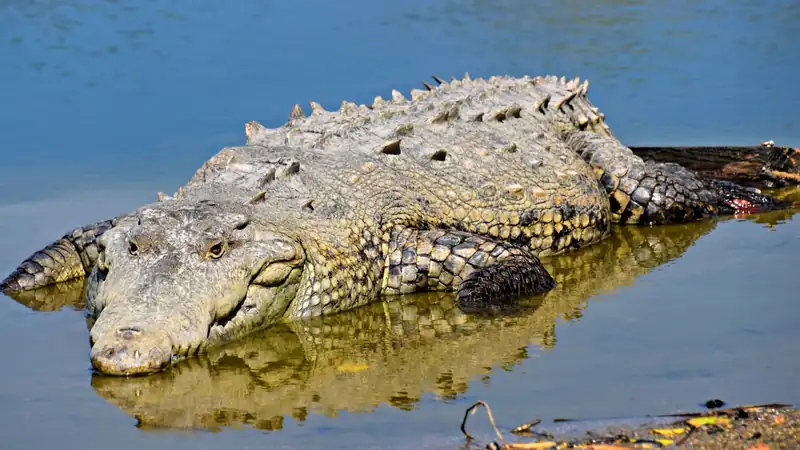
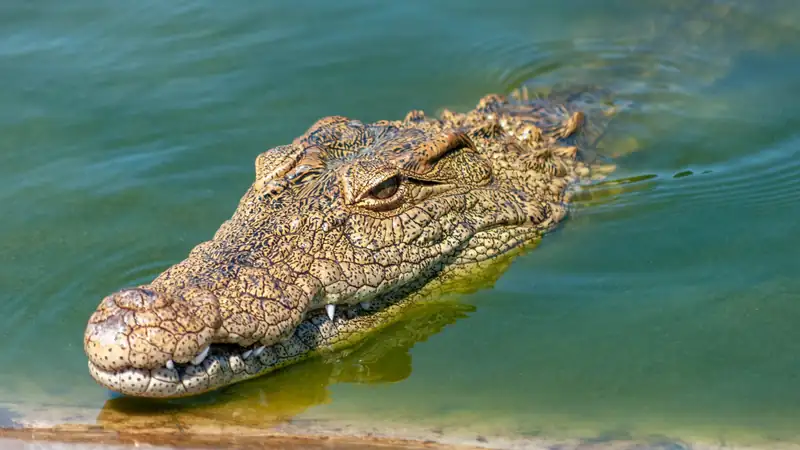
- Boat cruise to the base of the falls. A launch carries you upstream through hippo pods and crocodile banks to the foot of the falls. It is the activity most visitors remember.
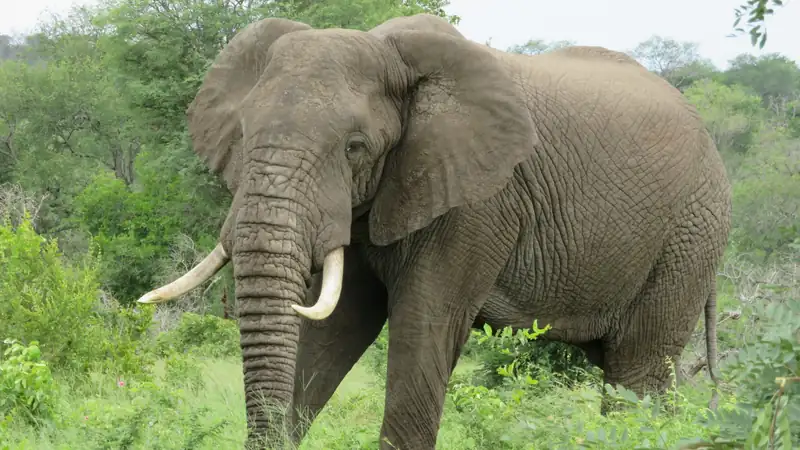
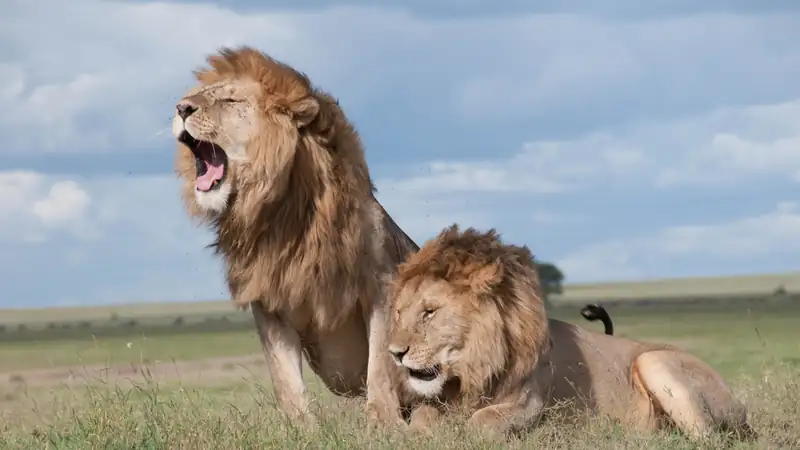
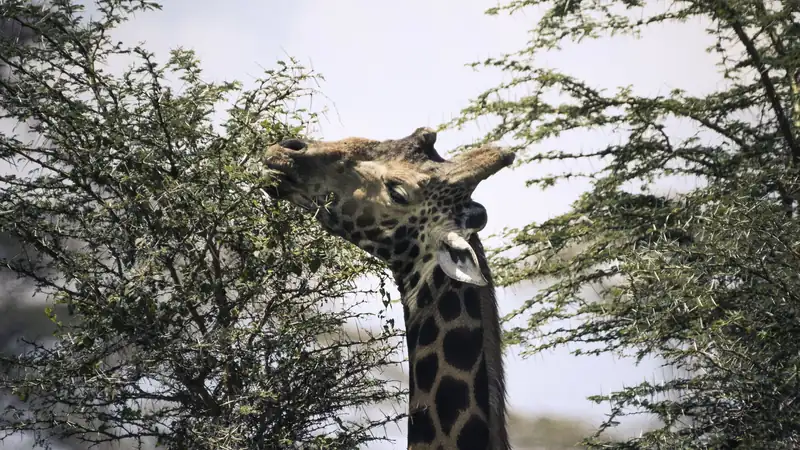
- Game drives on the northern bank. Open savannah with elephants, buffaloes, giraffes, Uganda kob and hartebeest. Lions are seen regularly, often resting under trees in the day.
- Top of the Falls. A short walk to the rim where the Nile is forced through the narrow gorge, with spray and rainbows in the sun.
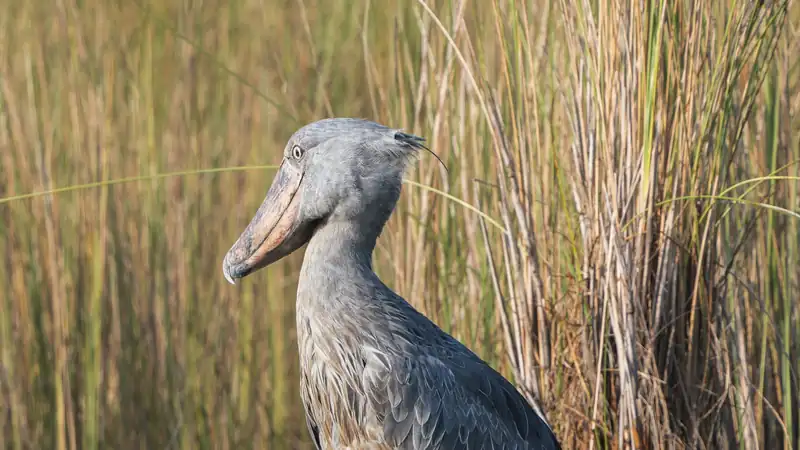
- Nile delta cruise. A morning boat trip where the river meets Lake Albert, known for the shoebill. Sightings are possible but never promised.
- Chimpanzee trekking. In the nearby Budongo forest, on a half-day outing from the park lodges.
- Walks and birding. More than 450 bird species have been recorded in the park.
The falls and the river
Sir Samuel Baker named the falls in 1864 after Sir Roderick Murchison of the Royal Geographical Society. The Victoria Nile reaches a cleft in the Rift Valley escarpment and forces its whole flow through a gap about seven metres wide. It then plunges into the Devil's Cauldron below. You can see the falls from the river on a cruise and from above on foot, and we advise doing both.
Wildlife you can expect
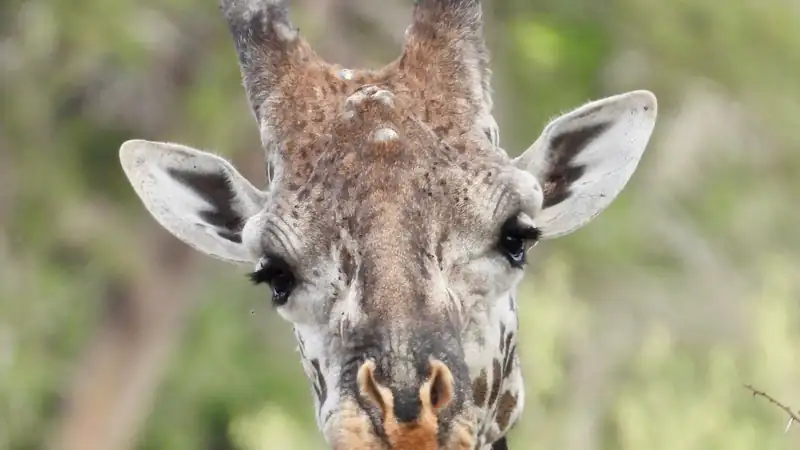
Murchison Falls was badly hit by poaching in the 1970s and 1980s. Protection since then has brought numbers back, and today the park is a good place to see elephants, buffaloes, Rothschild's giraffes, lions, hippos and crocodiles. Leopards live here but are seen less often. Rhinos do not live in the park, but you can track them on foot at Ziwa Rhino Sanctuary, which sits on the road from Kampala.
No guide can promise a particular animal on a particular day. What we do is time your game drives for early morning and late afternoon, when animals are most active.
Best time to visit
The drier months, roughly December to February and June to August, make game drives easier because the grass is shorter and animals gather near water. The wetter months, March to May and September to November, are greener, quieter and good for birding, though some tracks are slower after rain.
Getting there and moving around
The park is reached by road from Kampala or Entebbe through Masindi, and there is a ferry crossing at Paraa between the two banks. A short flight to a nearby airstrip saves time if you are tight on days. Your driver-guide handles the ferry and the park tracks.
Combining Murchison Falls with gorillas
The north and the south-west are far apart, so the two are best linked by a loop through Kibale and Queen Elizabeth. Our 6-day Queen Elizabeth and Murchison Falls safari covers the two savannah parks. The 10-day best of Uganda safari and the 16-day luxury safari add a gorilla trek.
Wildlife you may see
Frequently asked questions
How many days do I need at Murchison Falls?
Two nights lets you do a game drive, the boat cruise and the top of the falls without rushing. Add a night for the delta cruise or chimpanzees.
Can I see the Big Five here?
The park has elephants, buffaloes, lions and leopards. It has no rhinos, which is why many itineraries add Ziwa Rhino Sanctuary on the way.
Is it safe to boat on the Nile?
Yes. The launches are large, run by trained crews and keep to the park's set routes. Follow your guide's instructions at all times.
What should I wear?
Light, neutral clothes, a hat, sunscreen and a light waterproof for the boat. Bring binoculars if you have them.
Ready to trek? Ask for your quote.
Keep planning