
Wet-season guide
Gorilla trekking in rainy season: is it worth it and how to prepare
Gorilla trekking in rainy season is possible, rewarding and often quieter. Treks run in all weather, but trails turn muddy and slippery, so the right gear and a flexible plan matter. This guide covers the wet months, the gear and the real trade-offs.
Gorilla trekking in rainy season: what to expect
Gorilla trekking in rainy season is very possible, and many visitors prefer it. Treks go ahead in all weather. Rain makes trails muddy and slippery, but it also brings fewer visitors, lush forest and soft light.
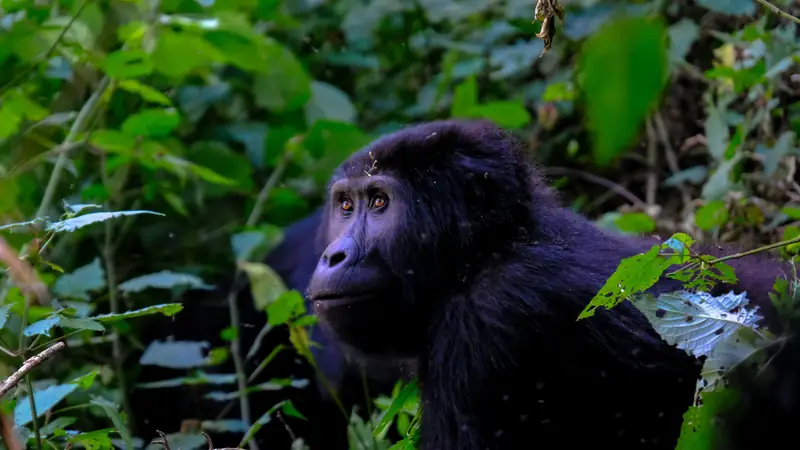
Gorillas live in rainforest, so they are used to rain. Rangers do not cancel treks for ordinary showers. Instead, they ask you to dress for wet ground, walk with care and allow extra time. For month-by-month planning, see our guide to the best time for gorilla trekking. This page focuses on the wet months themselves.
When are the wet months?
Uganda and Rwanda sit near the equator, so they have two rainy seasons each year. The pattern shifts a little from year to year, and rain can fall in any month in the mountains.
| Months | Season | What it means for trekking |
|---|---|---|
| March to May | Long rains | Wettest and quietest period |
| June to September | Main dry season | Firmer trails, more visitors |
| October to November | Short rains | Frequent showers, green forest |
| December to February | Short dry season | Drier, busy around holidays |
These ranges are guides, not guarantees. Mountain weather can change within an hour, even in a dry month. Pack a rain jacket at all times.
How rain changes the trail
Rain affects the ground more than it affects the gorillas, and that is the key point about gorilla trekking in rainy season. Trails turn into slick mud, roots become slippery and streams run higher. Steep sections take longer, because each step needs care.
Gorilla groups also move with the weather and the food. In wet weather, they may stay on slopes where food is plentiful, so the walk can be shorter or longer than usual. Nobody can predict it, and rangers adjust on the day. Trackers set out first and radio the position, so you always follow a fresh route.
Plan for slow going. A trek that takes three hours in the dry season may take four in the wet.
Benefits of trekking in the wet months
Gorilla trekking in rainy season has real advantages. These are the main ones.
- Fewer visitors. Lodges and trails are quieter, and you often get more choice.
- Greener scenery. The forest is lush, with waterfalls and mist on the ridges.
- Better birding. Migrant birds visit from October to April.
- Flexible planning. Permits for wet months are often easier to find.
- Cooler walking. Cloud cover keeps temperatures mild on steep climbs.
For these reasons, repeat visitors often pick March to May or October to November on purpose.
Not sure which dates suit you? Send them to us and a named member of our team will check.
Challenges of trekking in the rainy season
Be honest about the downsides of gorilla trekking in rainy season before you book. They are manageable, but they are real.
- Mud and slippery trails. Falls are the main risk, so good footwear matters.
- Longer walks. Each slope takes more time and care.
- Dim light. Cloud makes photography harder. See our gorilla photography tips.
- Cold and damp. Wet clothes chill you quickly at altitude.
- Road delays. Rain can slow transfers and close some tracks.
Good gear and a flexible plan solve most of these problems. Walk slowly, accept help from your porter and keep a sense of humour. Muddy boots are part of the story you tell afterwards.
Wet-weather gear for the gorilla forest
The right kit makes the walk comfortable. Our main packing list covers the basics. In the wet months, add these items.
- Waterproof boots. Choose ankle support and deep tread.
- Gaiters. They keep mud, water and ants out of your boots.
- A real rain jacket or poncho. Light and breathable beats heavy.
- Dry bags. Protect cameras, phones and passports.
- Spare socks and a spare top. Leave them in the car for the return.
- Gloves. They protect your hands from nettles and wet branches.
- A walking pole. It adds stability on slick ground.
Roads and transfers in wet weather
Many roads near the gorilla parks are narrow and winding, and some are unpaved. After heavy rain, they can turn slippery. Landslides sometimes slow traffic in the hills, though this is rare.
Road planning is a big part of gorilla trekking in rainy season. A four-wheel-drive vehicle with an experienced driver makes a large difference. Avoid driving at night. Add a buffer day before any international flight, so a delay never ruins your plans. If you fly to Kisoro or Kihihi, remember that small aircraft may be delayed by low cloud. Our Uganda safaris include road and air options.
Health and comfort in wet weather
Gorilla trekking in rainy season creates its own health points. Mosquitoes breed in damp conditions, so keep up malaria precautions and use repellent in the evenings. Cold, wet clothes can lead to chills, so change into dry layers after the trek.
Walk steadily, drink water and eat a snack. Tell your guide at once if you feel cold or dizzy. Our page on gorilla trekking safety explains the wider health rules.
Rain and the gorilla experience itself
Some visitors fear that gorilla trekking in rainy season will spoil the hour with the gorillas. In practice, the gorillas often keep feeding and resting as normal. Light rain barely changes their behaviour, and the mist adds atmosphere.
Heavy downpours are different. Gorillas may sit still under dense cover, and photography becomes harder. Still, many visitors say that the quiet, misty forest was the most memorable setting of their trip.
Choosing a sector in the wet months
Terrain changes how rain affects you on a wet-season trek. Gentler sectors such as Buhoma are easier when the ground is slick. Higher, steeper sectors such as Nkuringo are harder in the mud. If you are less steady on your feet, tell us so we can match you to a suitable group.
In Rwanda, Volcanoes National Park has volcanic soil that can drain well, though steep sections still get slippery. In every case, rangers choose the route on the day. Read our Uganda gorilla trekking guide and Rwanda gorilla trekking guide for sector details.
Not sure which dates suit you? Send them to us and a named member of our team will check.
The long rains from March to May
The long rains are the wettest period in both countries. April is often among the wettest months, and heavy showers can last for hours. Many lodges are quieter, and some smaller camps close for a short break.
Even so, gorilla trekking in rainy season during these months can be wonderful. Mornings are often clearer than afternoons, and showers tend to arrive later in the day. Plan treks for the morning, and keep the afternoons flexible. Check the park's rules at the Uganda Wildlife Authority and the Rwanda Development Board.
The short rains in October and November
The short rains are lighter than the long ones. Showers often come in the afternoon, and the forest looks fresh and green. These weeks also bring many migrant birds to Uganda, so birders enjoy them.
Because the rains are shorter, trails recover faster than in April. Plan the trek for the morning, and use the afternoon for lodge time or a short walk. If you want drier conditions, read our page on the best time to visit Uganda for gorilla trekking.
Common wet-season mistakes
Travellers often make the same errors in wet weather. Avoid these.
- Wearing cotton. It stays wet and cold. Choose quick-drying fabrics.
- Skipping gaiters. Mud and ants find their way into boots.
- Packing cameras loose. Water finds every gap.
- Booking tight flights. A rainy-day delay can cost you a connection.
- Expecting a dry hour. Showers can come and go during the visit.
Plan for rain, and it becomes part of the adventure.
Rainy season in Rwanda compared with Uganda
Both countries share a similar rainfall pattern, so the wet months are the same. The difference lies in the terrain. Volcanoes National Park has steep volcanic slopes, and the soil can drain well, although the upper trails still get slippery. Bwindi has dense forest on steep ridges, so mud collects in valleys.
Rwanda's shorter drives from Kigali reduce road risk in heavy rain. Uganda offers more sectors, so you can choose a gentler one. Compare both in our Volcanoes National Park guide and Bwindi guide.
Pair wet-season treks with other activities
The wet months suit a relaxed route with several highlights. Kibale offers chimpanzee trekking in green forest, and Queen Elizabeth offers boat cruises that work well in showers. Birdwatching often improves when migrants arrive.
Our chimpanzee trekking guide and Uganda national parks guide show how to build a route. Keep the schedule loose, so a heavy rain day becomes a rest day instead of a problem.
When rangers change or stop a trek
Rangers decide on the day. They rarely cancel for rain alone, but they may change the route if a trail is unsafe or a river is too high. If conditions are dangerous, they may delay the start.
Safety comes first for visitors and gorillas. Accept the decision calmly, and trust the rangers' local knowledge. We also keep in touch with the park before your trek. Read more about the rules in our guide to gorilla trekking rules and etiquette.
Not sure which dates suit you? Send them to us and a named member of our team will check.
Plan gorilla trekking in rainy season with us
We are a licensed Ugandan operator. We plan wet-season treks around lodges close to the trailhead, reliable vehicles and flexible timing.
- Tell us your month. Send your dates or message us on WhatsApp.
- We suggest the sector and lodge. Our team picks options that cope well with rain.
- You receive one clear quote. It lists every inclusion.
Our trek planning guide covers the rest.
Frequently asked questions
Can you go gorilla trekking in the rainy season?
Yes. Treks run in every month, and rangers do not cancel for ordinary rain.
What are the rainy months for gorilla trekking?
March to May are the wettest months, and October to November bring shorter rains. Showers can fall at any time in the mountains.
Is it worth trekking gorillas in the wet season?
Yes. You get fewer visitors, greener scenery and often easier permit choices, in exchange for muddier trails.
What should I wear for gorilla trekking in the rain?
Waterproof boots, gaiters, a rain jacket or poncho, long trousers and gloves. Keep spare dry clothes for the return.
Do gorillas hide when it rains?
They stay in the forest and often keep feeding. In heavy rain, they may sit in thick cover.
Are roads safe in the rainy season?
With a four-wheel-drive vehicle and an experienced driver, yes. Add buffer time and avoid night driving.
Is photography harder in the rain?
Yes. Light is lower, so raise your ISO and use a fast lens. Protect your camera from water.
Will rain change my permit?
No. Permits stay valid for the booked date, and treks go ahead unless conditions are unsafe.
Ready to trek? Ask for your quote.
Keep planning