
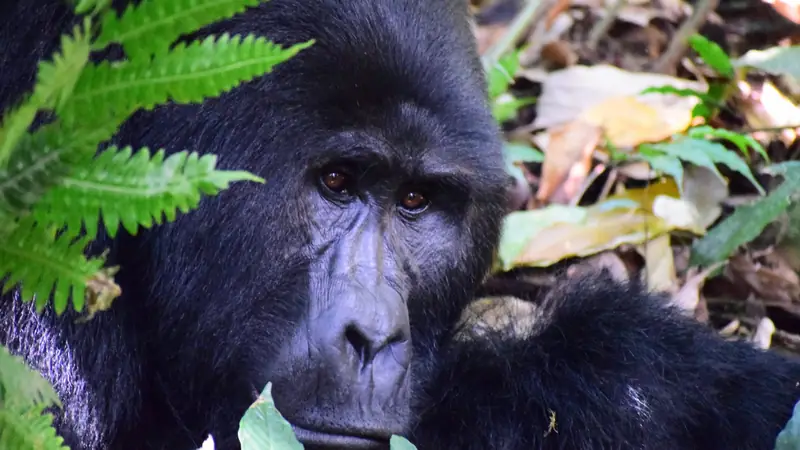
Bwindi sector
Ruhija gorilla trekking: the high, misty side of Bwindi
Ruhija gorilla trekking happens in the high eastern sector of Bwindi, where mossy forest, cool air and strong birding set it apart. This guide explains the terrain, the difficulty, the road from Kabale and the lodges, so you can decide if it suits you.
Ruhija gorilla trekking: the quick answer
Ruhija gorilla trekking takes place in the high eastern sector of Bwindi Impenetrable National Park. The sector sits higher and cooler than the others, and its mossy forest and swamp trails make it a favourite with birders. It suits travellers who enjoy a real forest feel and do not mind a winding road to get there.
Your permit names the sector, so choose with care. This guide explains the terrain, the access, the birds and the lodges. For the comparison of every sector, see our Bwindi trekking overview.
A high, misty corner of the forest
Ruhija lies on the eastern edge of the park, where the land rises towards the highest parts of the forest. The park as a whole climbs from about 1,160 to 2,607 metres, according to the Uganda Wildlife Authority, and Ruhija sits in the upper part of that range. Mornings are cool, mist is common and mossy trunks glow green.
The setting feels more remote than other sectors. Lodges sit on ridges with long views over forested valleys, and the air carries the calls of forest birds at dawn. Visitors who like quiet, cold mornings and wild scenery often rank Ruhija gorilla trekking above all other options.
For birders and keen walkers, Ruhija gorilla trekking is often the most rewarding sector.
Trails and terrain on the eastern ridge
Trails here climb ridges and drop into damp valleys. Some stretches follow narrow paths through bamboo and tree ferns, and others cross streams and swampy ground. Because the forest is dense, trackers choose the route based on where the family slept.
Expect mud, roots and slippery slopes. Rain is common at this altitude, so waterproof boots and a good jacket matter. Most treks fall between moderate and hard. A steady pace and a willingness to stop often will get most travellers through.
Porters are available here as in every sector. If a climb looks steep, a porter and a walking stick make a big difference.
How hard is the climb?
Ruhija is often rated moderate to hard. The altitude is not extreme, but the hills are long, and the cool, wet air slows the pace.
- Typical effort. Two to five hours of walking, with several climbs.
- Weather effect. Rain and mist make steep sections slippery.
- Easier options. Tell us if you prefer a gentler walk, and we ask the rangers about a closer family.
Honest self-assessment helps. If you walk regularly and enjoy hills, the sector is a good fit. If you struggle with stairs, a southern or northern sector may suit you better. Our difficulty guide explains how to prepare.
Not sure which dates suit you? Send them to us and a named member of our team will check.
Birding in the Albertine Rift forest
Birders consider Ruhija one of the best places in Uganda to see forest specialists. UNESCO records at least 70 of the 78 bird species restricted to the Albertine Rift montane forests in Bwindi, and many are easier to find at higher altitudes.
A short walk to the Mubwindi Swamp is a popular rest-day activity. Local guides know the calls and the best perches. Species such as the African green broadbill are a highlight for many visitors, though sightings depend on luck and season.
If birds matter to you, plan a rest day at Ruhija gorilla trekking lodges. Bring binoculars and a field guide, and ask us to arrange an expert local guide.
Getting to Ruhija from Kabale and beyond
The sector lies off the main road network, so the journey takes time.
- From Kabale. A winding road climbs to Ruhija in roughly two hours or a little more, depending on the weather.
- From Entebbe or Kampala. Driving takes most of a day, so many travellers overnight in Mbarara or Kabale.
- By air. Short flights serve Kihihi and Kisoro, but the transfer from either airstrip is still long.
- From Kigali. The road crosses the border and winds through the hills. It takes most of a day.
Times are approximate and change after rain. For a faster route, consider a southern sector. See our 2-day Bwindi trekking safari for a short example.
Ruhija and Lake Bunyonyi
Lake Bunyonyi lies near Kabale, and many travellers pair the lake with the forest. The lake has quiet shores, small islands and canoe trips. It makes a gentle rest after a hard trek, and it breaks up the road journey.
A common plan is to sleep one night by the lake, drive to Ruhija for the trek, then return to the water. The lake scenery contrasts nicely with the dark forest. Ask us to include a lake stay in your Ruhija gorilla trekking plan.
Who should choose Ruhija
Ruhija gorilla trekking suits travellers who enjoy the following.
- Birding. The altitude favours rare Albertine Rift species.
- Wild scenery. The mist and moss create a classic rainforest feel.
- Fitness. Hills are a pleasure for regular walkers.
- Quiet places. The sector feels more secluded than the busiest trailheads.
It suits others less well. Travellers who want the quickest road journey, or who need a very gentle walk, may prefer another sector.
Lodges and camps by style
Accommodation near the eastern trailhead is more limited than in the north or south, so plan early. Choices fall into broad styles.
- Simple camps. Tents or cabins with basic comforts.
- Mid-range lodges. Warm rooms, hot water and fireplaces for cool evenings.
- Premium lodges. Larger rooms and spectacular valley views.
Warm bedding matters, because nights get cold. We match your lodge to your permit and share the options that fit your style.
What to wear in cool, wet mornings
Ruhija is cooler than most trekking areas. Dress in layers that you can remove as you warm up on the climb.
A thin base layer, a fleece, a waterproof jacket and long trousers work well. Add gloves for nettles and a warm hat for early starts. Waterproof boots with strong grip are essential. Our packing guide lists everything.
Not sure which dates suit you? Send them to us and a named member of our team will check.
Gorilla groups in the eastern sector
Ruhija has several habituated gorilla groups, and each one has its own character. Rangers decide the group for each visitor on the morning of the trek, using fitness, tracker reports and the size of your party. Some groups live near the trailhead, while others range further into the forest.
Groups split and form over the years, so we describe them in general terms. For your dates, we confirm what the park tells us. Our gorilla families guide explains how groups are named and why they change.
Weather, mist and trail conditions
Altitude makes the weather here unpredictable. A bright morning can turn misty within an hour, and showers can arrive without warning. Trails that look dry at breakfast may be slick by noon.
Plan for every kind of weather. Keep a rain jacket in your daypack and wear layers. Keep your camera in a sealed bag. The drier months, June to September and December to February, give firmer ground. Even then, the forest stays damp, so pack for mud. Our best time guide explains the seasons in detail.
Other wildlife on the ridge
Gorillas share the high forest with other animals. Blue monkeys, L'Hoest's monkeys and chimpanzees live in Bwindi, and rangers sometimes point out their signs on the trail. Duikers move quietly through the undergrowth, and butterflies gather along sunny paths.
Trees here include tall hardwoods draped in moss and ferns. Guides can explain which plants gorillas eat and which medicinal plants local people use. These small stories add to a Ruhija gorilla trekking day.
Community and conservation in the east
Park fees support rangers, trackers and vets who protect the gorillas. A share also reaches communities beside the forest. Villages near the eastern edge have benefited from schools and small tourism businesses.
You can help by hiring local porters, buying crafts from community groups and choosing lodges that employ local people. Follow the rules in our etiquette guide too, since they protect the gorillas from illness and stress.
Safety on steep, slippery trails
Treks are safe when you follow your guide. Rangers carry radios and keep the group together. The main risks are slips, stinging plants and tiredness, particularly on long climbs.
Walk slowly, use a stick and tell your guide at once if you feel unwell. People with colds are asked to stay away because gorillas catch human illness easily. Travel insurance with evacuation cover is wise.
Rest-day ideas on the ridge
A spare day is worth having after a hard climb. Local guides lead short walks to viewpoints, swamp edges and villages. Birders can look for forest specialists at dawn, when the canopy is most active.
Some lodges offer fireside talks, cooking lessons and visits to nearby schools. Others simply provide a warm room and a good book. Whichever you pick, the quiet of the high forest makes recovery easy and pleasant.
Not sure which dates suit you? Send them to us and a named member of our team will check.
Is Ruhija right for you?
Ask yourself three questions. First, do you enjoy cool, misty hills? Second, can you walk steadily for several hours? Third, do you value a remote setting over a short road journey? If you answered yes to all three, Ruhija gorilla trekking is likely a good match.
If not, do not worry. Bwindi has three other sectors, and each one has its own strengths. Tell us what matters most, and we suggest the best fit for your dates and your group.
A sample plan for the eastern sector
Here is a simple route that links the lake, the forest and the road onward.
| Day | Plan |
|---|---|
| Day 1 | Drive to Kabale or Lake Bunyonyi and rest |
| Day 2 | Transfer to Ruhija for your trek and hour with the gorillas |
| Day 3 | Birding walk, then continue to your next stop |
We adjust the pace of your Ruhija gorilla trekking plan to your fitness and your wish list. Add a night if you want an unhurried start.
How Ruhija compares with the other three sectors
The table below shows where the eastern sector sits.
| Sector | Where | Walking | Character |
|---|---|---|---|
| Buhoma | North | Moderate | Well-established and easy to reach from the west |
| Ruhija | East | Moderate to hard | High, cool and rich in birds |
| Rushaga | South | Easy to hard | The widest choice of groups |
| Nkuringo | South-west | Hard | Steep valleys with volcano views |
Ruhija gorilla trekking rewards patient, fit visitors. Others may enjoy a different sector more.
Combining Ruhija with other places
Lake Bunyonyi and Kabale are the natural neighbours. From there, you can continue to Mgahinga for golden monkeys, or turn north for Queen Elizabeth and its game drives. Our 8-day Mburo, Mgahinga and Bwindi tour shows one such loop.
For the wider country, read our Uganda national parks guide.
Book your Ruhija trek with a licensed team
We are a licensed Ugandan operator. One named member of our team plans your trek, books your permit and matches your lodge to the trailhead.
- Send your dates. Share your dates and group size or message us on WhatsApp.
- We check with the park. Our office replies, normally within 24 hours.
- Receive one clear quote. It lists everything included.
Read our permit booking guide to understand each step.
Frequently asked questions
Is Ruhija good for gorilla trekking?
Yes. Ruhija offers a high, misty forest and strong birding. It suits fit travellers and birders who enjoy a real rainforest atmosphere.
Where is Ruhija?
Ruhija is the eastern sector of Bwindi Impenetrable National Park, reached by road from Kabale.
How hard is Ruhija?
Most travellers rate it moderate to hard, because of its ridges and cool, wet weather. Gorillas move, so the walk on the day can vary.
How do I get to Ruhija?
Drive from Kabale, which takes roughly two hours or more on winding roads. Driving from Entebbe or Kampala takes most of a day.
Is Ruhija good for birdwatching?
Yes. The altitude favours Albertine Rift species, and the Mubwindi Swamp walk is popular with birders.
Is Ruhija colder than other sectors?
Yes. The sector sits higher, so mornings and nights are cooler. Pack warm layers and a rain jacket.
Can I combine Ruhija with Lake Bunyonyi?
Yes. Many travellers sleep by the lake before or after their trek.
What is the minimum age to trek at Ruhija?
The minimum age is 15 in all of Uganda. Rangers can check passports.
Ready to trek? Ask for your quote.
Keep planning