Masai Mara National Reserve: Africa’s Iconic Safari Destination
Masai Mara National Reserve– Located in southwestern Kenya along the border with Tanzania, the reserve forms the northern extension of the vast Serengeti ecosystem, creating one of the largest and most important wildlife habitats on Earth. Covering approximately 1,510 square kilometers (583 square miles), the Masai Mara is famous for hosting the spectacular Great Migration, where millions of wildebeest, zebras, and gazelles traverse its plains in search of fresh grazing.
Beyond the migration, the Masai Mara offers visitors year-round opportunities to witness Africa’s legendary Big Five: lion, leopard, elephant, buffalo, and rhinoceros, alongside hundreds of bird species and countless other mammals. The reserve combines dramatic scenery with rich cultural heritage, making it one of the most sought-after safari destinations globally.
Historical Background of the Masai Mara National Reserve
The history of the Masai Mara is deeply intertwined with the Maasai people, one of East Africa’s most recognizable indigenous communities. The name “Masai Mara” derives from the Maasai tribe and the Mara River, with “Mara” meaning “spotted” in the Maa language, describing the landscape dotted with acacia trees, shrubs, and wildlife.
For centuries before European colonization, the Maasai inhabited these grasslands as pastoralists, relying on cattle herding while coexisting with wildlife. Their traditional lifestyle emphasized harmony with nature, allowing ecosystems to flourish with minimal disruption.
The area was officially established as a wildlife sanctuary in 1961, covering only about 520 square kilometers. As recognition of its ecological significance grew, the protected area expanded several times. By 1974, it had achieved national reserve status and was enlarged to its current size. Management responsibilities were later transferred to local county authorities, reflecting Kenya’s commitment to community-based conservation.
Over the decades, the reserve has become one of Africa’s most successful conservation models, balancing wildlife protection with tourism and local community participation. Today, neighboring conservancies owned by Maasai landowners further strengthen habitat preservation while generating sustainable income for local families.
Geographic Location and Landscape
The Masai Mara National Reserve lies in Narok County in southwestern Kenya, approximately 270 kilometers (168 miles) from Nairobi. It shares an unfenced border with Tanzania’s Serengeti National Park, together forming the greater Serengeti-Mara ecosystem.
The reserve sits at elevations ranging between 1,500 and 2,180 meters above sea level, creating a climate that is generally mild despite its equatorial location. Rolling grasslands dominate the landscape, interspersed with riverine forests, seasonal streams, rocky outcrops known as kopjes, and iconic acacia woodlands.
Several rivers traverse the reserve, with the Mara River serving as its most famous waterway. This river becomes the dramatic stage for the Great Migration’s perilous crossings, where thousands of wildebeest and zebras face strong currents and waiting crocodiles.
Climate and Best Time to Visit
The Masai Mara experiences two rainy seasons and two relatively dry seasons each year. The long rains typically occur from March through May, while shorter rains arrive between October and November. Temperatures remain pleasant throughout the year, generally ranging between 12°C and 30°C.
The most popular time to visit is between July and October, when the Great Migration reaches the reserve. During this period, visitors can witness one of the greatest natural spectacles on Earth as massive herds cross from Tanzania into Kenya.
However, the reserve remains an outstanding safari destination year-round. During the dry months, wildlife congregates around water sources, making animal sightings easier. The green season offers lush scenery, fewer tourists, excellent birdwatching opportunities, and attractive accommodation rates.
The Great Migration: Nature’s Greatest Wildlife Spectacle
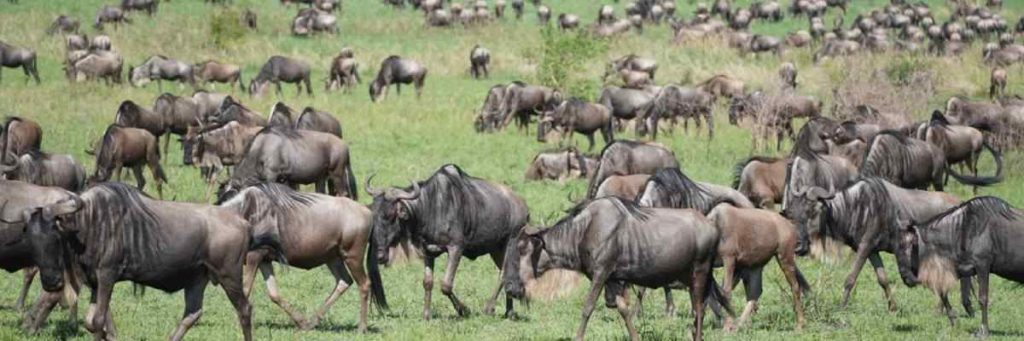
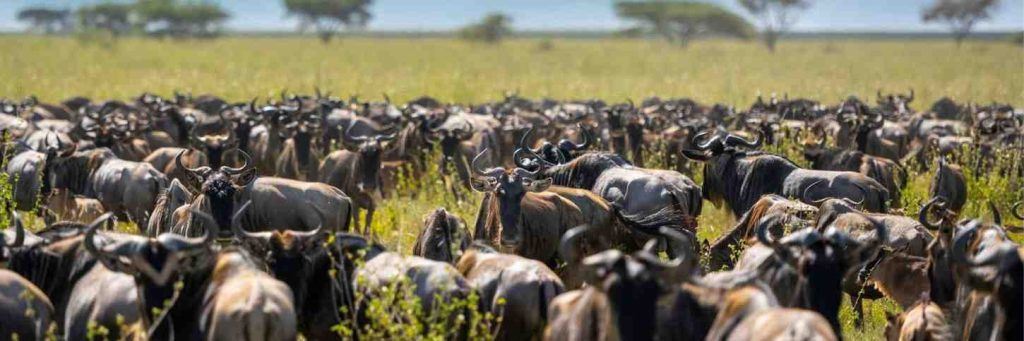
The Great Migration is widely regarded as one of the Seven Natural Wonders of Africa and one of the most extraordinary wildlife events on the planet. Each year, approximately 1.5 million wildebeest, accompanied by hundreds of thousands of zebras and Thomson’s gazelles, follow ancient migratory routes across the Serengeti-Mara ecosystem.
Driven by seasonal rainfall and fresh grazing opportunities, the animals move northward into the Masai Mara between July and October before returning south as conditions change. The crossing of the Mara River represents the migration’s most dramatic moment, with predators and crocodiles waiting to capitalize on vulnerable animals.
This continuous cycle sustains predator populations and maintains the ecological balance of the region, making it one of the world’s most remarkable examples of natural ecosystem dynamics.
Wildlife Diversity in the Masai Mara
The Masai Mara hosts an extraordinary concentration of wildlife that rivals any safari destination globally. More than 95 species of mammals and over 570 recorded bird species inhabit the reserve.
The Big Five
The reserve is famous for providing excellent opportunities to observe:
- African lions
- African elephants
- Leopards
- Cape buffaloes
- Black rhinoceroses
Lion populations in particular thrive within the reserve, making it one of Africa’s premier destinations for observing prides in their natural habitat.
Predators
In addition to lions and leopards, visitors frequently encounter:
- Cheetahs
- Spotted hyenas
- Black-backed jackals
- Bat-eared foxes
- Serval cats
- Caracals
The open grasslands make predator sightings particularly rewarding compared to denser ecosystems elsewhere in Africa.
Herbivores
The reserve supports large populations of:
- Wildebeest
- Plains zebras
- Masai giraffes
- Topis
- Elands
- Impalas
- Thomson’s gazelles
- Grant’s gazelles
- Waterbucks
- Warthogs
- Hippopotamuses
These abundant herbivores form the foundation of the reserve’s thriving predator-prey relationships.
Birdlife and Avian Diversity
Bird enthusiasts consider the Masai Mara one of East Africa’s finest birdwatching destinations. More than 570 species have been recorded, including both resident and migratory birds.
Notable species include:
- Secretary birds
- Martial eagles
- African fish eagles
- Lilac-breasted rollers
- Crowned cranes
- Ostriches
- Kori bustards
- Vultures
- Hornbills
- Kingfishers
Seasonal migrations bring additional species from Europe and Asia, enriching the reserve’s already impressive avifauna.
The Maasai People and Cultural Heritage
The Maasai community remains central to the identity of the Masai Mara. Known for their distinctive red clothing, intricate beadwork, traditional dances, and cattle-based economy, the Maasai have preserved much of their cultural heritage despite modernization.
Many visitors participate in guided cultural visits to nearby villages, where they learn about traditional housing, ceremonies, livestock management, and community life. Revenue generated through tourism supports education, healthcare, and conservation initiatives within Maasai communities.
Community conservancies surrounding the reserve have become pioneering examples of sustainable tourism, enabling landowners to benefit economically while protecting wildlife habitats.
Flora and Vegetation
The Masai Mara’s vegetation primarily consists of expansive savannah grasslands punctuated by scattered acacia trees and shrubs. Riverine forests containing fig trees, crotons, and other indigenous species line waterways, providing shelter for primates and birds.
Seasonal grasses support enormous grazing herds, while diverse plant communities contribute to the reserve’s ecological resilience. The open landscape also creates ideal conditions for wildlife viewing, allowing visitors to observe animals across vast distances.
Conservation Efforts
Conservation remains a cornerstone of the Masai Mara’s success. Wildlife authorities, local communities, researchers, and conservation organizations collaborate to address challenges including poaching, habitat fragmentation, climate change, and human-wildlife conflict.
Anti-poaching patrols, ecological monitoring, habitat restoration, and community engagement programs have contributed significantly to protecting endangered species and maintaining biodiversity. Neighboring conservancies further expand protected habitat while promoting responsible tourism and sustainable livelihoods.
Safari Experiences and Tourist Activities
Visitors to the Masai Mara can enjoy a wide variety of unforgettable experiences.
Game drives remain the most popular activity, offering opportunities to observe wildlife during early morning and evening hours when animals are most active. Professional guides provide expert interpretation of animal behavior and ecology.
Hot air balloon safaris deliver spectacular aerial views of the endless plains, often concluding with champagne breakfasts in the bush.
Walking safaris in designated conservancies allow guests to appreciate smaller wildlife, plants, and tracking techniques under the guidance of experienced rangers.
Photography safaris attract professionals and enthusiasts seeking dramatic wildlife images, while cultural visits provide meaningful interactions with Maasai communities.
Birdwatching, night drives in private conservancies, bush dining experiences, and conservation-focused tours further enrich the visitor experience.
Accommodation Options
The Masai Mara offers accommodations suitable for every type of traveler, from luxury safari lodges to intimate tented camps and budget-friendly facilities.
Luxury camps feature private plunge pools, gourmet dining, spa services, and exclusive wildlife experiences. Mid-range lodges combine comfort with affordability, while eco-friendly camps emphasize sustainability and close connections to nature.
Many accommodations are strategically located near wildlife corridors or river crossings, maximizing opportunities for exceptional game viewing.
Accessibility and Transportation
Most visitors reach the Masai Mara either by road or by air. The drive from Nairobi typically takes five to six hours, passing through Kenya’s scenic Rift Valley landscapes.
Domestic flights from Nairobi’s Wilson Airport operate daily to several airstrips within the reserve, reducing travel time to approximately one hour and providing breathtaking aerial views of the countryside.
Safari operators also offer customized itineraries that combine the Masai Mara with other iconic Kenyan destinations such as Amboseli, Lake Nakuru, and Samburu.
Economic Importance of Tourism
Tourism generated by the Masai Mara contributes significantly to Kenya’s economy. The reserve attracts hundreds of thousands of international visitors annually, supporting employment in hospitality, guiding, transportation, conservation, and local crafts.
Revenue from tourism also funds infrastructure development, wildlife management, education, and community projects that benefit surrounding populations while incentivizing habitat protection.
Challenges Facing the Masai Mara
Despite its global success, the reserve faces ongoing environmental pressures. Climate variability affects rainfall patterns and grazing availability, while expanding human settlements increases pressure on wildlife corridors.
Habitat fragmentation outside protected areas, illegal poaching, invasive species, and the balance between tourism growth and ecological sustainability remain persistent concerns. Collaborative conservation initiatives involving local communities continue to play a crucial role in addressing these challenges.
Why the Masai Mara Remains One of the World’s Greatest Safari Destinations
Few places on Earth combine such extraordinary wildlife abundance, dramatic landscapes, and rich cultural heritage as the Masai Mara National Reserve. Its role in hosting the Great Migration, protecting iconic African species, and preserving Maasai traditions has earned it international recognition as one of the planet’s premier conservation areas.
Whether witnessing thousands of wildebeest crossing the Mara River, watching lions stalk prey across golden grasslands, soaring above the savannah in a hot air balloon, or engaging with Maasai culture, every visit offers an unforgettable connection to Africa’s natural wonders.
For wildlife enthusiasts, photographers, researchers, and adventure travelers alike, the Masai Mara represents the very essence of the African safari experience. In this timeless landscape, nature continues to unfold on a truly epic scale.