Top Safari Destinations in Tanzania

Explore Serengeti, Ngorongoro Crater, and Tanzania’s unforgettable safari adventures.

Tanzania

Year Round

Serengeti National Park

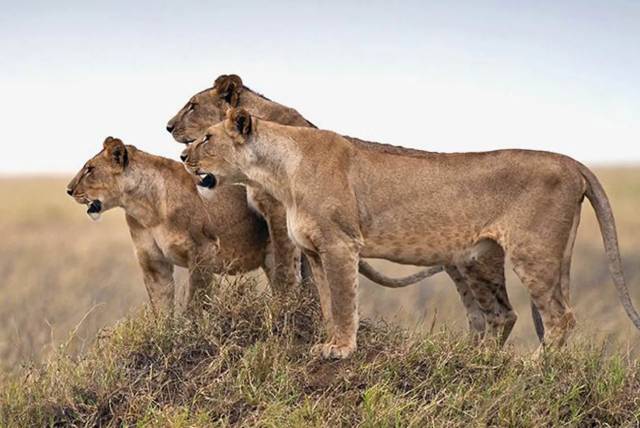
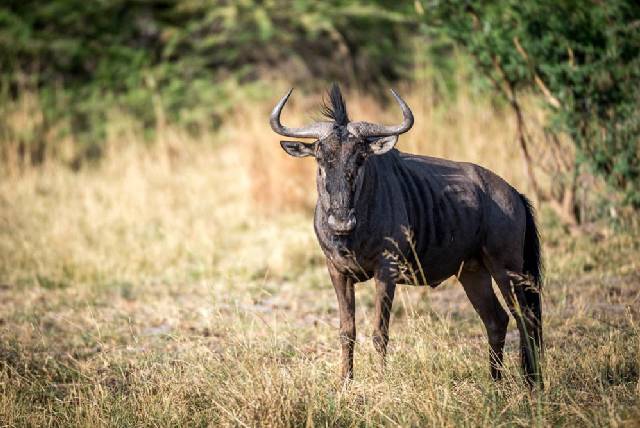
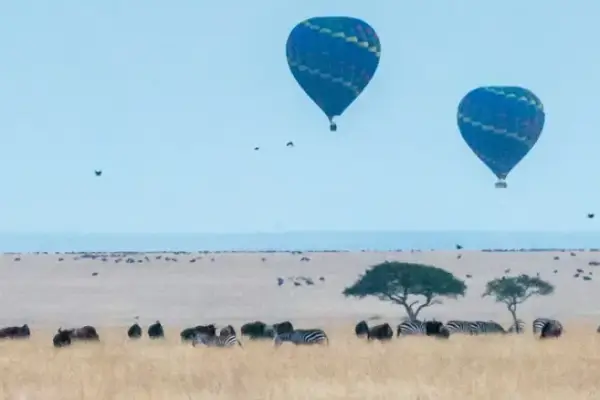
The Serengeti is the ultimate destination for safari enthusiasts in Tanzania. It is renowned for providing the most dramatic game-viewing experience. The Serengeti is also renowned for hosting the largest population of wildebeests during their annual migration, which takes place between January and September. Its vast expanse, ease of access, year-round wildlife sightings, and high-end lodges and camps make this location one of the most desirable safari destinations in Africa. It is also a popular stop on the best Tanzania safari tours.

Serengeti National Park
5 Day Serengeti & Ngorongoro Safari

Ngorongoro Crater

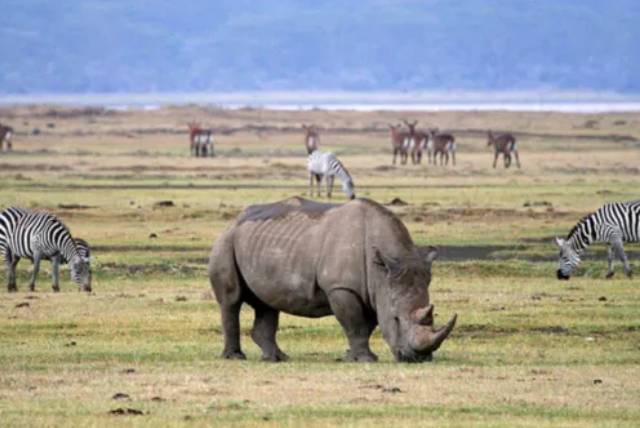
Take around 30,000 animals and place them inside the crater of an extinct volcano. Create wetlands, forest, grasslands and some out-of-this-world cliff-top accommodation, and the result is the breathtaking Ngorongoro Crater. This magnificent Tanzania safari destination offers excellent game viewing in an unbelievably unique setting. In East Africa, it is known to offer the simplest and most dependable Big 5 sightings, and it is widely considered to provide the finest safari experience in Tanzania.

Lake Manyara National Park

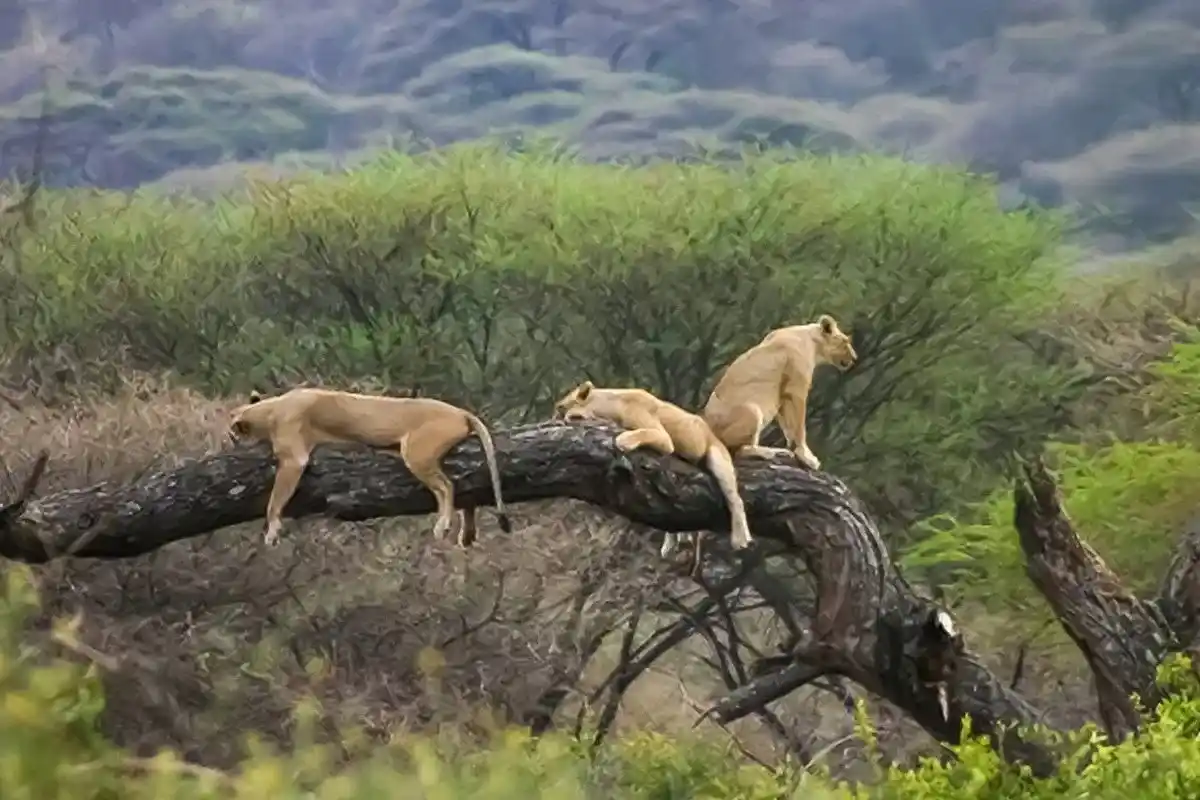
Lake Manyara, which is located in Tanzania’s famous Northern Safari Circuit, provides an ideal setting for observing wildlife. The park is home to a wide variety of animals, including large species such as buffalo, hippopotamus, giraffe, elephant, and leopard, as well as its well-known tree-climbing lions. Additionally, Lake Manyara is a great place for bird-watchers, with plenty of pelicans and flamingos to observe in the middle of the lake, as well as a plethora of life in the floodplains, woodlands, and evergreen forests.

manyara_tree_lions_tanzania

Mount Kilimanjaro

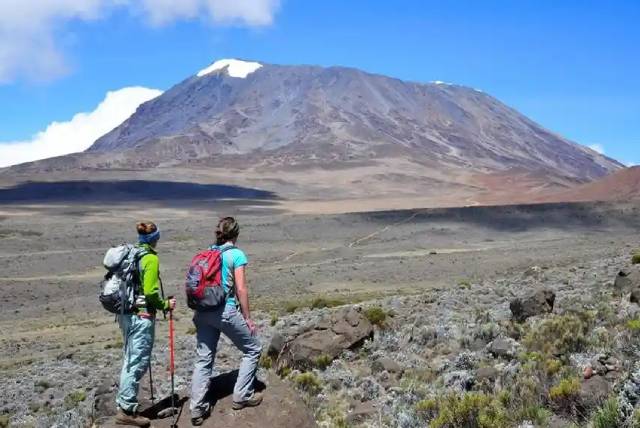
Mount Kilimanjaro is Africa’s highest mountain and the tallest free-standing mountain on Earth. It stands at 5,895 meters (19,340 feet) and offers a thrilling experience whether you choose to stand in its mighty shadow or climb to its icy summit. The good news is that the snow-capped peaks are more accessible than you might think. If you’re considering climbing Kilimanjaro during the dry season, which falls between July and October or January and March, it’s important to note that you won’t need any technical climbing skills. However, it’s essential to plan your logistics carefully to ensure a successful hike to the summit.

Ruaha National Park

The largest national park in Tanzania is Ruaha National Park, which is a perfect destination for safari lovers who wish to observe wildlife in its natural habitat without encountering too many other tourists. The park is home to a diverse range of animals, including buffalos, giraffes, kudus, sables, roans, lions, cheetahs, and leopards. It also boasts Tanzania’s largest elephant population and is a sanctuary for rare African wild dogs. What makes Ruaha unique from other safari destinations is its untamed and rough nature.

Tarangire National Park

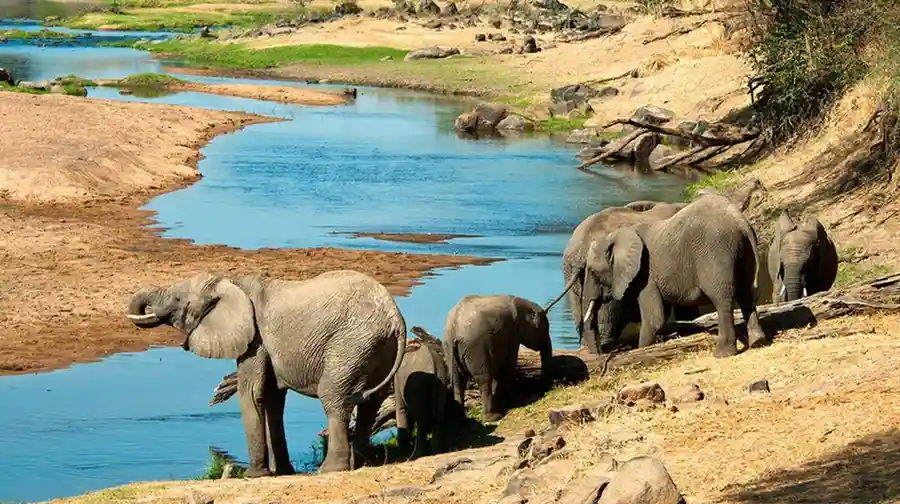
Tarangire is a stunning wilderness located near Lake Manyara and the Ngorongoro Crater. It is worth more than just a day visit because, during the dry season (June to October), there are high concentrations of animals, especially elephants, along the Tarangire River. With over 500 bird species, the park is a popular destination for avid birdwatchers. The presence of large predators also adds to the park’s attraction. Tarangire’s diverse landscape includes riverine forests, huge swamps, and open woodlands with iconic baobab trees, making it a must-visit location.

FAQS: Frequently Asked Questions About Tanzania Safaris ?

What is the best time for a tanzania safaris?

Late June to October is the perfect time to go on a safari in Tanzania because these months fall during the dry season. Tanzania experiences two rainy periods: the 'long rains' from April to May and the 'short rains' from November to December.

How many days is enough for a Tanzania safari?

The recommended duration for a safari in Tanzania depends on the parks you wish to visit and your schedule. If you plan to visit the top parks such as Serengeti, Ngororongoro, and Tarangire, it is recommended to allocate 6 to 8 days. For a more relaxed itinerary covering the same top parks, it is suggested to plan for 9 to 11 days. However, if you are looking for a once-in-a-lifetime experience with maximum wildlife spotting potential, it is recommended to plan for 15 or more days.

What is the average cost of a safari in Tanzania?

Tanzania is considered to be a relatively expensive safari destination in Africa. The cost of a budget safari can be as low as $250 per person per day, while a luxury safari can cost over $1,000 per person per day. For those looking for a middle ground, a mid-range Tanzania safari typically costs between $300 to $500 per person per day.
Scroll to Top