Introduction

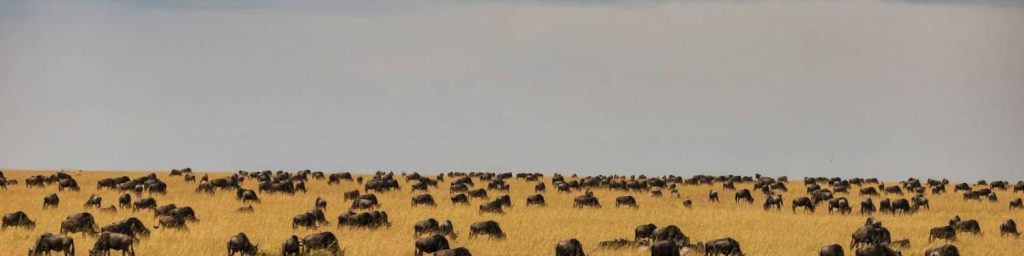
The Great Migration is widely regarded as the largest and most remarkable terrestrial wildlife movement on Earth. Every year, more than 1.5 million wildebeest, accompanied by hundreds of thousands of zebras, gazelles, elands, and other herbivores, undertake a continuous circular journey across the vast plains of northern Tanzania and southwestern Kenya. Rather than following a predetermined route or timetable, these animals move in response to seasonal rainfall, fresh grazing opportunities, and the availability of water, creating one of nature’s most dynamic and complex ecological processes.
Unlike migrations driven by breeding or temperature alone, the Great Migration is fundamentally a survival strategy. The movement allows herbivores to exploit newly grown grasses rich in nutrients while avoiding areas where food has been depleted during the dry season. This annual cycle sustains not only the migrating herds themselves but also an extraordinary network of predators, scavengers, insects, birds, and plant communities that depend on the constant redistribution of nutrients across the ecosystem.
Spanning approximately 30,000 square kilometers across the Serengeti-Mara ecosystem, the migration has evolved over thousands of years into a finely balanced natural system. The timing of rainfall, volcanic soils, river networks, predator populations, and grassland ecology all interact to create conditions that make this continuous movement possible. The spectacle of thousands of animals crossing crocodile-infested rivers or giving birth simultaneously on the southern plains has captured global attention and made the migration one of Africa’s greatest natural treasures.
Beyond its visual grandeur, the Great Migration serves as a living demonstration of ecological resilience and interdependence. Scientists consider it one of the few remaining examples of an intact large-mammal migration, offering invaluable insights into ecosystem function, climate adaptation, and biodiversity conservation. At the same time, it supports millions of dollars in tourism revenue and provides livelihoods for local communities while emphasizing the importance of preserving connected landscapes in an increasingly fragmented world.
Understanding the Great Migration requires looking beyond dramatic river crossings and spectacular wildlife photography. It is a story of geology, climate, evolution, and ecological relationships that have developed over millennia, creating one of the planet’s most extraordinary natural phenomena.
What Is the Great Migration?
The Great Migration is a continuous, year-round movement of herbivorous mammals through the Serengeti-Mara ecosystem of East Africa. Contrary to popular belief, it is not a single event or a one-way journey but an ongoing circular migration that follows seasonal patterns of rainfall and vegetation growth. The primary participants are approximately 1.5 million blue wildebeest, around 250,000 plains zebras, over 500,000 Thomson’s gazelles, and thousands of topi, elands, impalas, and other grazing animals.
The migration begins and ends in the southern Serengeti plains of Tanzania, where nutrient-rich grasses provide ideal conditions for calving. As rainfall patterns shift and grasses become exhausted, the herds gradually move westward and northward through the Serengeti, eventually crossing into Kenya’s Maasai Mara before returning south as new rains rejuvenate the Tanzanian plains. This cycle repeats every year without interruption, although the precise timing varies according to weather conditions.
Unlike human-designed migration routes, the animals do not follow fixed roads or established corridors. Instead, they respond instinctively to environmental signals, including the scent of rain, fresh grass growth, and changing water availability. Their movements create a constantly shifting mosaic of grazing pressure that prevents overutilization of any single area while encouraging vegetation regeneration across the ecosystem.
Main Animals in the Great Migration
The wildebeest are the principal drivers of the migration because of their enormous numbers and dependence on short, nutritious grasses. Zebras often move ahead of the wildebeest, feeding on taller grasses and effectively preparing the landscape for the more selective grazers that follow. Thomson’s gazelles then consume newly exposed shoots and herbs, demonstrating a complementary grazing strategy that maximizes the use of available vegetation while reducing direct competition.
Why the Migration Matters Ecologically
The migration also sustains one of Africa’s highest concentrations of predators. Lions, hyenas, leopards, cheetahs, African wild dogs, crocodiles, and vultures all rely on the predictable movement of prey populations. River crossings, calving seasons, and periods of drought create opportunities for predators and scavengers while ensuring that nutrients are continuously recycled throughout the ecosystem.
Rather than existing as an isolated wildlife event, the Great Migration functions as the biological heartbeat of the Serengeti-Mara ecosystem. It links grasslands, rivers, forests, wetlands, and predator populations into a single interconnected ecological network that has persisted for thousands of years.
History and Evolution of the Great Migration
The origins of the Great Migration extend far beyond recorded human history. Scientists believe that the migration evolved gradually over tens of thousands of years as climatic changes, volcanic activity, and shifting vegetation patterns shaped East Africa’s landscapes. Long before modern national borders separated Tanzania and Kenya, vast populations of grazing animals roamed freely across open savannas in search of seasonal resources.
Climate and Early Migration Patterns
During the late Pleistocene and early Holocene epochs, East Africa experienced repeated cycles of wetter and drier climates. These fluctuations influenced the expansion and contraction of grasslands, encouraging herbivores to develop increasingly mobile lifestyles. Rather than remaining in one location, populations that followed shifting rainfall patterns enjoyed greater survival and reproductive success, gradually reinforcing migratory behavior through natural selection.
Blue wildebeest became particularly well adapted to this strategy. Their digestive systems require high-quality grasses rich in protein and minerals, making them dependent on newly sprouted vegetation that appears shortly after rainfall. Individuals capable of tracking these temporary food sources were more likely to survive periods of scarcity and pass their migratory instincts to future generations.
The Impact of Volcanic Landscapes
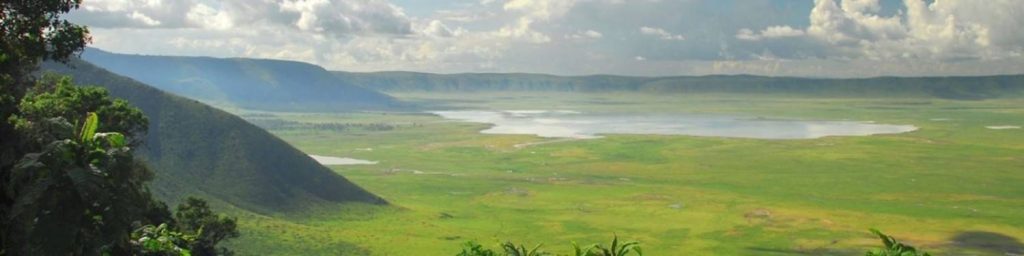
Volcanic activity in the region also played a decisive role. Millions of years ago, eruptions from the Ngorongoro volcanic complex spread ash across the southern Serengeti, creating exceptionally fertile soils rich in calcium, phosphorus, and other minerals. These nutrient-dense plains became ideal calving grounds where females could produce milk efficiently and newborn calves could grow rapidly during their vulnerable early weeks.
For thousands of years, the migration remained largely uninterrupted by human development. Indigenous pastoral communities, including the Maasai, coexisted with wildlife by practicing mobile livestock grazing that maintained ecosystem connectivity rather than obstructing animal movements. Unlike intensive agriculture or urban expansion, traditional land use allowed wildlife corridors to remain open.
European explorers arriving in the nineteenth century documented immense herds stretching to the horizon, but colonial hunting and disease outbreaks temporarily affected wildlife populations. One of the most significant disruptions occurred during the late nineteenth century when rinderpest, a viral disease introduced through imported cattle, devastated both livestock and wild ungulate populations across East Africa. Millions of animals died, dramatically reducing migration numbers.
Modern Conservation Success
The successful eradication of rinderpest during the twentieth century marked a turning point. Combined with the establishment of protected areas such as Serengeti National Park and the Maasai Mara National Reserve, wildlife populations rebounded spectacularly. Today, the migration remains one of the largest surviving land mammal movements on Earth and represents an extraordinary example of ecosystem recovery following historical disturbance.
Modern research using satellite tracking, aerial surveys, GPS collars, and ecological modeling has revealed that the migration is far more flexible than previously believed. Animals constantly adjust their routes according to rainfall distribution, vegetation quality, and environmental conditions, demonstrating remarkable adaptability within a highly organized natural system.
Geological and Ecological Origins
The Great Migration owes its existence to a unique combination of geological history and ecological processes that have shaped East Africa over millions of years. The foundation of this remarkable phenomenon lies beneath the feet of the migrating animals—in the volcanic soils, tectonic landscapes, and seasonal climate systems that define the Serengeti-Mara ecosystem.
The East African Rift System, one of the world’s largest geological structures, has gradually transformed the region through tectonic movement and volcanic activity. Massive eruptions from ancient volcanoes deposited layers of mineral-rich ash across the plains, particularly in the southern Serengeti and the Ngorongoro Conservation Area. Over time, weathering converted these deposits into fertile soils capable of supporting nutrient-rich short grasses.
Volcanic Soils and Nutrient-Rich Grasslands
These volcanic grasslands contain unusually high concentrations of calcium, magnesium, phosphorus, and potassium, nutrients essential for herbivore health and reproduction. Female wildebeest rely on these minerals during calving season, while rapidly growing calves benefit from highly digestible forage that supports early development.
Rainfall and Vegetation Growth
Ecologically, the region experiences a strongly seasonal climate controlled by shifting tropical rainfall patterns. Short rains typically occur toward the end of the year, while longer rains arrive several months later. These precipitation cycles create waves of vegetation growth that move across the landscape, effectively guiding herbivores from one feeding ground to another.
Unlike forests, where food remains relatively stable throughout the year, savanna grasses quickly lose nutritional value as they mature. Young grasses contain high protein levels and are easier to digest, making constant movement essential for grazing animals. As grasses age or become depleted, migrating herds must relocate to areas recently refreshed by rainfall.
Fire also contributes significantly to ecosystem maintenance. Naturally occurring and controlled burns remove old vegetation, recycle nutrients into the soil, suppress woody plant encroachment, and stimulate vigorous new grass growth. This continual renewal helps preserve the open grasslands that migration depends upon.
Rivers and Ecosystem Connectivity
Large rivers, including the Mara and Grumeti, add another dimension to the ecological landscape. While they provide permanent water sources during dry seasons, they also create formidable obstacles that shape migration timing and behavior. These crossings have become iconic symbols of the migration, illustrating the constant balance between opportunity and risk.
Together, geology, climate, hydrology, soil chemistry, vegetation dynamics, and evolutionary adaptation have produced a self-sustaining ecological system unlike any other on Earth. The migration is not simply an animal movement but the visible expression of millions of years of environmental interaction.
Physical Features That Make the Great Migration a Functional System
The Great Migration functions successfully because multiple physical and ecological components operate together as an integrated natural system. Each feature contributes to the movement, survival, and reproduction of millions of animals while maintaining the health and stability of the broader Serengeti-Mara ecosystem.
Volcanic Soils and Nutrient-Rich Grasslands
The southern Serengeti plains are underlain by volcanic ash derived from ancient eruptions in the Ngorongoro Highlands. These soils produce short grasses exceptionally rich in minerals such as calcium and phosphorus, creating ideal feeding grounds during calving season. The fertility of these plains supports one of the highest concentrations of grazing mammals anywhere in the world.
Seasonal Rainfall Patterns
Rainfall is the primary driver of migration. As precipitation shifts across East Africa, fresh grasses emerge in different locations, encouraging herbivores to follow a moving wave of food availability. Rather than adhering to fixed routes, the animals continuously adjust their movements according to changing weather conditions.
Extensive Open Savannah
The Serengeti-Mara ecosystem consists largely of open grasslands with relatively few natural barriers. This uninterrupted landscape enables enormous herds to travel hundreds of kilometers without encountering physical obstructions, allowing large-scale migration to continue across national boundaries.
River Networks
Major rivers such as the Mara, Grumeti, Mbalageti, and Orangi provide critical water resources throughout the year. During dry seasons, they become essential gathering points for wildlife. At the same time, river crossings create significant mortality risks from drowning and crocodile predation, contributing to natural population regulation and nutrient cycling.
Climate Variability
Alternating wet and dry seasons ensure that no single area can sustain herbivore populations permanently. This climatic variability forces continuous movement, preventing overgrazing while allowing vegetation time to recover after intense feeding pressure.
Grass Growth Dynamics
Different grass species mature at different rates depending on rainfall, soil type, and grazing intensity. Wildebeest preferentially consume short, highly nutritious grasses, while zebras graze taller vegetation, and gazelles feed on exposed herbs and shoots. This layered grazing strategy maximizes resource use and reduces competition among species.
Predator Distribution
Predators, including lions, hyenas, leopards, cheetahs, crocodiles, and African wild dogs, are distributed throughout the ecosystem in response to prey abundance. Their presence removes weaker individuals, controls herbivore populations, and maintains ecological balance through natural selection.
Landscape Connectivity
Perhaps the most essential physical characteristic is the uninterrupted connection between habitats. The migration depends on free movement across plains, woodlands, river valleys, and international borders. Fences, roads, agricultural expansion, or urban development that block these pathways can disrupt migration routes and threaten the long-term viability of the entire system.
Biodiversity Interactions
The migration supports thousands of interconnected species beyond the famous mammals. Birds feed on insects disturbed by grazing herds, dung beetles recycle waste into the soil, scavengers consume carcasses, and decomposers return nutrients to the ecosystem. Every component contributes to maintaining ecosystem productivity.
Ecological Feedback Loops
As herds graze, trample vegetation, deposit manure, and transport nutrients across vast distances, they actively shape the landscape they inhabit. Their movements promote grass regeneration, enhance soil fertility, and influence plant community composition, creating a continuous feedback cycle that sustains future migrations.
The Great Migration is therefore not merely an annual spectacle but a sophisticated ecological engine powered by geology, climate, vegetation, hydrology, and evolutionary adaptation. Its persistence demonstrates how interconnected natural systems can maintain stability while remaining remarkably dynamic in response to environmental change.
I’ve prepared the continuation as a publication-ready draft that follows naturally from the previous sections.
The Great Migration: Ecosystems, Migration Route, Biodiversity, and Conservation
The Serengeti Ecosystem
The Serengeti ecosystem forms the foundation of the Great Migration and is one of the most extensive and biologically diverse savanna ecosystems in the world. Covering approximately 30,000 square kilometers across northern Tanzania and extending into southwestern Kenya, the ecosystem encompasses open grasslands, wooded savannas, riverine forests, rocky kopjes, wetlands, and seasonal rivers. This remarkable diversity of habitats supports one of the highest concentrations of large mammals on Earth.
The name “Serengeti” is derived from the Maasai word Siringet, meaning “endless plains,” an appropriate description for the vast open landscapes that characterize much of the region. The ecosystem’s productivity is largely driven by volcanic soils, seasonal rainfall, and natural fire regimes that continually rejuvenate grasslands. These conditions create ideal grazing opportunities for wildebeest, zebras, gazelles, and numerous other herbivores.
Beyond supporting migrating animals, the Serengeti provides habitat for over 500 bird species, dozens of carnivore species, reptiles, amphibians, insects, and countless microorganisms. Every component interacts to create an ecological network that has remained functional for thousands of years, making the Serengeti one of the world’s most important conservation landscapes.
The Maasai Mara Ecosystem
The Maasai Mara ecosystem represents the northern extension of the Serengeti and serves as a crucial dry-season refuge for migrating herds. Located in southwestern Kenya, the reserve and surrounding conservancies receive relatively higher rainfall than the southern Serengeti, allowing grasses to remain green and nutritious even when conditions farther south become dry.
Unlike the expansive plains of the Serengeti, the Maasai Mara features rolling grasslands interspersed with riverine forests, acacia woodlands, and permanent water sources. These varied habitats provide abundant forage and shelter for both herbivores and predators.
The Maasai Mara is internationally renowned for its exceptional density of lions, cheetahs, leopards, hyenas, and crocodiles. During peak migration months, the arrival of more than a million herbivores dramatically increases food availability, supporting predator populations that rank among the highest recorded anywhere in Africa.
The ecosystem also demonstrates successful collaboration between wildlife conservation and community-based tourism. Local Maasai conservancies surrounding the reserve help maintain migration corridors while generating economic benefits through sustainable tourism initiatives.
Climate Patterns
Climate is the principal force governing the Great Migration. East Africa experiences alternating wet and dry seasons that create shifting patterns of vegetation growth across the landscape. Rather than migrating according to fixed dates, animals respond dynamically to changes in rainfall distribution and forage quality.
The region’s climate is influenced by the movement of the Intertropical Convergence Zone (ITCZ), which drives seasonal rainfall north and south across East Africa. As rain falls in one region and grasses begin to regenerate, herbivores instinctively move toward newly productive areas while abandoning locations where vegetation has become depleted.
Temperature variations remain relatively moderate throughout the year, making food availability rather than temperature the dominant factor influencing migration behavior.
Rainfall Cycles
Rainfall occurs in two primary seasons. The short rains generally arrive between October and December, stimulating fresh grass growth on the southern plains where wildebeest gather to calve. The long rains typically occur between March and May, further replenishing vegetation before dry conditions begin to develop.
Because rainfall varies from year to year, migration routes remain flexible. Delayed rains may postpone movement, while localized storms can temporarily redirect herds toward unexpected grazing areas. This adaptability enables the migration to persist despite considerable environmental variability.
The relationship between rainfall and grass growth is immediate. Within days of precipitation, dormant grasses produce nutrient-rich shoots that attract herbivores from considerable distances. This rapid ecological response forms the biological engine that drives the entire migration cycle.
River Systems
The Serengeti-Mara ecosystem contains numerous permanent and seasonal rivers that sustain wildlife throughout the year. Among the most important are the Mara River, Grumeti River, Mbalageti River, and Orangi River.
These waterways provide essential drinking water during dry periods while supporting aquatic ecosystems rich in fish, reptiles, amphibians, and birds. Riverine forests growing along their banks create valuable habitats for elephants, monkeys, hippos, and numerous bird species.
For migrating herds, rivers present both opportunity and danger. While they offer life-sustaining water, they also serve as major physical barriers that must be crossed despite strong currents, steep banks, and the presence of Nile crocodiles. These dramatic crossings have become iconic symbols of the Great Migration.
Grassland Dynamics
Grasslands form the nutritional foundation of the migration. Their growth depends on rainfall, soil fertility, grazing intensity, fire, and seasonal climate patterns. Unlike mature grasses that contain high fiber and relatively low nutritional value, newly emerging shoots are rich in proteins, minerals, and digestible carbohydrates.
The grazing sequence itself contributes to ecosystem efficiency. Zebras typically consume taller, coarser grasses first, exposing tender shoots preferred by wildebeest. Thomson’s gazelles then feed on herbs and newly sprouted vegetation left behind by larger grazers. This complementary feeding strategy allows multiple species to coexist while maximizing resource utilization.
Continuous grazing also stimulates fresh plant growth and prevents woody vegetation from dominating the landscape, helping preserve the open savanna ecosystem.
Soil Composition
The extraordinary fertility of the southern Serengeti originates from volcanic ash deposited by ancient eruptions from the Ngorongoro Highlands. These soils contain abundant calcium, phosphorus, magnesium, potassium, and trace minerals essential for herbivore nutrition.
The shallow alkaline soils support dense carpets of short grasses, particularly suited to wildebeest feeding habits. During calving season, females rely on these mineral-rich grasses to produce nutritious milk, while calves obtain rapid growth through high-quality forage.
In contrast, northern regions possess deeper soils and taller vegetation, illustrating how geological variation directly shapes migration patterns across the ecosystem.
Predator-Prey Relationships
The Great Migration supports one of the world’s most sophisticated predator-prey systems. Lions, hyenas, leopards, cheetahs, African wild dogs, crocodiles, and vultures all depend directly or indirectly on migrating herbivores.
Predators preferentially target weak, injured, elderly, or inexperienced individuals, contributing to natural selection and maintaining healthier prey populations. Simultaneously, herbivores have evolved coordinated group behaviors, vigilance, speed, and synchronized calving to reduce predation risk.
The balance between predator and prey has developed over thousands of years and represents a fundamental mechanism maintaining ecosystem stability.
The Complete Course of the Migration Throughout the Year

Southern Serengeti
Between December and March, the majority of wildebeest gather on the southern Serengeti plains where fresh grasses flourish following seasonal rains. This period coincides with calving season, during which more than 500,000 calves may be born within only a few weeks. The synchronized births overwhelm predators and maximize offspring survival.
Ndutu Plains
The Ndutu region, located between the southern Serengeti and the Ngorongoro Conservation Area, serves as one of the migration’s most important nursery grounds. Open grasslands provide excellent visibility against predators while nutrient-rich forage supports lactating females and rapidly growing calves.
Western Corridor
As grasses begin to dry during April and May, herds gradually move northwest into the Western Corridor. This elongated region contains woodlands, floodplains, and permanent rivers that sustain wildlife during transitional months. Large concentrations of animals often spread across vast distances while searching for optimal grazing.
Grumeti River Crossing
One of the migration’s earliest major obstacles is the Grumeti River. Although generally less dramatic than the Mara River, crossings still involve significant risks from crocodiles, steep riverbanks, and powerful currents. Successful crossings allow access to productive grazing farther north.
Northern Serengeti
By July and August, migrating herds typically reach the northern Serengeti, where rainfall has maintained greener vegetation. The landscape becomes increasingly rugged, with river valleys and woodlands replacing the expansive southern plains.
Mara River Crossing
Perhaps the most famous stage of the migration occurs at the Mara River. Tens of thousands of wildebeest may gather for hours or even days before suddenly plunging into the water. Confusion, strong currents, crocodile attacks, and stampedes create dramatic scenes that symbolize both the peril and resilience of the migration.
Despite losses, successful crossings allow access to abundant grazing within the Maasai Mara.
Maasai Mara
From August through October, herds disperse throughout the Maasai Mara, where relatively reliable rainfall maintains productive grasslands. During this period, predators benefit enormously from increased prey availability, while herbivores replenish energy reserves after months of travel.
Return Journey
As southern rains begin once again around October and November, instinct drives the herds back toward Tanzania. The migration gradually retraces its route through the northern Serengeti, Western Corridor, and eventually returns to the southern plains where the annual cycle begins anew.
Species Involved
Although wildebeest dominate the migration numerically, numerous other species participate in or benefit from the phenomenon. Approximately 1.5 million blue wildebeest travel alongside around 250,000 plains zebras and more than 500,000 Thomson’s gazelles.
Additional participants include Grant’s gazelles, elands, topi, impalas, hartebeest, buffaloes, elephants, giraffes, and warthogs. Predators such as lions, cheetahs, leopards, hyenas, African wild dogs, jackals, crocodiles, and numerous birds of prey rely heavily on these migrating populations.
Scavengers, including vultures, marabou storks, and hyenas, recycle carcasses, while dung beetles, termites, fungi, and bacteria contribute to nutrient decomposition.
River Crossings and Their Ecological Importance
River crossings represent far more than dramatic wildlife spectacles. They function as natural selection events that regulate populations and redistribute nutrients across ecosystems.
Animals that drown or fall prey to crocodiles provide food for aquatic organisms, scavengers, and decomposers. Their remains enrich river ecosystems with organic matter and nutrients that support fish populations and aquatic vegetation.
The crossings also test herd cohesion and decision-making, reinforcing behavioral adaptations that improve long-term survival.
Predators and Natural Selection
Predation serves as a critical evolutionary force throughout the migration. By removing weaker individuals, predators improve the overall fitness of prey populations and reduce disease transmission.
Synchronized calving overwhelms predators through sheer numbers, ensuring that many calves survive despite intense hunting pressure. Meanwhile, predators continuously refine their own hunting strategies in response to prey behavior, creating an ongoing evolutionary arms race that benefits ecosystem stability.
Importance of Biodiversity
The Great Migration is one of the most significant drivers of biodiversity in Africa. Grazing prevents grasslands from becoming overgrown, while nutrient cycling enhances soil fertility and plant productivity.
Birds follow grazing animals to feed on disturbed insects. Dung beetles recycle waste into the soil. Scavengers eliminate carcasses before disease spreads. Predators regulate herbivore numbers. These interconnected relationships sustain thousands of species across multiple trophic levels.
Without migration, many ecological processes that define the Serengeti-Mara ecosystem would be fundamentally altered.
Economic Importance Through Tourism
The Great Migration generates hundreds of millions of dollars annually through tourism and represents one of East Africa’s most valuable natural assets. Visitors travel from around the world to witness calving events, predator interactions, and river crossings, supporting hotels, safari operators, airlines, guides, conservation organizations, and local communities.
Employment opportunities extend beyond tourism itself, stimulating infrastructure development, handicraft industries, transportation services, and conservation financing. Revenue generated through wildlife tourism has become a powerful incentive for protecting natural habitats and migration corridors.
Conservation Challenges
Despite its resilience, the Great Migration faces numerous threats. Habitat fragmentation caused by agriculture, fencing, roads, settlements, and infrastructure development can obstruct migration routes that have existed for thousands of years.
Poaching remains a concern in some areas, while increasing human population growth intensifies competition for land and water resources. Livestock expansion may also introduce diseases or reduce grazing availability for wildlife.
Maintaining ecological connectivity across international boundaries is essential for preserving the migration’s long-term viability.
Climate Change and Future Threats
Climate change poses one of the greatest uncertainties for the future of the Great Migration. Altered rainfall patterns, prolonged droughts, rising temperatures, and increased weather variability may disrupt the timing of grass growth and water availability that currently guide migration.
Extreme climatic events could reduce calving success, increase mortality during droughts, or force animals into areas with greater human conflict. Conservation strategies increasingly focus on protecting large connected landscapes that allow wildlife to adapt naturally to changing environmental conditions.
Interesting Facts
- Every year, more than 1.5 million wildebeest begin a circular journey across northern Tanzania and southwestern Kenya. Hundreds of thousands of zebras, gazelles, elands, and other herbivores travel with them.
- Over 500,000 wildebeest calves can be born within three weeks.
- The migration covers approximately 800 to 1,000 kilometers annually in a continuous circular route.
- Wildebeest can detect rainfall and fresh vegetation from remarkable distances, helping guide their movements.
- The Serengeti-Mara ecosystem supports one of the highest predator densities anywhere in Africa.
- River crossings may occur multiple times as herds search for optimal grazing rather than following a fixed schedule.
- The migration has persisted for thousands of years and remains one of the last intact large-mammal migrations on Earth.
- Nutrients transported through grazing, manure deposition, and carcass decomposition continually fertilize the ecosystem.
Conclusion
The Great Migration stands as one of the planet’s most extraordinary demonstrations of ecological connectivity and natural resilience. Far more than a seasonal movement of animals, it is a complex biological system shaped by geology, climate, soils, vegetation, rivers, predators, and evolutionary adaptation over thousands of years. Every stage of the migration reflects an intricate balance between survival and environmental opportunity, linking millions of organisms across the Serengeti-Maasai Mara ecosystem.
Its significance extends beyond wildlife conservation. The migration sustains biodiversity, drives regional economies through tourism, supports scientific research, and serves as a global symbol of the importance of preserving interconnected natural landscapes. At a time when habitat fragmentation and climate change threaten migratory species worldwide, the Great Migration offers powerful evidence that healthy ecosystems depend on freedom of movement and ecological integrity.
Protecting this phenomenon requires continued international cooperation, sustainable land management, community participation, and long-term conservation planning. If these efforts succeed, future generations will continue to witness one of nature’s greatest spectacles, a timeless cycle that embodies the remarkable adaptability and interconnectedness of life on Earth.