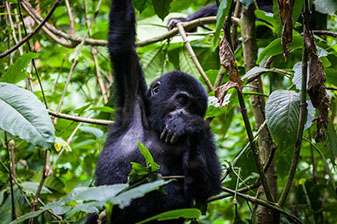
Queen Elizabeth National Park- Experience unforgettable wildlife encounters, cruise the legendary Kazinga Channel, track wild chimpanzees, and discover the famous tree-climbing lions with Book Gorilla Treks.
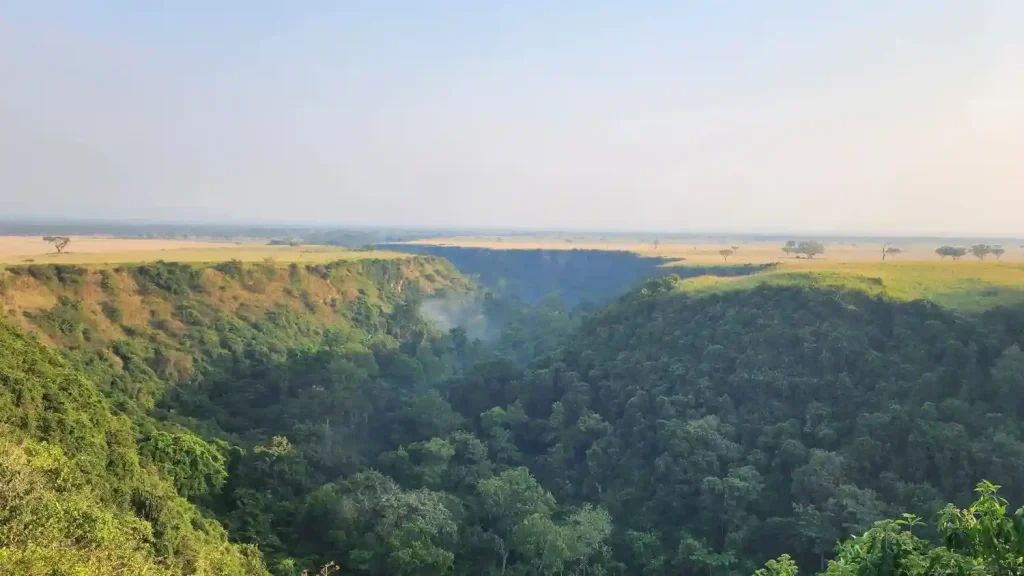
Queen Elizabeth National Park stands as one of Africa’s most extraordinary wildlife destinations, offering an exceptional blend of breathtaking landscapes, remarkable biodiversity, and unforgettable safari experiences. Located in western Uganda, this iconic national park stretches from the snow-capped foothills of the Rwenzori Mountains to the tranquil shores of Lake Edward, encompassing an astonishing variety of ecosystems that support one of the richest concentrations of wildlife on the continent.
Unlike many safari destinations that showcase a single landscape, Queen Elizabeth National Park presents visitors with an ever-changing mosaic of open savannah plains, volcanic crater lakes, papyrus wetlands, tropical forests, acacia woodlands, riverine habitats, and the world-famous Kazinga Channel. Every kilometre reveals a new environment, making each safari an immersive journey through one of East Africa’s most biologically diverse protected areas.
Whether you dream of watching elephants graze beneath the African sunrise, photographing the legendary tree-climbing lions of Ishasha, cruising alongside hundreds of hippopotamuses on the Kazinga Channel, or tracking wild chimpanzees through ancient rainforest, Queen Elizabeth National Park delivers experiences that remain with travellers for a lifetime.
For visitors seeking an authentic Uganda safari, few destinations combine such remarkable wildlife diversity, spectacular scenery, and accessible adventure within a single national park.
Why Visit Queen Elizabeth National Park?
Every safari destination offers something unique, yet Queen Elizabeth National Park distinguishes itself through its extraordinary diversity. The park supports more than 95 mammal species and over 600 recorded bird species, making it one of the most biodiverse protected areas in Africa. This exceptional concentration of wildlife, combined with dramatic landscapes and a wide range of safari activities, creates an experience unlike any other in Uganda.
Travellers can embark on early morning game drives across wildlife-rich savannahs, enjoy relaxing boat cruises along the Kazinga Channel, explore the remote Ishasha Sector in search of tree-climbing lions, track habituated chimpanzees in Kyambura Gorge, discover scenic crater lakes, participate in guided nature walks, and engage with neighbouring communities whose cultures have flourished alongside the park for generations.
Few destinations allow visitors to experience such a remarkable variety of landscapes and wildlife within a single itinerary. Every day introduces new habitats, new species, and new adventures, making Queen Elizabeth National Park an essential destination for first-time visitors and seasoned safari enthusiasts alike.
Its strategic location also allows travellers to combine the park with Bwindi Impenetrable National Park, Kibale National Park, Lake Mburo National Park, Semuliki National Park, and the Rwenzori Mountains, creating some of East Africa’s most rewarding multi-destination safari itineraries.
A Rich History of Conservation
Queen Elizabeth National Park occupies a special place in Uganda’s conservation history. Long before the establishment of formal protected areas, local communities coexisted with the abundant wildlife that flourished across the region’s grasslands, forests, lakes, and wetlands. These landscapes sustained both people and wildlife through generations, creating deep cultural connections that remain evident today.
Recognizing the area’s exceptional ecological importance, the British colonial administration designated the region as Kazinga National Park in 1952 to protect its extraordinary wildlife and natural habitats. Two years later, following the state visit of Queen Elizabeth II to Uganda in 1954, authorities renamed the park Queen Elizabeth National Park in her honour. The new name reflected the park’s growing international significance as one of Africa’s premier wildlife conservation areas.
Since its establishment, Queen Elizabeth National Park has become a symbol of Uganda’s commitment to biodiversity conservation. Although the park experienced significant challenges during periods of political instability in the 1970s and 1980s, dedicated conservation efforts led by the Uganda Wildlife Authority, conservation organisations, researchers, tourism partners, and neighbouring communities have contributed to a remarkable recovery in wildlife populations.
Today, elephants, African buffaloes, lions, leopards, Uganda kob, waterbucks, giant forest hogs, and numerous other species thrive within the park’s protected ecosystems. Responsible tourism continues to play a vital role by supporting conservation programmes, strengthening local livelihoods, and helping preserve this extraordinary landscape for future generations.
Location and Geography
Queen Elizabeth National Park lies in western Uganda within the Albertine Rift Valley, one of the world’s most important biodiversity hotspots. Covering approximately 1,978 square kilometres, the park spans the districts of Kasese, Rubirizi, Rukungiri, and Kamwenge, forming part of a larger protected landscape that connects forests, wetlands, lakes, and wildlife corridors across the region.
The park enjoys a spectacular setting between Lake George to the northeast and Lake Edward to the southwest. Linking these two great lakes is the famous Kazinga Channel, a natural waterway that serves as the ecological lifeline of the park. This permanent source of fresh water attracts enormous concentrations of wildlife throughout the year, making it one of Uganda’s finest locations for wildlife viewing.
To the north, the snow-capped Rwenzori Mountains dominate the horizon, while the southern Ishasha Sector extends toward Bwindi Impenetrable National Park, creating an important wildlife corridor that supports ecological connectivity between Uganda’s protected areas.
The park’s central location makes it one of the most accessible safari destinations in Uganda. Visitors can reach Queen Elizabeth National Park by road from Kampala or Entebbe within approximately six to seven hours, while scheduled domestic flights offer quicker access for travellers seeking luxury fly-in safaris.
A Landscape Shaped by Fire, Water, and Time
Few national parks in Africa display such extraordinary geological diversity. Millions of years of volcanic activity, tectonic movement, and erosion have sculpted a landscape unlike anywhere else in Uganda.
Rolling savannah plains stretch toward the horizon before giving way to shimmering crater lakes formed by ancient volcanic explosions. Dense tropical forests occupy sheltered valleys, while papyrus wetlands border rivers and lakes that support countless aquatic species. Acacia woodlands provide shelter for browsing herbivores, and open grasslands create ideal hunting grounds for the park’s predators.
One of the park’s most fascinating features is its extensive collection of volcanic crater lakes. These ancient craters vary greatly in size, depth, and colour, creating spectacular viewpoints that attract photographers and nature lovers alike. Some lakes contain fresh water, while others possess high concentrations of minerals and salt that attract wildlife and support specialized plant communities.
This remarkable diversity of habitats explains why Queen Elizabeth National Park supports such an extraordinary variety of wildlife. Every ecosystem contributes to the park’s ecological richness, allowing visitors to experience dramatically different environments within a single day.
Uganda’s Most Diverse National Park
Biodiversity defines Queen Elizabeth National Park more than any other characteristic. Scientists recognize the park as one of Africa’s most ecologically diverse conservation areas because of the remarkable range of habitats contained within its boundaries.
These interconnected ecosystems support an exceptional variety of mammals, reptiles, amphibians, insects, fish, and birds. Seasonal rainfall, permanent water sources, fertile volcanic soils, and varied elevations create ideal conditions for wildlife to flourish year-round.
Unlike many parks that specialize in a single safari experience, Queen Elizabeth National Park offers an extraordinary combination of classic game viewing, river safaris, rainforest exploration, birdwatching, cultural encounters, and scenic landscapes. This diversity ensures that every visitor discovers something unique, whether travelling as a wildlife photographer, a bird enthusiast, a honeymoon couple, a family, or a first-time safari explorer.
Every journey through Queen Elizabeth National Park reveals another layer of Uganda’s natural heritage, inviting travellers to experience the extraordinary beauty and biodiversity that have earned this remarkable destination international recognition.
Certainly. We’ll continue building this as a premium cornerstone article for Book Gorilla Treks. Below is Part Two, focusing on wildlife, game drives, the Kazinga Channel, and the famous tree-climbing lions. It follows naturally from Part One and maintains a premium editorial style with strong booking intent and natural SEO integration.
Wildlife in Queen Elizabeth National Park – A Safari Unlike Any Other
Queen Elizabeth National Park offers one of Africa’s richest wildlife experiences, earning its reputation as Uganda’s premier savannah safari destination. The park’s remarkable ecological diversity supports an extraordinary concentration of mammals, birds, reptiles, and aquatic life, making every game drive and boat excursion a new adventure. Whether you are embarking on your first African safari or returning to Uganda for another unforgettable journey, the park rewards every visitor with exceptional wildlife encounters.
More than 95 mammal species roam freely across the park’s varied landscapes. Vast savannah plains support large populations of African elephants, Cape buffaloes, Uganda kob, waterbucks, bushbucks, topis, warthogs, giant forest hogs, and several species of mongoose. Dense forests shelter primates, while wetlands and lakes provide sanctuary for hippos, crocodiles, and countless aquatic birds. This incredible diversity creates one of East Africa’s most complete safari ecosystems.
Unlike destinations where wildlife viewing centres around a single attraction, Queen Elizabeth National Park presents visitors with a complete safari experience. Every habitat introduces different species, ensuring that each day reveals something new.
Spectacular Game Drives Across the Kasenyi Plains
The Kasenyi Plains form the heart of wildlife viewing in Queen Elizabeth National Park. These expansive grasslands provide ideal conditions for game drives throughout the year and rank among Uganda’s finest locations for observing large mammals in their natural habitat.
As the sun rises above the savannah, experienced safari guides lead visitors across a network of well-maintained tracks that wind through open grasslands and scattered acacia woodlands. Early morning offers the best opportunities to observe wildlife while temperatures remain cool and animals remain active.
Large herds of Uganda kob graze peacefully across the plains, creating one of the park’s most iconic scenes. These graceful antelopes also serve as the primary prey species for lions, making the Kasenyi Plains one of the most reliable locations to search for Africa’s most celebrated predator.
Visitors frequently encounter elephants feeding among acacia trees or crossing open grasslands in family groups led by experienced matriarchs. Cape buffaloes gather in impressive herds that often number in the hundreds, while waterbucks, bushbucks, warthogs, and giant forest hogs move through the surrounding vegetation.
Every game drive offers unique opportunities because wildlife constantly changes its movements according to weather, food availability, and natural behaviour. No two safaris are ever the same.

Encounter the Legendary Tree-Climbing Lions of Ishasha
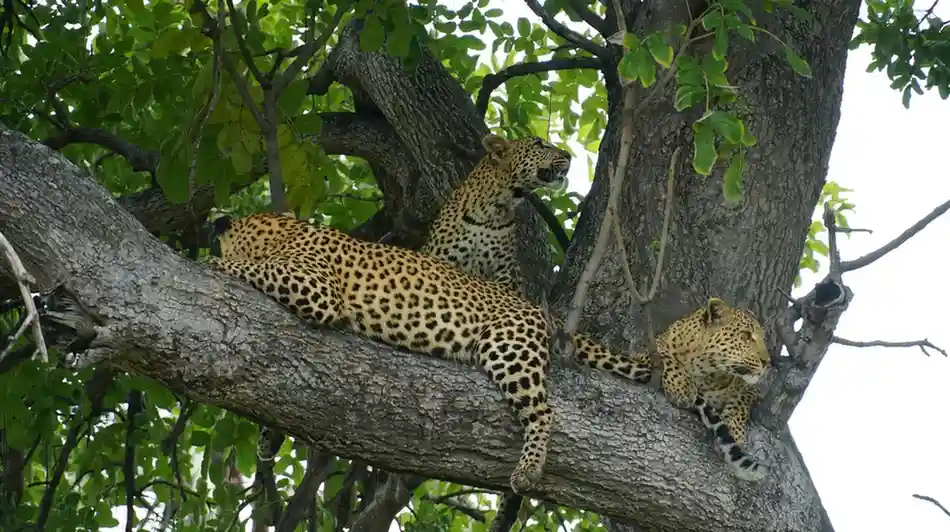
Perhaps no wildlife experience defines Queen Elizabeth National Park more than encountering the famous tree-climbing lions of the Ishasha Sector. This remote southern region has earned international recognition as one of the few places in Africa where lions regularly climb and rest in large fig trees.
Although scientists continue to study this unusual behaviour, several theories suggest that the lions climb trees to escape biting insects, avoid the midday heat, gain better vantage points over the surrounding plains, or simply rest comfortably on broad tree branches.
Regardless of the reason, witnessing a fully grown lion stretched across the limbs of an ancient fig tree creates one of Africa’s most unforgettable safari moments.
The Ishasha Sector offers more than tree-climbing lions alone. The area supports healthy populations of elephants, buffaloes, topis, Uganda kob, and numerous bird species within a quieter and less crowded wilderness. Visitors often enjoy extended wildlife sightings without encountering large numbers of safari vehicles, creating a more intimate and authentic safari experience.
Many travellers combine Ishasha with gorilla trekking in Bwindi Impenetrable National Park, creating one of Uganda’s most popular safari combinations.
Searching for Leopards
Leopards remain among the most elusive members of Africa’s Big Cats, yet Queen Elizabeth National Park offers rewarding opportunities to observe these magnificent predators.
Experienced safari guides carefully search acacia woodlands, dense vegetation, and rocky outcrops where leopards frequently rest during daylight hours. Early morning and late afternoon game drives provide the greatest chance of success, as cooler temperatures encourage these solitary hunters to become more active.
Patient visitors occasionally discover leopards resting high in tree branches, moving silently through tall grass, or stalking prey with remarkable stealth and precision. Every leopard sighting represents a memorable reward for keen observation and expert guiding.
African Elephants – The Giants of the Savannah
Queen Elizabeth National Park protects one of Uganda’s most significant elephant populations. These intelligent giants move freely across the park’s diverse landscapes, travelling between forests, grasslands, wetlands, and lakes according to seasonal food availability.
Watching an elephant family interact in the wild provides one of the most rewarding safari experiences. Mature females lead close-knit family groups while younger calves remain protected within the herd. Visitors often observe elephants feeding on grasses, stripping bark from trees, dust bathing, or cooling themselves beside water sources.
The Kazinga Channel, Mweya Peninsula, and Kasenyi Plains offer particularly excellent opportunities to observe elephants throughout the year.
Buffaloes, Antelopes and the Great Grazers
Healthy herbivore populations form the foundation of Queen Elizabeth National Park’s rich ecosystem. Vast herds of Cape buffalo roam the savannah alongside Uganda kob, topis, waterbucks, bushbucks, and warthogs, creating spectacular wildlife viewing opportunities during every safari.
Uganda kob deserve special attention because they symbolize Uganda’s wildlife heritage and occur in particularly high numbers throughout the park. During the breeding season, males establish territories known as leks, where they compete for mating opportunities while attracting nearby predators such as lions and hyenas.
The abundance of grazing animals supports healthy populations of carnivores and helps maintain the ecological balance that defines this remarkable protected area.
The Kazinga Channel – Uganda’s Greatest Boat Safari
Flowing for approximately 32 kilometres between Lake George and Lake Edward, the Kazinga Channel forms one of Queen Elizabeth National Park’s most celebrated attractions. This natural waterway attracts extraordinary concentrations of wildlife, making it one of Africa’s finest destinations for boat safaris.
Unlike traditional game drives, the Kazinga Channel allows visitors to approach wildlife quietly from the water while enjoying uninterrupted panoramic views of the surrounding landscape.
Large pods of hippopotamuses spend much of the day submerged beneath the calm waters before surfacing to breathe and communicate with loud grunts that echo across the channel. Massive Nile crocodiles bask along muddy riverbanks, patiently waiting for opportunities to hunt.
Elephants regularly descend to drink from the channel, while buffaloes gather along the shoreline in impressive numbers. Waterbucks, monitor lizards, and countless bird species thrive within this rich aquatic ecosystem.
Every cruise reveals remarkable wildlife behaviour that remains difficult to observe from land, making the Kazinga Channel an essential highlight of every visit to Queen Elizabeth National Park.
A Paradise for Birdwatchers
Queen Elizabeth National Park has earned international recognition as one of Africa’s greatest birdwatching destinations. More than 600 recorded bird species inhabit the park’s forests, wetlands, lakes, grasslands, and woodlands, representing one of the highest bird counts recorded within any protected area in East Africa.
The Kazinga Channel attracts enormous numbers of waterbirds, including African fish eagles, saddle-billed storks, African jacanas, pelicans, cormorants, kingfishers, herons, egrets, and pied kingfishers. The park’s grasslands provide excellent opportunities to observe secretary birds, martial eagles, vultures, and numerous species of hornbills and bee-eaters.
One of the park’s most sought-after species is the elusive shoebill, occasionally observed in surrounding wetlands by fortunate birdwatchers. Although sightings require patience and favourable conditions, dedicated birding excursions significantly improve the chances of encountering this remarkable prehistoric-looking bird.
Whether birdwatching forms the primary purpose of your safari or complements your wildlife experience, Queen Elizabeth National Park delivers exceptional opportunities throughout the year.
Wildlife Photography in Queen Elizabeth National Park
Every landscape within Queen Elizabeth National Park presents outstanding opportunities for wildlife photography. Golden morning light transforms the Kasenyi Plains into an ideal setting for capturing elephants, buffaloes, antelopes, and predators against dramatic African skies.
The Ishasha Sector provides rare opportunities to photograph tree-climbing lions in their natural environment, while the Kazinga Channel offers close-range perspectives of hippos, crocodiles, elephants, and countless bird species.
Professional photographers and enthusiastic beginners alike appreciate the park’s constantly changing scenery, diverse wildlife, and remarkable natural lighting. Every safari creates opportunities to capture images that tell the story of Uganda’s extraordinary wilderness.
Discover Queen Elizabeth National Park with Book Gorilla Treks
Every wildlife encounter tells a different story, and every safari deserves thoughtful planning. At Book Gorilla Treks, we create personalized safari experiences that allow travellers to explore Queen Elizabeth National Park at their own pace while enjoying expert local guidance, carefully selected accommodation, and professionally designed itineraries.
Whether you wish to experience thrilling game drives, search for the legendary tree-climbing lions, cruise along the wildlife-rich Kazinga Channel, or combine your safari with gorilla trekking in Bwindi Impenetrable National Park, our experienced team will design an unforgettable journey tailored to your interests.
Ready to experience Uganda’s most diverse safari destination?
Chimpanzee Tracking in Kyambura Gorge – Uganda’s Hidden Primate Adventure
While Queen Elizabeth National Park is best known for its spectacular savannah wildlife, the park also offers one of Uganda’s most unique primate experiences. Hidden beneath the open grasslands lies Kyambura Gorge, an ancient tropical forest carved deep into the Great Rift Valley. Often referred to as the “Valley of Apes,” this remarkable gorge creates a striking contrast to the surrounding savannah, offering visitors the rare opportunity to combine a classic wildlife safari with chimpanzee tracking in a single destination.
Stretching for approximately 16 kilometres and plunging more than 100 metres below the surrounding plains, Kyambura Gorge shelters a lush rainforest fed by the Kyambura River. Towering fig trees, dense vegetation, cascading vines, and the constant sounds of birds and insects create an entirely different ecosystem from the grasslands above. As visitors descend into the gorge, they leave the open savannah behind and enter one of Uganda’s most fascinating natural environments.
Chimpanzee tracking begins early in the morning under the guidance of experienced Uganda Wildlife Authority rangers. The search follows fresh signs left by the chimpanzees, including feeding remains, vocalizations, footprints, and broken branches. Every trek differs depending on the movements of the habituated community, making each experience both exciting and unpredictable.
Finding the chimpanzees rewards visitors with unforgettable moments as they observe these intelligent primates feeding, grooming, communicating, and interacting naturally within their forest home. Beyond chimpanzees, Kyambura Gorge supports black-and-white colobus monkeys, red-tailed monkeys, olive baboons, vervet monkeys, butterflies, reptiles, and an impressive diversity of forest birds.
For travellers seeking a more complete Uganda safari, Kyambura Gorge provides an extraordinary opportunity to experience both savannah wildlife and primates without travelling long distances between destinations.
The Crater Lakes – Hidden Gems of the Albertine Rift
One of Queen Elizabeth National Park’s most remarkable yet often overlooked attractions is its spectacular collection of volcanic crater lakes. Formed thousands of years ago by powerful volcanic activity within the Albertine Rift Valley, these ancient lakes create some of Uganda’s most breathtaking landscapes.
Scattered across rolling hills north of the park, each crater possesses its own unique character. Some contain fresh water surrounded by lush vegetation, while others have become highly saline due to mineral deposits accumulated over centuries. Their varying colours, depths, and surrounding scenery provide endless opportunities for sightseeing and photography.
Several scenic viewpoints overlook clusters of crater lakes stretching toward the Rwenzori Mountains, creating panoramic vistas that rank among western Uganda’s finest landscapes. During clear weather, visitors enjoy spectacular views of crater lakes reflecting the surrounding hills while distant mountain peaks dominate the horizon.
Guided excursions through the crater lake region allow travellers to explore local villages, tea plantations, traditional farms, and community conservation projects while appreciating the geological forces that shaped this extraordinary landscape.
The Mweya Peninsula – The Heart of the Park
Situated between Lake Edward and the Kazinga Channel, the Mweya Peninsula serves as the tourism hub of Queen Elizabeth National Park. Its strategic location places visitors within easy reach of the park’s major attractions, making it an ideal base for wildlife safaris.
The peninsula offers magnificent panoramic views across the Kazinga Channel, where hippos, crocodiles, elephants, buffaloes, and countless bird species gather throughout the day. Early mornings often begin with the sounds of fish eagles echoing across the water, while evenings reward visitors with spectacular sunsets over Lake Edward.
Several luxury lodges, comfortable safari camps, visitor facilities, and the Uganda Wildlife Authority information centre are located within the Mweya Peninsula, providing convenient access to game drives, boat cruises, birdwatching excursions, and guided nature experiences.
Cultural Experiences Around Queen Elizabeth National Park
A visit to Queen Elizabeth National Park extends beyond wildlife encounters. The surrounding communities preserve rich cultural traditions that offer visitors meaningful opportunities to connect with Uganda’s people and heritage.
Local cultural experiences introduce travellers to traditional music, dance, storytelling, basket weaving, banana beer brewing, and agricultural practices that have supported communities for generations. Guided village walks provide insight into everyday life while highlighting the close relationship between conservation and sustainable community development.
One of the most popular cultural attractions is the Kikorongo Equator Cultural Community, where visitors learn about local customs, crafts, medicinal plants, and traditional livelihoods. Purchasing locally made handicrafts directly supports families living near the park while preserving valuable cultural knowledge.
These authentic experiences complement wildlife safaris by revealing the human stories that shape the landscapes surrounding Queen Elizabeth National Park.
Luxury Safari Lodges in Queen Elizabeth National Park
Queen Elizabeth National Park offers one of Uganda’s finest selections of safari accommodation, ranging from world-class luxury lodges to comfortable mid-range camps and excellent budget options. Whether you seek an exclusive honeymoon retreat, a family-friendly safari lodge, or an affordable wildlife adventure, the park provides accommodation for every travel style.
Luxury lodges occupy spectacular locations overlooking the Kazinga Channel, crater lakes, or open savannah. Guests enjoy spacious suites, elegant dining, infinity swimming pools, spa facilities, private balconies, and personalized service while remaining immersed in the surrounding wilderness.
Mid-range safari lodges combine comfort, excellent hospitality, and outstanding value. Many feature beautifully landscaped gardens, panoramic viewpoints, swimming pools, and convenient access to game drive routes and boat safari departure points.
Budget lodges and tented camps allow adventurous travellers to experience Queen Elizabeth National Park without compromising the quality of their wildlife encounters. These accommodations offer clean facilities, welcoming hospitality, and excellent locations for exploring the park.
Selecting the right accommodation plays an important role in creating a memorable safari, and Book Gorilla Treks carefully recommends properties that match each traveller’s expectations, travel style, and budget.
Honeymoons, Family Safaris, and Luxury Holidays
Queen Elizabeth National Park welcomes every type of traveller. Couples celebrating honeymoons enjoy romantic sunset boat cruises, luxury lodges overlooking the Kazinga Channel, candlelit dinners beneath African skies, and unforgettable wildlife encounters shared.
Families appreciate the park’s accessible road network, diverse wildlife, educational experiences, and range of accommodation suitable for children. Professional guides create engaging safaris that inspire curiosity while ensuring comfort and safety throughout the journey.
Luxury travellers value personalized itineraries, private safari vehicles, exclusive lodges, charter flights, and customized experiences that transform an ordinary holiday into an extraordinary African adventure.
Photographers, birdwatchers, conservation enthusiasts, solo travellers, and small groups all discover unique opportunities within Queen Elizabeth National Park’s remarkably diverse landscapes.
Why Combine Queen Elizabeth National Park with Gorilla Trekking?
Many visitors choose to combine Queen Elizabeth National Park with gorilla trekking in Bwindi Impenetrable National Park, creating one of Africa’s most rewarding wildlife journeys.
The southern Ishasha Sector lies relatively close to Bwindi, allowing travellers to transition smoothly from searching for tree-climbing lions to trekking through ancient rainforest in search of endangered mountain gorillas. Few destinations in the world offer such an extraordinary combination of classic savannah safaris and once-in-a-lifetime primate encounters within a single itinerary.
Book Gorilla Treks specializes in designing seamless safari itineraries that combine Queen Elizabeth National Park, Bwindi Impenetrable National Park, Kibale National Park, Lake Mburo National Park, and other leading destinations across Uganda. Every journey is tailored to your interests, ensuring a balanced experience that showcases the country’s remarkable wildlife, landscapes, and cultural heritage.
Start Planning Your Queen Elizabeth National Park Safari
Every unforgettable safari begins with expert planning. Whether you dream of photographing tree-climbing lions, cruising the Kazinga Channel, tracking chimpanzees through Kyambura Gorge, or combining Queen Elizabeth National Park with gorilla trekking, Book Gorilla Treks is ready to help you turn those dreams into reality.
👉 Request a Free Safari Quote
Best Time to Visit Queen Elizabeth National Park
One of the greatest advantages of visiting Queen Elizabeth National Park is that travellers can enjoy exceptional wildlife experiences throughout the year. The park’s varied ecosystems, permanent water sources, and favourable climate support abundant wildlife in every season, making it one of Uganda’s most reliable safari destinations.
Many travellers choose to visit during the drier months, which typically occur from June to September and December to February. During these periods, wildlife gathers around rivers, lakes, and waterholes, while the shorter vegetation makes animals easier to spot during game drives. Dry conditions also improve road accessibility, making these months especially popular for photography, boat cruises, and first-time safari visitors.
The wetter months, generally from March to May and October to November, transform the park into a vibrant green landscape. Fresh vegetation blankets the savannah, migratory birds arrive in impressive numbers, and dramatic skies create spectacular photographic opportunities. Although occasional rain showers occur, wildlife remains abundant, and fewer visitors create a quieter, more intimate safari experience.
Every season offers something unique. Your ideal travel period depends on your interests, whether you prioritize wildlife photography, birdwatching, chimpanzee tracking, or combining Queen Elizabeth National Park with gorilla trekking in Bwindi Impenetrable National Park.
How to Get to Queen Elizabeth National Park
Queen Elizabeth National Park lies approximately 400 kilometres southwest of Kampala, making it one of Uganda’s most accessible safari destinations.
Most visitors travel by road from Kampala or Entebbe, enjoying a scenic journey through Uganda’s countryside, tea plantations, rolling hills, and vibrant rural communities. Depending on the route and planned stops, the drive typically takes six to seven hours.
Many travellers include a stop at the Uganda Equator for photographs and refreshments before continuing west toward the park. Others combine Queen Elizabeth National Park with Kibale National Park, Lake Mburo National Park, or Bwindi Impenetrable National Park, creating rewarding multi-destination safari circuits.
Travellers seeking greater convenience can also choose domestic scheduled or charter flights from Entebbe International Airport or Kajjansi Airfield to nearby airstrips, including Mweya and Kasese. Flying significantly reduces travel time while providing spectacular aerial views of Uganda’s forests, lakes, mountains, and savannah landscapes.
Book Gorilla Treks arranges both road transfers and fly-in safaris, allowing visitors to select the travel option that best suits their itinerary, comfort preferences, and budget.
Conservation and Sustainable Tourism
Queen Elizabeth National Park protects one of Africa’s most valuable ecosystems, and every visitor plays an important role in its future.
The Uganda Wildlife Authority, conservation partners, researchers, and local communities work together to protect wildlife populations, restore habitats, reduce human-wildlife conflict, and promote sustainable tourism. Their collaborative efforts have helped maintain healthy populations of elephants, lions, leopards, buffalo, hippos, chimpanzees, and countless bird species.
Tourism contributes directly to these conservation efforts. Park entrance fees, guided activities, accommodation, and responsible safari operations generate income that supports wildlife protection, scientific research, ranger patrols, environmental education, and community development projects.
Choosing responsible travel also benefits neighbouring communities by creating employment opportunities, supporting locally owned businesses, encouraging traditional craftsmanship, and strengthening long-term conservation initiatives.
At Book Gorilla Treks, we believe that every safari should leave a positive impact. By promoting responsible tourism, respecting wildlife, and supporting local communities, we help preserve Uganda’s extraordinary natural heritage for future generations.
Photography Tips for Queen Elizabeth National Park
Queen Elizabeth National Park offers exceptional opportunities for wildlife and landscape photography throughout the year.
Early morning game drives provide soft golden light that enhances wildlife images, while late afternoon creates dramatic shadows and warm colours across the savannah. The Kazinga Channel boat cruise allows photographers to capture elephants drinking at the water’s edge, buffaloes cooling along the shoreline, crocodiles basking in the sun, and hippos emerging from the water at close range.
The Ishasha Sector remains one of Africa’s finest locations to photograph tree-climbing lions, while Kyambura Gorge offers unique rainforest photography featuring chimpanzees and lush tropical vegetation.
Travellers should carry a camera with a telephoto lens for wildlife, a wide-angle lens for landscapes, extra batteries, memory cards, binoculars, and protective equipment for changing weather conditions. Patience, observation, and respect for wildlife behaviour often produce the most rewarding photographs.
Practical Travel Tips
Preparing carefully before your safari helps ensure a comfortable and enjoyable experience.
Pack lightweight clothing in neutral colours such as khaki, olive, or beige to blend naturally into the environment. Comfortable walking shoes are ideal for chimpanzee tracking and guided walks, while a light jacket provides warmth during early morning game drives.
Bring sunscreen, sunglasses, insect repellent, a reusable water bottle, binoculars, personal medication, and a camera to capture unforgettable moments. Visitors travelling during the rainy seasons should also include a lightweight waterproof jacket.
If your itinerary includes chimpanzee tracking, choose sturdy footwear with good grip and carry a small daypack for water, snacks, and personal items.
Frequently Asked Questions
Many travellers planning a Uganda safari ask whether Queen Elizabeth National Park is suitable for first-time visitors. The answer is yes. Excellent road access, diverse wildlife, experienced guides, and a wide range of accommodation options make the park an outstanding introduction to African safaris.
Visitors also ask how many days they should spend in the park. While two nights provide enough time to enjoy game drives and a Kazinga Channel boat cruise, three or four nights allow visitors to explore Ishasha, Kyambura Gorge, crater lakes, and surrounding attractions at a more relaxed pace.
Another common question concerns wildlife sightings. Although no safari operator can guarantee encounters with specific animals, Queen Elizabeth National Park supports healthy populations of elephants, buffalo, lions, leopards, hippos, crocodiles, antelopes, primates, and more than 600 bird species, giving visitors excellent opportunities for memorable wildlife viewing.
Many travellers also wonder whether they can combine Queen Elizabeth National Park with gorilla trekking. In fact, this combination represents one of Uganda’s most popular safari itineraries because the park lies within easy reach of Bwindi Impenetrable National Park.
Why Travel with Book Gorilla Treks?
A remarkable safari begins long before you arrive at the park. Careful planning, local expertise, reliable logistics, and personalized service all contribute to an unforgettable experience.
Book Gorilla Treks specializes in tailor-made Uganda safaris designed around your interests, travel style, schedule, and budget. Whether you dream of tracking mountain gorillas, photographing tree-climbing lions, cruising the Kazinga Channel, exploring Murchison Falls National Park, or discovering Uganda’s hidden gems, our experienced team creates journeys that reflect your individual travel goals.
We carefully select trusted accommodation, experienced driver-guides, comfortable transportation, and authentic experiences that showcase Uganda’s extraordinary wildlife, landscapes, and cultures.
From your first enquiry until the final day of your safari, our goal is to provide seamless service, honest advice, and memorable adventures that exceed expectations.
Begin Your Queen Elizabeth National Park Safari
Queen Elizabeth National Park represents everything that makes Uganda one of Africa’s most rewarding safari destinations. Vast savannahs, ancient forests, sparkling crater lakes, the wildlife-rich Kazinga Channel, remarkable birdlife, tree-climbing lions, and unforgettable chimpanzee encounters combine to create an experience unlike anywhere else on the continent.
Every sunrise reveals new wildlife activity. Each game drive uncovers another remarkable encounter. Every boat cruise brings visitors closer to nature. Each safari deepens appreciation for Uganda’s extraordinary biodiversity and conservation success.
Whether you are planning your first safari to Africa, celebrating a honeymoon, travelling with family, pursuing wildlife photography, or fulfilling a lifelong dream of seeing mountain gorillas, Queen Elizabeth National Park deserves a place on your itinerary.
Plan Your Safari with Confidence
Book Gorilla Treks invites you to discover Queen Elizabeth National Park through expertly crafted journeys that combine exceptional wildlife experiences, carefully selected accommodation, knowledgeable local guides, and personalized service.
Ready to experience Uganda’s most diverse national park?
👉 Request Your Free Safari Quote
Your unforgettable journey into the heart of Uganda’s wilderness begins with a single step. Let Book Gorilla Treks help you create a safari that inspires, excites, and leaves you with memories that last a lifetime.