Day 1: Welcome to Kenya – Journey into the Untamed Wilderness of Meru National Park
Best of Kenya and Tanzania Safari- 21 Days- Your journey into the heart of East Africa begins the moment you arrive at Jomo Kenyatta International Airport in Nairobi, where your private safari guide welcomes you with genuine Kenyan hospitality. More than simply a driver, your guide will be your wildlife expert, storyteller, and trusted companion throughout the adventure ahead. Before setting off, you will receive a short safari briefing, introducing you to the incredible experiences that await as you travel across two of Africa’s most celebrated safari destinations—Kenya and Tanzania.
Leaving Nairobi behind, your journey heads north towards one of Kenya’s most remarkable yet often overlooked wilderness areas: Meru National Park. The drive itself is an experience, revealing the country’s extraordinary diversity. Bustling city streets gradually give way to fertile coffee plantations, tea estates, and small agricultural communities nestled against the foothills of Mount Kenya. Along the route, colourful roadside markets, grazing cattle, and vibrant rural villages provide an authentic glimpse into everyday Kenyan life before the landscape slowly transforms into the dry savannahs and open bushlands of the country’s northern frontier.
As you continue towards Meru, the scenery changes dramatically. Towering doum palms begin to appear along seasonal rivers, enormous baobab trees punctuate the horizon, and rolling grasslands stretch into the distance. Unlike many of Kenya’s more visited safari destinations, Meru feels wonderfully untouched. Vast areas of wilderness remain completely unspoiled, allowing visitors to experience the Africa that early explorers first encountered more than a century ago. This sense of remoteness is precisely what makes Meru so special. It is a place where nature continues to dictate the rhythm of life, and where wildlife roams across an astonishing variety of habitats with remarkably little human disturbance.
Arriving at your luxury lodge in time for lunch, you are welcomed into an environment where comfort blends seamlessly with the surrounding wilderness. Carefully designed to complement its natural setting, your lodge offers spectacular views across the park’s rivers, forests, and open plains. Spacious suites, attentive service, exceptional cuisine, and thoughtfully curated interiors create an atmosphere of understated elegance while ensuring that the landscape always remains the centrepiece of your stay. From your private veranda, you may already spot elephants feeding quietly along distant riverbanks or giraffes moving gracefully between the acacia trees as your safari begins almost immediately upon arrival.
After enjoying a leisurely lunch and taking time to settle into your surroundings, your first safari adventure begins during the late afternoon, when wildlife becomes increasingly active as temperatures begin to cool. Meru National Park is one of Kenya’s most ecologically diverse protected areas, encompassing open savannah, dense riverine forests, freshwater streams, wetlands, granite outcrops, and more than thirteen permanent rivers that sustain wildlife throughout the year. This extraordinary diversity supports an impressive variety of animals, making every game drive both exciting and wonderfully unpredictable.
Your experienced guide expertly navigates the network of tracks while interpreting the subtle signs of the bush. Fresh footprints in soft sand, alarm calls from nearby antelope, circling vultures overhead, or disturbed vegetation all help reveal the movements of wildlife hidden within the landscape. It is this deep understanding of animal behaviour, developed over many years in the field, that transforms an ordinary game drive into an immersive safari experience.
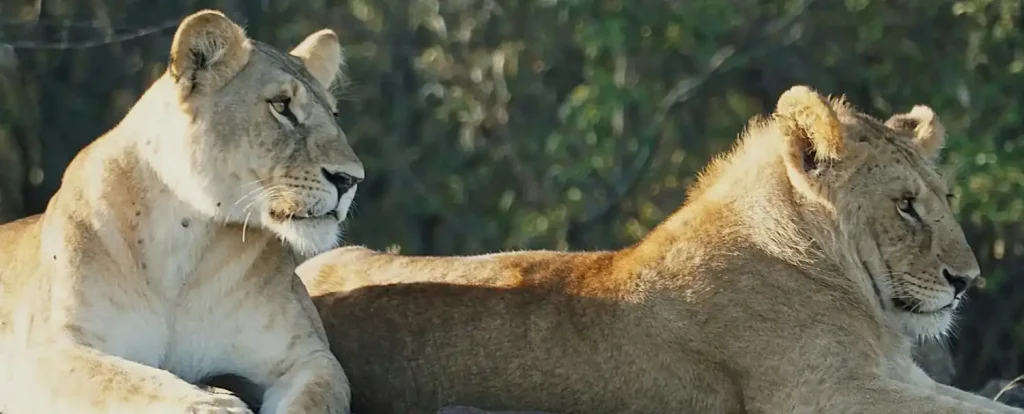
As you explore the park, your first wildlife encounters begin to unfold naturally. Herds of elephant move quietly between the forests and riverbanks, often accompanied by playful calves protected within close family groups. Reticulated giraffes browse high among the acacia trees, while graceful impalas, waterbucks, and Grant’s gazelles graze peacefully across the open plains. Buffalo gather near permanent water sources, and if fortune smiles upon you, your guide may locate one of Meru’s resident lion prides preparing for the evening hunt or perhaps an elusive leopard resting beneath the branches of a sausage tree before darkness falls.
Meru is also recognised as one of Kenya’s finest birdwatching destinations, with more than 400 recorded bird species thriving within its varied habitats. African fish eagles patrol the rivers, brilliantly coloured kingfishers dart across the water, lilac-breasted rollers display their vivid plumage, and majestic martial eagles soar effortlessly overhead. Even travellers with little previous interest in birdlife quickly find themselves captivated by the remarkable diversity found throughout the park.
One of the defining qualities of Meru National Park is the sense of exclusivity it offers. Unlike some of East Africa’s more heavily visited reserves, wildlife sightings here are often enjoyed entirely in private. It is not uncommon to spend long periods exploring without encountering another safari vehicle, allowing every observation to feel authentic, peaceful, and deeply personal. The silence of the wilderness becomes part of the experience, broken only by birdsong, rustling grass, and the distant trumpeting of elephants echoing across the plains.
As the afternoon draws to a close, the African landscape undergoes a breathtaking transformation. Warm golden light spreads across the savannah, casting long shadows behind acacia trees while the surrounding hills glow beneath vibrant shades of amber and crimson. This magical period, often referred to by photographers as the “golden hour,” offers some of the most spectacular opportunities for wildlife photography, with animals beautifully illuminated against Meru’s dramatic scenery.
Returning to your lodge, you are welcomed back with refreshing drinks and warm smiles before enjoying an elegant dinner prepared by talented chefs using the finest locally sourced ingredients. As darkness settles across the park, lanterns illuminate the pathways and the sounds of the African wilderness become your evening soundtrack. Lions begin calling across distant valleys, spotted hyenas communicate beneath the stars, and countless nocturnal creatures emerge to begin another night within this extraordinary ecosystem.
Relax beneath one of the clearest night skies in Africa, where millions of stars stretch from horizon to horizon, untouched by city lights. It is a fitting conclusion to your first day on safari—a day that introduces not only the remarkable wildlife of Kenya but also the timeless rhythm of life in one of East Africa’s last truly wild landscapes.
Tomorrow, your exploration of Meru National Park continues as you venture deeper into this remarkable wilderness, discover the inspiring conservation story of Elsa the lioness, and experience one of Kenya’s most rewarding safari destinations through the eyes of those who know it best.
Accommodation: Elewana Elsa’s Kopje Meru
Day 2: Exploring Meru National Park – Kenya’s Untamed Wilderness
Wake up to the gentle sounds of the African bush as the first rays of sunlight spread across the rolling plains of Meru National Park. The morning air is crisp, birds fill the surrounding forest with their songs, and the distant trumpeting of elephants signals the beginning of another remarkable day on safari. Before breakfast, you set off on an early morning game drive, the most rewarding time to experience the park, as many animals are at their most active before the heat of the day sets in.
Meru National Park is unlike any other safari destination in Kenya. While the Maasai Mara is renowned for its vast open grasslands, Meru is defined by its incredible variety of landscapes. Thirteen permanent rivers flow through the park, creating lush riverine forests that contrast beautifully with open savannahs, acacia woodlands, seasonal swamps, and rocky hills. This diversity of habitats supports an extraordinary concentration of wildlife and makes every game drive wonderfully unpredictable. One moment you may be following elephants through dense palm forests, and the next you are watching graceful giraffes browsing peacefully across the open plains.
As you venture deeper into the park, your guide shares fascinating insights into the delicate balance that sustains this thriving ecosystem. Every river, forest, and grassland plays a vital role in supporting the remarkable diversity of life found here. Meru is home to healthy populations of lions, leopards, cheetahs, elephants, buffaloes, reticulated giraffes, hippos, crocodiles, and numerous species of antelope. With relatively few visitors exploring the park each day, wildlife encounters often feel incredibly personal, allowing you to observe natural behaviour without the distractions of larger crowds.
One of Meru’s greatest treasures is its exceptional birdlife. With more than 400 recorded species, the park is a paradise for bird enthusiasts and photographers alike. African fish eagles patrol the rivers, brilliantly coloured kingfishers dart above the water, while lilac-breasted rollers and bee-eaters add vibrant flashes of colour to the surrounding landscape. Even those new to birdwatching quickly discover that Meru’s rich avian diversity is every bit as captivating as its larger mammals.
Later in the morning, you pause in a scenic location to enjoy a leisurely bush breakfast surrounded by nature. Freshly prepared coffee, tropical fruits, and a delicious breakfast are served beneath the shade of ancient acacia trees while the wilderness continues uninterrupted around you. It is these quiet moments that define luxury safaris in Meru, where there is no rush, only the privilege of experiencing Africa at its natural pace.
Following breakfast, your exploration continues with a visit to one of Kenya’s most significant conservation landmarks—the final resting place of Elsa the Lioness. Made famous through Joy Adamson’s internationally acclaimed Born Free, Elsa’s story transformed global attitudes towards wildlife conservation and introduced millions of people to the importance of protecting Africa’s natural heritage. Visiting this peaceful site offers a meaningful connection to one of the continent’s most inspiring conservation stories and highlights Meru’s lasting place in safari history.
Returning to the lodge during the warmest part of the afternoon, you have time to relax and enjoy the exceptional comfort of your surroundings. Perhaps unwind beside the infinity pool overlooking the park, indulge in a refreshing drink on your private veranda, or simply watch wildlife passing through the landscape below. Even from the lodge, elephants, zebras, and antelope are frequent visitors, reminding you that nature is never far away.
As the afternoon begins to cool, another game drive takes you into a different part of the park where the changing light transforms the scenery into shades of gold and amber. Predators begin to emerge from the shade as the day draws to a close, while elephant families gather along the rivers to drink before nightfall. Every drive offers new surprises, and no two safaris are ever the same. Your guide’s deep understanding of animal behaviour, seasonal movements, and the park’s hidden corners ensures that each outing reveals another fascinating chapter of Meru’s wilderness.
Returning to the lodge as darkness settles across the landscape, you are welcomed with warm hospitality and another beautifully prepared dinner inspired by fresh local ingredients. As you dine beneath a sky illuminated by countless stars, the sounds of nocturnal Africa begin to fill the night. Lions call across the plains, hyenas communicate in the distance, and the gentle chorus of insects creates a peaceful soundtrack that reminds you just how far you have travelled from the modern world.
Today has revealed why Meru National Park remains one of Kenya’s best-kept safari secrets. Its untouched landscapes, remarkable biodiversity, rich conservation history, and sense of complete wilderness create an experience that feels both deeply personal and profoundly authentic. Tomorrow, your journey continues north into the rugged beauty of Samburu National Reserve, where a dramatically different landscape and a collection of rare northern species await your discovery.
Accommodation: Elewana Elsa’s Kopje Meru
Day 3: Journey to Samburu National Reserve – Discover the Land of the Special Five
After a leisurely breakfast overlooking the wilderness of Meru National Park, your safari continues north towards one of Kenya’s most fascinating and distinctive wildlife destinations—Samburu National Reserve. As you travel through the changing landscapes of northern Kenya, you will quickly notice that the scenery begins to transform. The lush riverine forests and fertile plains of Meru gradually give way to a more rugged and dramatic landscape, where rocky hills, open scrublands, doum palms, and vast semi-arid plains dominate the horizon. This striking transition marks your arrival into a completely different ecosystem, one that supports wildlife found almost nowhere else in East Africa.
The journey itself offers an authentic glimpse into northern Kenya. Along the way, you pass traditional Samburu villages, where brightly dressed warriors and pastoralist families continue to preserve a way of life that has remained largely unchanged for generations. Watching herds of cattle, sheep, goats, and camels move across the dry landscape alongside their herders offers a deeper appreciation of the enduring relationship between the Samburu people and this remarkable environment. Your guide shares stories about their customs, traditions, and deep respect for nature, adding cultural richness to your journey long before you enter the reserve.
Arriving at your luxury tented camp in time for lunch, you are welcomed into an oasis of comfort overlooking the life-giving Ewaso Nyiro River, the heartbeat of Samburu National Reserve. The river provides a constant source of water throughout the year, attracting an astonishing variety of wildlife to its banks. From your private veranda, it is not uncommon to watch elephants crossing the river, crocodiles basking in the sunshine, or troops of vervet monkeys and baboons playing among the riverine trees. The peaceful atmosphere of the camp offers the perfect opportunity to relax before your first exploration of this extraordinary wilderness.
Later in the afternoon, you set out on your first game drive through Samburu’s unique landscape. Unlike the rolling grasslands of the Maasai Mara or the river systems of Meru, Samburu is defined by its rugged beauty. Granite outcrops rise dramatically from the plains, ancient acacia trees cast welcome shade across the dry earth, and the Ewaso Nyiro River winds through the reserve, creating a ribbon of life that sustains countless animals throughout the year.
Samburu is internationally renowned for the “Samburu Special Five,” a collection of rare northern species that have adapted perfectly to this arid environment. Your guide begins searching for the elegant Grevy’s zebra, easily recognised by its narrow stripes and large rounded ears, followed by the striking reticulated giraffe, whose beautifully patterned coat resembles an intricate network of geometric shapes. You may also encounter the graceful Beisa oryx, the towering Somali ostrich with its distinctive blue legs and neck, and the remarkable gerenuk, often called the “giraffe gazelle” because of its extraordinary ability to stand upright on its hind legs while feeding from thorny bushes.
These remarkable species make Samburu one of the most distinctive safari destinations in Africa, offering wildlife encounters that cannot easily be experienced elsewhere.
Beyond the Special Five, Samburu is also home to healthy populations of African elephants, lions, leopards, cheetahs, hyenas, buffaloes, and over 450 bird species. The reserve has earned a particularly strong reputation for its elephant conservation efforts, and it is common to encounter large breeding herds moving peacefully along the riverbanks. Many of these elephants are well known to researchers who have studied their family structures and behaviour for decades, making Samburu one of Africa’s most important destinations for understanding elephant conservation.
As the afternoon progresses, the warm northern light transforms the landscape into a stunning palette of gold, copper, and deep orange. The dramatic scenery, combined with the reserve’s unique wildlife, creates exceptional opportunities for photography. Every bend in the river and every rocky hillside reveals another unforgettable scene, whether it is a leopard resting in the branches of an acacia tree or a line of elephants silhouetted against the setting sun.
Returning to camp as darkness settles over the reserve, you are welcomed back with refreshing drinks before enjoying a beautifully prepared dinner beneath the African sky. The sounds of the wilderness provide a fitting soundtrack to the evening, while the nearby river continues to attract wildlife long after sunset. With remarkably little light pollution, the stars shine brilliantly overhead, creating a peaceful end to another extraordinary day.
Today has introduced you to a completely different side of Kenya—one defined by rugged beauty, resilient wildlife, and a rich cultural heritage. Tomorrow, you will spend a full day exploring the remarkable landscapes of Samburu National Reserve, searching for elusive predators, observing the unique wildlife of northern Kenya, and gaining a deeper understanding of one of Africa’s most extraordinary ecosystems.
Accommodation: Elephant Bedroom Camp
Day 4: A Full Day Exploring Samburu National Reserve – Kenya’s Wild Northern Frontier
Today is dedicated to discovering the extraordinary wilderness of Samburu National Reserve, one of Kenya’s most rewarding safari destinations. While many visitors associate Kenya with the sweeping grasslands of the Maasai Mara, Samburu offers something entirely different. This is a land shaped by rugged beauty, where the harsh semi-arid environment has created a unique ecosystem unlike anywhere else in East Africa. Every game drive reveals wildlife specially adapted to survive in these challenging conditions, making Samburu one of the most fascinating parks for both first-time visitors and seasoned safari enthusiasts.
Your day begins before sunrise as you leave camp in the cool morning air. Dawn is one of the most magical times to explore Samburu. The first light illuminates the surrounding hills, while the Ewaso Nyiro River reflects the soft colours of the awakening sky. Many predators remain active after hunting during the night, giving you an excellent opportunity to search for lions resting after a successful hunt, elusive leopards hidden among riverine trees, or cheetahs scanning the open plains before the day’s heat arrives.
One of Samburu’s greatest attractions is its healthy population of African elephants. The reserve is home to some of Kenya’s most intensively studied elephant families, many of which have been monitored by conservationists for decades. Watching these magnificent animals interact is one of the highlights of any visit. You may observe protective mothers guiding young calves across the river, playful juveniles testing their strength, or enormous tuskers feeding quietly beneath ancient doum palms. Your guide explains the complex social bonds that exist within elephant families, offering fascinating insight into the intelligence and behaviour of these gentle giants.
As the morning continues, you venture into different parts of the reserve in search of the remarkable wildlife that makes Samburu so distinctive. The famous Samburu Special Five may once again appear, but the reserve offers far more than these celebrated species. Grant’s gazelles, impalas, dik-diks, warthogs, olive baboons, vervet monkeys, and crocodiles thrive throughout the park, while more than 450 bird species make Samburu a paradise for birdwatchers. Colourful bee-eaters, secretary birds, martial eagles, kingfishers, and the impressive vulturine guineafowl are just a few of the many birds that flourish within this diverse landscape.
Mid-morning, you pause for breakfast at a carefully selected location overlooking the reserve. Surrounded by breathtaking scenery and accompanied by the peaceful sounds of nature, you enjoy freshly prepared food while taking in uninterrupted views of the surrounding wilderness. These unhurried moments are part of what makes a luxury safari so memorable, allowing you to slow down and truly appreciate the rhythm of life in the African bush.
Returning to camp during the warmer hours of the afternoon, there is time to relax before your evening safari. Enjoy lunch overlooking the river, take a refreshing swim, or simply unwind on your private deck as wildlife wanders through the surrounding landscape. The Ewaso Nyiro River remains a constant source of activity throughout the day, attracting elephants, antelope, birds, and occasionally predators that come to drink from its life-giving waters.
Later in the afternoon, you head out once more as temperatures begin to fall and wildlife becomes increasingly active. Your guide takes you to areas known for predator activity while continuing to interpret the subtle signs of the bush. Fresh tracks, alarm calls, and changing animal behaviour often lead to remarkable sightings that reward patience and experience. Every game drive is different, and that unpredictability is one of the greatest joys of safari.
If you wish to enrich your understanding of the region, an optional visit to a traditional Samburu village can be arranged. Here, you will be welcomed by members of the local community, who share their customs, traditional dances, colourful beadwork, and centuries-old pastoral way of life. These respectful cultural encounters provide valuable insight into the close relationship the Samburu people maintain with the wildlife and landscapes that surround them, adding another meaningful dimension to your safari experience.
As the sun sets over the rugged hills of northern Kenya, the reserve glows with rich shades of amber and gold. Returning to camp, you gather around the campfire to reflect on another unforgettable day before enjoying a beautifully prepared dinner beneath a sky filled with countless stars. The peaceful sounds of the wilderness accompany your evening, while the river continues to sustain the wildlife that has made Samburu one of Kenya’s most remarkable safari destinations.
Tomorrow, your journey leads south into the renowned Ol Pejeta Conservancy, where exceptional wildlife viewing combines with one of Africa’s most inspiring conservation success stories, offering the opportunity to encounter endangered species while learning about the future of wildlife conservation in East Africa.
Accommodation: Elephant Bedroom Camp
Day 5: Ol Pejeta Conservancy – A Safari with Purpose in Kenya’s Leading Conservation Sanctuary
After breakfast, you leave the rugged landscapes of Samburu behind and journey south into the beautiful Laikipia Plateau, one of Kenya’s most celebrated conservation regions. As the scenery changes once again, dry scrubland gradually gives way to rolling plains, fertile ranchlands, and the towering silhouette of Mount Kenya rising in the distance. This region has become a global model for sustainable conservation, where wildlife protection, community development, and responsible tourism work together to preserve some of Africa’s most endangered species.
By late morning, you arrive at Ol Pejeta Conservancy, a remarkable wildlife sanctuary covering more than 90,000 acres of protected wilderness. Unlike a traditional national park, Ol Pejeta is a privately managed conservancy dedicated not only to exceptional safari experiences but also to groundbreaking conservation initiatives. It is home to East Africa’s largest population of black rhinos, one of Kenya’s largest populations of white rhinos, and the last two remaining northern white rhinos on Earth. Every visit directly supports ongoing conservation efforts, making your safari here both memorable and meaningful.
Your first stop is the renowned Sweetwaters Chimpanzee Sanctuary, the only sanctuary in Kenya dedicated to rescued chimpanzees. Established in partnership with the Jane Goodall Institute, the sanctuary provides lifelong care for chimpanzees rescued from illegal wildlife trafficking, conflict zones, and captivity. As you observe these intelligent primates moving through their natural forest habitat, your guide explains their individual stories, the challenges facing chimpanzee conservation across Africa, and the remarkable work being done to give them a safe future. It is a moving experience that highlights the importance of protecting not only wildlife but also the ecosystems on which they depend.
After lunch at your luxury camp, there is time to relax before setting out on one of the most unforgettable experiences of your safari. Accompanied by your guide, you visit the endangered species enclosure, where you meet Baraka, the conservancy’s famous blind black rhino. Despite losing his sight many years ago, Baraka has become an ambassador for rhino conservation, allowing visitors to appreciate the resilience of one of Africa’s most iconic animals while learning about the threats rhinos continue to face from poaching and habitat loss.
The visit continues to one of the most significant conservation sites in the world, where the last two surviving northern white rhinos live under constant protection. Their story is both inspiring and deeply emotional. Once widespread across Central Africa, the northern white rhino has been driven to the edge of extinction through decades of poaching and habitat destruction. Although only two females remain today, scientists and conservationists continue to work tirelessly on advanced breeding programmes that may one day help restore the species. Standing just a short distance from these extraordinary animals is a rare privilege and a powerful reminder of why conservation matters.
Later in the afternoon, your safari continues with a game drive across the conservancy’s open plains. Ol Pejeta offers outstanding wildlife viewing throughout the year, with healthy populations of elephants, lions, leopards, buffaloes, giraffes, zebras, hyenas, and numerous antelope species. The open landscape allows excellent visibility, while the dramatic backdrop of snow-capped Mount Kenya often creates spectacular photographic opportunities. Your guide carefully interprets animal behaviour and explains how the conservancy balances wildlife conservation with sustainable livestock management, an innovative approach that has become a model for protected areas across Africa.
As the golden light of evening settles across the plains, you return to your luxury camp, where attentive hospitality and elegant comfort await. Surrounded by the peaceful sounds of the African bush, you enjoy a beautifully prepared dinner while reflecting on a day that has combined exceptional wildlife encounters with some of the most important conservation stories on the continent.
Today has demonstrated that a safari can be about far more than simply seeing wildlife. It can also be an opportunity to understand the challenges facing Africa’s endangered species and to contribute directly to their future. Tomorrow, your journey continues into the Great Rift Valley as you travel to the beautiful landscapes of Lake Nakuru National Park, a sanctuary renowned for its rhinos, Rothschild’s giraffes, rich birdlife, and breathtaking lakeside scenery.
Accommodation: Mutara Camp
Day 6: Lake Nakuru National Park – A Sanctuary of Rhinos, Flamingos and Rift Valley Beauty
This morning, your safari continues south into the spectacular Great Rift Valley, one of Africa’s most remarkable geological wonders. Stretching for thousands of kilometres from the Middle East to Mozambique, the Rift Valley has shaped many of East Africa’s most iconic landscapes, including the soda lakes, escarpments, volcanic mountains, and fertile plains that support an extraordinary diversity of wildlife. As you descend the escarpment, panoramic viewpoints reveal breathtaking vistas across the valley floor, offering the perfect introduction to your next destination—Lake Nakuru National Park.
Although one of Kenya’s smaller national parks, Lake Nakuru is widely regarded as one of the country’s finest wildlife sanctuaries. Its compact size, diverse habitats, and excellent road network allow for exceptional game viewing, while its status as a protected rhino sanctuary makes it one of the best places in East Africa to observe both black and white rhinos in their natural environment. The park also protects acacia woodlands, euphorbia forests, rocky ridges, open grasslands, freshwater springs, and the alkaline waters of Lake Nakuru itself, creating a rich mosaic of ecosystems within a relatively small area.
Arriving at your luxury lodge in time for lunch, you are welcomed with sweeping views across the lake and surrounding escarpments. Whether relaxing on your private terrace or enjoying a leisurely meal overlooking the park, wildlife is never far away. Buffaloes often graze close to the lodge, baboons wander through the gardens, while giraffes move gracefully between the yellow-barked acacia trees that have become synonymous with Lake Nakuru’s beautiful landscape.
Later in the afternoon, you set out on your first game drive through the park. Almost immediately, it becomes clear why Lake Nakuru has earned such a distinguished reputation among wildlife enthusiasts. The park supports one of Kenya’s most successful rhino conservation programmes, and sightings of both endangered black rhinos and southern white rhinos are remarkably common. Watching these prehistoric-looking animals grazing peacefully against the backdrop of the Rift Valley is one of the highlights of any visit, offering both incredible photographic opportunities and a deeper appreciation for Kenya’s long-standing commitment to wildlife conservation.
As your exploration continues, you may encounter large herds of Cape buffalo, elegant Rothschild’s giraffes, waterbucks feeding near the shoreline, zebras grazing across the open plains, and troops of olive baboons moving through the forests. Lake Nakuru is also home to healthy populations of lions and the elusive leopard, often spotted resting high in the branches of acacia trees or quietly patrolling the park’s woodland edges as evening approaches.
The lake itself remains one of the park’s defining features. While seasonal water levels influence the number of flamingos that gather along its shores, Lake Nakuru continues to attract an extraordinary variety of birdlife throughout the year. Pelicans glide gracefully across the water, African fish eagles patrol overhead, cormorants dry their wings along the shoreline, and colourful kingfishers, herons, and storks thrive within the surrounding wetlands. With more than 450 recorded bird species, the park offers exceptional opportunities for both casual birdwatchers and dedicated ornithologists.
During your afternoon drive, your guide may take you to one of the park’s scenic viewpoints overlooking the lake and the surrounding Rift Valley. From these elevated lookouts, the scale and beauty of Lake Nakuru become truly apparent. The shimmering waters, framed by forests and distant escarpments, create one of Kenya’s most picturesque safari landscapes and provide an entirely different perspective from the vast open plains of the parks you have already explored.
As the afternoon light softens, wildlife becomes increasingly active once again. Rhinos continue grazing in the open, giraffes cast long shadows across the grasslands, and predators begin preparing for another evening in the wild. The changing colours of the landscape, combined with the peaceful atmosphere of the park, create a fitting conclusion to another rewarding day on safari.
Returning to your luxury lodge, you are welcomed with warm hospitality before enjoying an elegant dinner overlooking the park. As darkness settles across the Rift Valley, the distant calls of hyenas and the gentle sounds of the African night remind you that this remarkable ecosystem remains wonderfully alive long after the sun has disappeared.
Tomorrow, you will spend a full day exploring Lake Nakuru National Park in greater depth, searching for elusive predators, discovering hidden corners of this remarkable sanctuary, and experiencing one of Kenya’s most successful wildlife conservation stories from the perspective of those who know the park best.
Accommodation: The Cliff Camp
Day 7: A Full Day in Lake Nakuru National Park – Wildlife, Scenic Viewpoints and Remarkable Conservation
Your second day in Lake Nakuru National Park allows you to experience this remarkable sanctuary at a more relaxed pace. While many visitors pass through the park in just a few hours, spending a full day here reveals its true character. Every section of the park offers a different landscape, from dense acacia forests and rocky escarpments to open grasslands and lakeshore wetlands, each supporting its own unique wildlife and ecological importance.
The day begins with an early morning game drive, when the cool temperatures encourage animals to remain active before retreating from the midday heat. The soft golden light of dawn creates perfect conditions for photography, while the quiet atmosphere allows you to appreciate the sounds of the wilderness. As you travel through the park, your guide searches for some of Lake Nakuru’s most sought-after residents, including lions resting after their nighttime hunts and the elusive leopard, often spotted moving silently through the yellow-barked acacia woodland. Lake Nakuru is one of the few parks in Kenya where both black and white rhinos are frequently encountered during a single game drive, making every outing an exciting opportunity to observe these endangered animals in their natural habitat.
One of the park’s greatest conservation achievements has been the successful protection and breeding of the endangered Rothschild’s giraffe. Once facing severe population decline across East Africa, these elegant giraffes now thrive within the safety of Lake Nakuru National Park. Their distinctive pale coats and graceful movements make them one of the park’s most photographed species, particularly as they browse among the acacia trees with the dramatic Rift Valley escarpment rising behind them.
As the morning unfolds, your guide shares fascinating insights into the delicate balance that sustains this unique ecosystem. The alkaline waters of Lake Nakuru support microscopic algae that provide food for thousands of waterbirds, while the surrounding forests and grasslands create ideal habitats for herbivores and predators alike. Although flamingo numbers naturally fluctuate depending on water levels and food availability, the lake remains one of East Africa’s most important wetland ecosystems and continues to attract an incredible diversity of birdlife throughout the year. Pelicans, African fish eagles, saddle-billed storks, herons, egrets, and colourful kingfishers are just a few of the many species that make this park a paradise for bird enthusiasts.
After an enjoyable morning exploring the park, you return to your luxury lodge for a leisurely lunch overlooking the surrounding landscape. The afternoon offers an opportunity to relax and enjoy the comfort of your accommodation before heading back into the wilderness as wildlife becomes active once again. Whether you choose to unwind on your private terrace, enjoy panoramic views across the lake, or simply watch animals wandering near the lodge, these quieter moments are an important part of the luxury safari experience.
Your afternoon game drive explores different areas of the park, revealing habitats that may have been missed earlier in the day. Buffaloes gather in large herds across the grasslands, waterbucks graze peacefully near freshwater streams, while troops of baboons and vervet monkeys move through the forests in search of food. If luck is on your side, you may witness one of the park’s predators stalking prey as the cooler evening temperatures bring renewed activity across the landscape.
Before returning to the lodge, your guide pauses at one of Lake Nakuru’s spectacular viewpoints overlooking the lake and the Great Rift Valley. From this elevated position, the entire park unfolds before you, offering breathtaking views of shimmering water, acacia woodland, rocky cliffs, and distant hills that define one of Kenya’s most beautiful national parks. It is a fitting place to reflect on the remarkable diversity of wildlife and landscapes you have experienced during your stay.
As the sun slowly disappears behind the Rift Valley escarpment, you make your way back to the lodge for another evening of exceptional hospitality. A beautifully prepared dinner awaits, accompanied by the peaceful sounds of the African bush and the warm glow of the evening fire. Looking back over the past two days, it becomes clear why Lake Nakuru remains one of Kenya’s most treasured conservation areas. Its successful rhino protection programmes, extraordinary birdlife, scenic beauty, and abundant wildlife combine to create a safari experience that is both rewarding and deeply memorable.
Tomorrow, your journey continues to the legendary Maasai Mara National Reserve, where vast golden plains, remarkable predator populations, and—depending on the season—the Great Wildebeest Migration await in one of Africa’s most iconic safari destinations.
Accommodation: The Cliff Camp
Day 8: Welcome to the Legendary Maasai Mara – Kenya’s Ultimate Safari Destination
After an early breakfast, you leave the Great Rift Valley behind and begin one of the most anticipated chapters of your safari—your journey to the world-famous Maasai Mara National Reserve. The drive takes you through the heart of rural Kenya, where fertile farmlands gradually give way to rolling hills and open rangelands inhabited by the Maasai people. Dressed in their distinctive red shúkàs, Maasai herders can often be seen guiding their cattle across the plains, preserving a pastoral lifestyle that has coexisted with wildlife for centuries. It is a landscape where culture and conservation remain closely connected, setting the stage for one of Africa’s greatest wildlife experiences.
As you approach the reserve, the scenery opens into the endless golden grasslands that have made the Maasai Mara famous around the world. This vast ecosystem forms the northern extension of Tanzania’s Serengeti National Park, together creating one of the largest and most important wildlife conservation areas on Earth. Covering thousands of square kilometres, the Serengeti-Mara ecosystem supports an astonishing diversity of wildlife throughout the year and hosts the spectacular Great Wildebeest Migration, one of the greatest natural events on the planet.
Entering the reserve is an experience in itself. Wildlife often appears almost immediately, and your transfer naturally becomes your first game drive. Herds of plains zebras, graceful Thomson’s gazelles, topis, and impalas graze across the open savannah, while towering giraffes browse among scattered acacia trees. Massive herds of African buffalo move slowly through the grasslands, and elephants frequently emerge from wooded valleys, crossing the plains with remarkable calm. Every kilometre travelled brings new opportunities for wildlife encounters, making the journey to your camp just as exciting as the destination itself.
Your guide carefully interprets the landscape as you travel, explaining how the Mara’s permanent rivers, nutrient-rich volcanic soils, and seasonal rainfall create one of the most productive ecosystems in Africa. These favourable conditions support large herbivore populations, which in turn sustain an exceptional concentration of predators. This intricate balance of nature is the reason the Maasai Mara consistently ranks among the finest safari destinations in the world, offering outstanding wildlife viewing during every month of the year.
Around midday, you arrive at your luxury safari lodge or tented camp, beautifully positioned within or bordering the reserve. Designed to immerse you in nature without compromising comfort, your accommodation combines elegant interiors, attentive service, and breathtaking views across the surrounding wilderness. After a refreshing welcome and a delicious lunch prepared with fresh local ingredients, you have time to relax before your afternoon safari begins. From your private deck, you may already spot elephants feeding nearby, giraffes wandering across the plains, or colourful birdlife moving through the surrounding trees.
As temperatures begin to cool, you head out on your first afternoon game drive in the Maasai Mara. Few places in Africa rival the reserve for predator sightings, and your experienced guide uses years of local knowledge to search for the animals that have made the Mara legendary. Lions rest beneath balanite trees after the heat of the day, cheetahs scan the plains from termite mounds in search of hunting opportunities, while elusive leopards often remain hidden within riverine forests bordering the Mara and Talek Rivers. Every game drive follows the rhythms of nature, and patience is often rewarded with unforgettable wildlife encounters.
If your safari takes place between July and October, this afternoon may also introduce you to the extraordinary spectacle of the Great Wildebeest Migration. During these months, hundreds of thousands of wildebeest, accompanied by zebras and gazelles, move into the Maasai Mara after crossing the crocodile-filled Mara River from Tanzania’s Serengeti. Witnessing these immense herds spread across the horizon is one of Africa’s most remarkable wildlife experiences. Even outside the migration season, however, the reserve remains exceptionally rich in resident wildlife, ensuring outstanding game viewing throughout the year.
As the golden light of evening settles across the savannah, the Mara reveals another side of its beauty. The warm colours of sunset transform the landscape into a photographer’s dream, with silhouettes of giraffes, elephants, and acacia trees standing proudly against a brilliant African sky. It is during these peaceful moments that many travellers fall in love with the Maasai Mara—not only for its extraordinary wildlife but also for its timeless atmosphere and endless sense of space.
Returning to camp, you are welcomed with refreshments before gathering around the campfire as darkness slowly envelops the plains. Stories of the day’s sightings are shared over a beautifully prepared dinner, while the distant roar of lions and the calls of hyenas remind you that the wilderness remains wonderfully alive beyond the glow of the lanterns.
Today marks the beginning of your exploration of one of Africa’s greatest wildlife destinations. Tomorrow, you will spend a full day discovering the hidden corners of the Maasai Mara, tracking its iconic predators, searching for remarkable wildlife encounters, and experiencing the true rhythm of life on Kenya’s most celebrated savannah.
Accommodation: Mara Serena Safari Lodge
Day 9: A Full Day on Safari in the Maasai Mara – Following the Rhythm of Africa’s Greatest Wilderness
There are few experiences in the world that compare to spending an entire day exploring the vast plains of the Maasai Mara National Reserve. With no long road transfers or fixed schedules, today is devoted entirely to discovering one of Africa’s richest wildlife ecosystems. Every game drive follows the natural rhythm of the bush, allowing your guide to adapt the day according to recent wildlife movements, fresh predator tracks, changing weather conditions, and seasonal migration patterns. This flexibility is one of the greatest advantages of a private luxury safari, where every day unfolds differently.
Your adventure begins before sunrise as the first light spreads across the endless savannah. The cool morning hours offer the best opportunity to observe predators before they retreat into the shade. Lions often remain active after a night of hunting, while cheetahs use the early light to search for gazelles across the open plains. Leopards, the most elusive of the Mara’s big cats, may still be found resting in the branches of sausage trees or quietly moving along the dense riverine forests that line the Mara, Talek, and Sand Rivers. Your guide carefully reads the landscape, interpreting fresh tracks, alarm calls from antelope, and the behaviour of scavenging birds to increase your chances of unforgettable sightings.
The Maasai Mara is home to one of the highest concentrations of large predators anywhere in Africa. Several well-established lion prides occupy territories throughout the reserve, and it is not unusual to spend time observing cubs playing beneath the watchful eyes of lionesses or dominant males patrolling their territory. Cheetahs favour the open grasslands, where their remarkable speed gives them an advantage when hunting Thomson’s gazelles and impalas. Hyenas, often misunderstood, reveal their remarkable intelligence and complex social structures as they patrol the plains in highly organised clans, while black-backed jackals quietly search for opportunities around larger predators.
Beyond its famous carnivores, the Maasai Mara supports extraordinary numbers of herbivores throughout the year. Large herds of elephants move steadily between woodlands and marshes, often stopping to dust themselves with the rich red soil that characterises the reserve. Buffaloes gather in impressive numbers across the grasslands, while giraffes browse peacefully among umbrella acacias. Topis, elands, hartebeests, waterbucks, warthogs, and countless antelope species create a thriving prey base that sustains the reserve’s abundant predator population. Every species plays a vital role in maintaining the remarkable ecological balance that has made the Mara one of the world’s most celebrated safari destinations.
If you are travelling during the Great Wildebeest Migration, today’s safari may centre around one of nature’s greatest spectacles. Between approximately July and October, more than 1.5 million wildebeest, accompanied by hundreds of thousands of zebras and gazelles, spread across the Mara after crossing from Tanzania’s Serengeti. Your guide closely follows daily herd movements, using local knowledge and radio communication to position you in the best areas for meaningful wildlife encounters. Rather than simply rushing to where other vehicles gather, experienced guides understand how to anticipate animal behaviour, often allowing you to witness dramatic moments in a quieter and more respectful setting.
Should conditions allow, you may visit one of the Mara River crossing points where migrating herds gather before making the dangerous crossing. These dramatic moments require patience, as the animals often hesitate for hours before finally committing to the river. When they do, the scene is unforgettable. Thousands of wildebeest plunge into the fast-flowing water, navigating strong currents while Nile crocodiles wait below. Yet even beyond the excitement of a river crossing, the migration is remarkable for its sheer scale, with wildlife stretching across the horizon as far as the eye can see.
Midway through the day, you pause for a beautifully prepared picnic lunch in a carefully selected location within the reserve. Surrounded by the sounds of the African wilderness, you enjoy a leisurely meal while taking in panoramic views of the savannah. It is an opportunity to absorb the immense scale of the Mara and appreciate the privilege of spending an uninterrupted day in one of the planet’s last great natural ecosystems.
The afternoon brings another opportunity to explore different habitats within the reserve. Your guide may visit the Mara’s seasonal marshes, where elephants, hippos, and numerous bird species gather, or head towards the rolling plains favoured by cheetahs and grazing herbivores. Every area offers something different, ensuring that no two game drives are ever alike. Along the way, your guide shares fascinating insights into animal behaviour, predator-prey relationships, the annual migration cycle, and the ongoing conservation efforts that help protect this globally important ecosystem.
As the sun begins its slow descent, the golden light transforms the landscape into one of Africa’s most iconic scenes. Acacia trees cast long shadows across the plains, elephants become silhouettes against the horizon, and the sky fills with brilliant shades of orange, crimson, and purple. These final moments of the day often provide some of the most memorable photographs and lasting impressions of the Maasai Mara.
Returning to camp in the evening, you are welcomed with warm hospitality and another exceptional dinner prepared by talented chefs. Gather around the campfire beneath a sky illuminated by countless stars, sharing stories of the day’s remarkable sightings while listening to the distant calls of lions echoing across the plains. It is the perfect conclusion to a day that captures everything that makes the Maasai Mara one of the finest safari destinations in the world.
Tomorrow, your East African adventure continues as you journey across the Kenya–Tanzania border into the legendary Serengeti National Park, where even greater wilderness, endless plains, and one of Africa’s oldest ecosystems await.
Accommodation: Mara Serena Safari Lodge
Day 10: From the Maasai Mara to the Serengeti – Crossing into Tanzania’s Endless Plains
After an early breakfast in the Maasai Mara, you bid farewell to Kenya’s iconic savannah and begin an exciting new chapter of your safari as you travel south toward the Tanzania border. Although the Maasai Mara and Serengeti are often spoken of as separate destinations, they are in fact one continuous ecosystem. Wildlife moves freely across this vast landscape, following seasonal rains and fresh grazing, completely unaware of the international boundary that separates the two countries. Today, you will experience this remarkable transition firsthand as your safari expands into the heart of Tanzania.
Your journey takes you through Maasai communities and rolling countryside before arriving at the Isebania border crossing, where your guide assists with immigration and customs formalities. The crossing is smooth and well organised, allowing you to continue your adventure with minimal interruption. On the Tanzanian side, you are warmly welcomed by your local safari guide, whose deep knowledge of the Serengeti ecosystem will enrich the next stage of your journey.
As you continue toward Serengeti National Park, the scenery begins to change once again. The roads pass through rural villages, cultivated farmland, and traditional Maasai settlements before opening into vast, seemingly endless grasslands. The name Serengeti comes from the Maasai word “Siringet,” meaning the place where the land runs forever. It is an appropriate description, as the horizon stretches uninterrupted in every direction, creating one of the most awe-inspiring landscapes in Africa.
Once inside the national park, your transfer becomes an exciting game drive. Every kilometre offers the possibility of extraordinary wildlife encounters. Herds of zebras and wildebeest graze across the plains, giraffes browse among scattered acacia trees, while elephants move slowly between seasonal watercourses. The Serengeti supports one of the highest densities of large mammals on Earth, and even your first afternoon in the park offers outstanding opportunities for wildlife viewing.
Your guide introduces you to the unique ecology of the Serengeti, explaining how volcanic soils, seasonal rainfall, and nutrient-rich grasses have shaped one of the world’s most productive ecosystems. These fertile plains sustain millions of grazing animals, which in turn support an exceptional concentration of predators. Lions, cheetahs, leopards, spotted hyenas, and African wild dogs all depend on this delicate balance, making the Serengeti one of the finest places anywhere to observe predator-prey interactions in their natural setting.
Depending on the time of year, your route through the park may intersect with different stages of the Great Wildebeest Migration. Unlike many people imagine, the migration is not a single event but a continuous annual cycle. Between December and March, the southern Serengeti becomes the nursery for hundreds of thousands of newborn wildebeest calves. From April through June, the herds move gradually northwest, while July to October sees dramatic river crossings along the Mara River. During November, the animals begin their return south as the short rains refresh the grasslands. Wherever you visit within the Serengeti, your guide carefully follows these seasonal movements to maximise your wildlife experience.
By late afternoon, you arrive at your luxury safari lodge, beautifully positioned within the Serengeti’s vast wilderness. Designed to complement its natural surroundings, the lodge combines contemporary comfort with authentic safari charm. Spacious suites, panoramic views, exceptional cuisine, and attentive hospitality provide the perfect retreat after a day of exploration. From your private terrace, you may watch zebras grazing nearby or hear lions calling across the plains as the sun begins to set.
As the golden light bathes the Serengeti in warm shades of amber and bronze, you set out on a short evening game drive around the surrounding area, taking advantage of the cooler temperatures when wildlife becomes increasingly active. Large prides of lions often begin preparing for the night ahead, while cheetahs make their final scans across the plains before darkness falls. Every drive offers a new perspective on this extraordinary wilderness, where nature has remained largely unchanged for thousands of years.
Returning to the lodge, you enjoy a beautifully prepared dinner beneath Africa’s star-filled sky. Far from towns and city lights, the Serengeti offers some of the clearest night skies on the continent. As you relax beside the campfire, the distant sounds of roaring lions, calling hyenas, and chirping insects create an unforgettable atmosphere that only the African wilderness can provide.
Today has taken you across borders but deeper into one of the greatest wildlife ecosystems on Earth. Tomorrow, you will spend a full day exploring the legendary Serengeti, searching for its famous big cats, discovering its hidden corners, and experiencing the extraordinary natural rhythms that have made this UNESCO World Heritage Site one of Africa’s ultimate safari destinations.
Accommodation: Meliá Serengeti Lodge
Day 11: A Full Day in Serengeti National Park – Exploring Africa’s Greatest Wildlife Theatre
Today is devoted entirely to discovering the extraordinary wilderness of Serengeti National Park, a destination that has become synonymous with the African safari. Covering nearly 15,000 square kilometres of protected wilderness, the Serengeti is one of the oldest and most intact ecosystems on Earth. Its landscapes have remained remarkably unchanged for millions of years, allowing wildlife to follow the same ancient migration routes that have existed since long before the arrival of humans. Spending a full day here allows you to appreciate not only the incredible abundance of wildlife but also the delicate ecological processes that make the Serengeti one of the world’s greatest natural wonders.
Your day begins before sunrise, when the cool morning air brings the plains to life. As dawn breaks across the horizon, predators are still active after a night of hunting, making this one of the most rewarding times for wildlife viewing. Your guide carefully studies fresh tracks in the sandy roads, listens for alarm calls from impalas and zebras, and watches the movements of scavenging birds overhead. These subtle signs often reveal where lions, leopards, or cheetahs may be found, turning every morning drive into an exciting wildlife investigation guided by experience rather than chance.
The Serengeti is home to one of Africa’s largest lion populations, with several thousand individuals living throughout the ecosystem. Many prides have occupied the same territories for generations, and experienced guides know where these families are most likely to be found depending on the season. You may encounter lionesses resting with young cubs beneath acacia trees, powerful males patrolling their territory, or an entire pride gathering after a successful hunt. These extended observations provide a fascinating opportunity to understand the complex social behaviour that makes lions unique among the world’s big cats.
The open grasslands also provide ideal habitat for cheetahs, whose incredible speed makes them perfectly adapted to hunting in the Serengeti’s expansive plains. Often seen resting on termite mounds or small rocky outcrops known as kopjes, cheetahs use these elevated vantage points to scan the surrounding grasslands for unsuspecting prey. Leopards, by contrast, prefer the riverine forests and dense woodland, where they rely on camouflage and patience rather than speed. Finding one hidden in the branches of a sausage tree or draped gracefully across an acacia limb is always a memorable highlight of a Serengeti safari.
Throughout the morning, enormous herds of wildebeest, zebras, buffaloes, gazelles, topis, hartebeests, and elands move steadily across the plains. Even outside the migration season, the Serengeti supports extraordinary numbers of resident herbivores that provide a constant food source for predators. Your guide explains how grazing animals, predators, scavengers, insects, birds, and even termites all contribute to the health of this remarkable ecosystem, creating one of the most balanced and productive wildlife environments on the planet.
If your visit coincides with the Great Wildebeest Migration, your guide follows the latest herd movements to position you where wildlife activity is greatest. Unlike fixed attractions, the migration changes daily as millions of animals respond to rainfall and fresh grazing opportunities. Experienced local guides understand these seasonal patterns and work together to locate the most rewarding wildlife sightings while avoiding unnecessary congestion. Whether watching thousands of wildebeest spread across the plains, witnessing newborn calves taking their first steps, or observing predators following the herds, every encounter tells another chapter of one of nature’s greatest survival stories.
Around midday, you enjoy a picnic lunch at a designated site within the park, surrounded by the vast Serengeti landscape. As you relax beneath the shade of an acacia tree, your guide shares stories of the park’s history, the work of early conservationists, and the scientific discoveries that continue to emerge from this globally important ecosystem. It is an opportunity to pause, absorb the scenery, and appreciate the privilege of spending an entire day immersed in one of Africa’s last great wilderness areas.
The afternoon game drive explores different habitats within the park, revealing yet another side of the Serengeti. You may visit seasonal rivers where elephants gather to drink, rocky kopjes that provide shelter for lions and hyraxes, or open plains where giraffes browse peacefully alongside zebras and antelope. Every landscape supports different wildlife, ensuring that each drive offers fresh discoveries and unique photographic opportunities.
As the afternoon light begins to soften, the Serengeti transforms into a breathtaking canvas of golden grasslands stretching endlessly towards the horizon. Elephants cast long shadows across the plains, giraffes move gracefully through scattered acacias, and the evening sky glows with rich shades of orange, crimson, and violet. These final hours of daylight are among the most beautiful of the safari, offering unforgettable moments that capture the timeless spirit of Africa.
Returning to your luxury lodge, you are welcomed with warm hospitality and another exceptional dinner prepared by talented chefs. As you reflect on the day’s extraordinary wildlife encounters, the distant roar of lions and the haunting calls of hyenas remind you that the Serengeti never truly sleeps. Beneath a sky filled with countless stars, you begin to understand why this legendary national park has inspired explorers, filmmakers, photographers, and wildlife lovers from around the world for generations.
Tomorrow, your exploration of the Serengeti continues as you venture deeper into its endless plains, following seasonal wildlife movements and uncovering even more of the extraordinary biodiversity that makes this UNESCO World Heritage Site one of the finest safari destinations on Earth.
Accommodation: Meliá Serengeti Lodge
Day 12: Deeper into the Serengeti – Following the Great Migration and Africa’s Circle of Life
Another sunrise over the Serengeti brings fresh opportunities to experience one of the world’s most extraordinary wildlife landscapes. No two days are ever the same here. The movements of wildlife constantly change with the seasons, the availability of water, and the growth of nutrient-rich grasses. Rather than following a fixed route, today’s safari is carefully planned according to the latest wildlife activity, allowing your guide to take you where nature is unfolding in real time. This flexibility is one of the defining advantages of travelling with an experienced local guide who understands the Serengeti’s rhythms throughout the year.
As the morning unfolds, you travel deeper into the ecosystem, exploring areas that many visitors never reach. Depending on the season, your guide may lead you across the famous plains of Seronera, where permanent water supports exceptional resident wildlife throughout the year, or towards the southern short-grass plains, the western corridor, or the northern reaches of the park where the Great Wildebeest Migration follows its annual cycle. Every region offers a completely different safari experience, and understanding these seasonal movements is the key to experiencing the Serengeti at its very best.
One of the greatest misconceptions about the Great Wildebeest Migration is that it revolves solely around dramatic river crossings. In reality, the migration is a year-round journey driven by rainfall, fresh grazing, and the instinct to survive. More than 1.5 million wildebeest, accompanied by hundreds of thousands of zebras and Thomson’s gazelles, continuously move through the Serengeti-Mara ecosystem in search of nutritious grass. Each stage of this remarkable cycle offers its own unforgettable experiences, from the calving season in the southern plains to the dramatic river crossings in the north and the long columns of migrating herds stretching across the central Serengeti.
If your visit coincides with the calving season between late January and March, you may witness one of nature’s most extraordinary events. Thousands of wildebeest calves are born every day across the southern Serengeti, transforming the plains into a vast nursery. Within minutes of birth, newborn calves struggle to their feet and begin following their mothers, an essential survival instinct in a landscape where predators are never far away. This abundance of vulnerable young animals also attracts lions, cheetahs, hyenas, and leopards, creating one of the highest concentrations of predator activity anywhere in Africa.
During the dry season, when the migration moves north, your safari focuses on tracking the herds as they navigate the Serengeti’s diverse landscapes. Watching thousands of wildebeest travel together is an experience unlike any other. Dust rises above the plains, zebras call to one another as they maintain close family groups, and the continuous movement of animals creates an ever-changing panorama that extends far beyond the horizon. Even when the migration is not concentrated in one area, the Serengeti’s abundant resident wildlife ensures exceptional game viewing throughout the year.
Your guide explains that every species plays an important role within this remarkable ecosystem. Wildebeest consume older grasses, making way for fresh growth that benefits zebras and gazelles. Their movement naturally fertilises the soil, while predators help maintain healthy populations by targeting weaker animals. Scavengers such as vultures, jackals, and hyenas complete the cycle by recycling nutrients back into the environment. This intricate ecological balance has remained largely unchanged for thousands of years, making the Serengeti one of the finest examples of a functioning natural ecosystem anywhere on Earth.
Around midday, you pause for lunch at a scenic location within the park. Surrounded by endless plains and the sounds of the African wilderness, this peaceful break offers time to absorb the scale and beauty of the Serengeti. Far from roads and settlements, it is easy to appreciate the true meaning of wilderness, where wildlife still follows ancient migratory routes uninterrupted across one of Africa’s largest protected landscapes.
Your afternoon safari explores another section of the park, searching for wildlife that becomes more active as temperatures begin to cool. Hippos gather in permanent pools, elephants move between woodlands and grasslands, while giraffes browse high among umbrella acacia trees. The Serengeti’s famous granite kopjes provide excellent opportunities to search for lions resting in the shade or leopards using the rocky outcrops as secluded hunting grounds. Every drive offers a different perspective, reinforcing why experienced travellers often spend several days exploring this extraordinary national park.
As the day draws to a close, the Serengeti once again delivers one of Africa’s most spectacular sunsets. The endless grasslands glow beneath warm golden light, distant thunderclouds may build on the horizon, and wildlife silhouettes create timeless safari scenes that remain etched in memory long after the journey ends. It is in these quiet moments, as the African sky changes colour and the wilderness prepares for another night, that the Serengeti reveals its true magic.
Returning to your luxury lodge, you enjoy your final evening in this legendary national park. Over dinner, you reflect on the remarkable wildlife encounters, breathtaking landscapes, and unforgettable moments that have defined your time here. From the smallest interactions between birds and antelope to the immense scale of the Great Migration, the Serengeti has demonstrated why it is considered one of the greatest wildlife destinations on the planet.
Tomorrow, your safari continues into the magnificent Ngorongoro Conservation Area, where you will descend into the world’s largest intact volcanic caldera to explore an ecosystem often described as Africa’s Garden of Eden, home to one of the highest concentrations of wildlife found anywhere on the continent.
Accommodation: Meliá Serengeti Lodge
Day 13: Ngorongoro Crater – Descend into Africa’s Garden of Eden
After an early breakfast, you bid farewell to the endless plains of the Serengeti and begin a scenic journey towards one of Africa’s most extraordinary natural wonders—the Ngorongoro Conservation Area. As you travel southeast, the landscape changes dramatically. The vast grasslands slowly give way to rolling highlands, dense montane forests, and volcanic peaks, creating a striking contrast to the open savannah you have explored over the past three days. The drive itself is an experience, revealing just how diverse northern Tanzania’s ecosystems truly are.
Along the way, wildlife continues to accompany your journey. Zebras, giraffes, elephants, and antelope frequently appear beside the road, while Maasai herders guide their cattle across the highland plains much as their ancestors have done for centuries. Unlike a national park, the Ngorongoro Conservation Area is a unique multiple-use landscape where wildlife and the Maasai people continue to coexist. This harmonious relationship between people and nature has earned the area recognition as a UNESCO World Heritage Site, protecting both its exceptional biodiversity and its rich cultural heritage.
As you climb towards the crater rim, the air becomes noticeably cooler. Dense forests of ancient olive trees, giant ferns, and towering cedar trees replace the open grasslands below. These lush highlands are home to elephants with some of the largest tusks remaining in East Africa, as well as elusive leopards that find refuge within the thick forest canopy. Reaching the crater rim, you pause at one of the panoramic viewpoints to admire a breathtaking sight that few places on Earth can rival.
Spread out before you lies the magnificent Ngorongoro Crater, the world’s largest intact and unfilled volcanic caldera. Formed approximately two to three million years ago when a massive volcano collapsed upon itself, the crater measures around 20 kilometres in diameter and covers more than 260 square kilometres. Its towering walls rise over 600 metres above the crater floor, enclosing an extraordinary natural sanctuary where wildlife thrives throughout the year. Looking down from the rim, the landscape resembles a perfectly preserved prehistoric world, with shimmering lakes, sweeping grasslands, acacia woodlands, marshes, and forests all contained within a single, self-sustaining ecosystem.
After completing the descent along the winding crater road, your game drive begins on the crater floor. Few places in Africa offer such concentrated wildlife viewing. Because animals rarely leave the crater, its permanent water sources and abundant grazing support an exceptionally high density of wildlife throughout the year. Within a relatively small area, you have the opportunity to encounter an astonishing variety of species, often within just a few hours of exploration.
The Ngorongoro Crater is one of the best places in Tanzania to search for the endangered black rhinoceros. Thanks to intensive conservation efforts and continuous protection, a small but stable population continues to survive here, making every sighting especially significant. Your guide carefully scans the open grasslands where rhinos are most frequently seen grazing peacefully, often at a respectful distance from safari vehicles to minimise disturbance. For many travellers, seeing a wild black rhino becomes one of the defining moments of their entire African safari.
Beyond its famous rhinos, the crater supports large populations of lions, spotted hyenas, buffaloes, zebras, wildebeest, gazelles, warthogs, and hippos. The resident lion prides are among the most studied in Africa, while massive buffalo herds roam the open plains in impressive numbers. At Lake Magadi, the crater’s shallow alkaline lake, flamingos often gather in beautiful pink clusters alongside pelicans, Egyptian geese, and numerous other waterbirds, creating one of the crater’s most picturesque scenes.
As you continue exploring, your guide explains why the Ngorongoro Crater functions as one of Africa’s most remarkable natural ecosystems. Permanent freshwater springs, fertile volcanic soils, and year-round grazing allow wildlife to remain within the crater throughout every season. Unlike the Serengeti, where animals migrate in response to rainfall, the crater provides everything wildlife needs within its protective walls, creating one of the highest concentrations of large mammals anywhere on the continent.
Midday brings a picnic lunch beside one of the crater’s designated picnic sites, often overlooking a tranquil hippo pool where these enormous mammals spend much of the day submerged beneath the cool water. Surrounded by breathtaking scenery and abundant wildlife, this is one of the most memorable lunch stops of the entire safari, offering uninterrupted views across one of Africa’s most celebrated landscapes.
During the afternoon, your exploration continues through different sections of the crater floor, each supporting its own unique habitat and wildlife. Open grasslands gradually transition into Lerai Forest, where magnificent yellow-barked fever trees provide shade for elephants and leopards, while marshlands attract waterbirds and grazing herbivores. Every habitat contributes to the crater’s incredible biodiversity, making each game drive wonderfully varied.
As the afternoon draws to a close, you ascend the crater wall and make your way to your luxury lodge perched on or near the crater rim. The cool highland climate provides a refreshing contrast to the warmer plains below, while panoramic views across the crater create an unforgettable backdrop for your evening. After settling into your beautifully appointed accommodation, you enjoy a gourmet dinner as the last light fades across the volcanic landscape.
Today’s journey has introduced you to one of the greatest natural wonders in Africa—a place where geology, wildlife, conservation, and culture combine to create an experience unlike anywhere else on Earth. Tomorrow, your adventure continues towards Lake Manyara National Park and Tarangire National Park, where lush groundwater forests, tree-climbing lions, ancient baobab trees, and Tanzania’s largest elephant herds await your discovery.
Accommodation: Ngorongoro Lion’s Paw Camp
Day 14: Lake Manyara National Park and Tarangire National Park – From Groundwater Forests to the Land of Giants
Your day begins with breakfast overlooking the lush highlands of the Ngorongoro Conservation Area before descending through fertile farming communities towards the floor of the Great Rift Valley. The landscape changes dramatically once again. Cool mountain forests gradually give way to open countryside dotted with banana plantations, coffee farms, and traditional villages, offering a glimpse into rural Tanzanian life beyond the national parks. Today’s journey combines two remarkably different ecosystems, each contributing its own unique chapter to your safari through northern Tanzania.
Your first destination is Lake Manyara National Park, a relatively small reserve that consistently surprises visitors with its extraordinary ecological diversity. Nestled at the base of the Great Rift Valley escarpment, the park stretches along the edge of the shallow alkaline lake that gives it its name. Although compact in size, Lake Manyara contains an impressive variety of habitats, including lush groundwater forests, open floodplains, acacia woodlands, hot springs, and lakeshore wetlands. This remarkable diversity supports an abundance of wildlife rarely found within such a small area.
Entering the park, you immediately notice the refreshing change in scenery. Towering mahogany trees and giant fig trees form a dense forest canopy where blue monkeys leap effortlessly between branches and troops of olive baboons gather along the roadside. Lake Manyara is home to one of the largest baboon populations in Africa, and watching their complex social interactions provides fascinating insight into primate behaviour. Sunlight filters gently through the ancient forest, creating a peaceful atmosphere that feels worlds apart from the vast plains of the Serengeti.
As your game drive continues, the forest gradually opens onto grassy floodplains where elephants often emerge from the woodland to feed quietly among the acacias. Buffaloes graze across the open fields, while giraffes, zebras, impalas, and wildebeest roam freely through the park. The alkaline lake itself attracts an impressive variety of birdlife throughout the year, including pelicans, spoonbills, storks, herons, cormorants, and, when conditions are favourable, thousands of pink flamingos that create a spectacular ribbon of colour along the shoreline.
Lake Manyara has become famous for one of Africa’s most unusual wildlife behaviours—its tree-climbing lions. Although lions occasionally climb trees elsewhere, the prides of Lake Manyara have developed this habit with surprising regularity. Scientists continue to debate the exact reason for this behaviour, but many believe the lions climb into the branches to escape biting insects, enjoy cooler breezes during the heat of the day, or gain a better vantage point over their territory. While sightings can never be guaranteed, your guide carefully searches the large acacia and sausage trees where these remarkable predators are most often seen resting high above the ground.
After a rewarding morning exploring Lake Manyara, you continue towards Tarangire National Park, travelling through the vibrant town of Mto wa Mbu before entering one of Tanzania’s most underrated safari destinations. While the Serengeti and Ngorongoro often receive international attention, experienced safari travellers know that Tarangire offers some of the finest wildlife viewing in East Africa, particularly during the dry season when thousands of animals gather around the life-giving Tarangire River.
You arrive at your luxury safari camp in time for lunch, where breathtaking views overlook the surrounding wilderness. Carefully designed to blend into the landscape, your accommodation offers an atmosphere of tranquillity and exclusivity, allowing you to relax while wildlife frequently passes nearby. After a leisurely lunch and some time to unwind, you head out for your first game drive in the park.
Tarangire is immediately recognisable by its magnificent baobab trees, some of which are believed to be more than a thousand years old. These iconic giants dominate the landscape with their enormous trunks and twisted branches, creating one of Tanzania’s most distinctive safari settings. During the dry season, elephants often strip the bark from baobabs to access the moisture stored inside, demonstrating the remarkable adaptations wildlife has developed to survive in this environment.
The park is renowned for supporting one of the largest elephant populations in Tanzania. Large family herds move gracefully across the landscape, often numbering several dozen individuals. Watching calves play beneath the protection of their mothers while older matriarchs lead the herd towards the Tarangire River offers one of the most heartwarming wildlife experiences in Africa. Your guide explains the complex family bonds within elephant society and the importance of the river as the park’s primary source of water during the long dry season.
Beyond elephants, Tarangire is home to an impressive variety of wildlife, including lions, leopards, cheetahs, giraffes, buffaloes, zebras, wildebeest, impalas, elands, waterbucks, and the elegant fringe-eared oryx. The park is also one of Tanzania’s finest birding destinations, with more than 550 recorded bird species making it a paradise for photographers and bird enthusiasts alike.
As the afternoon light softens, the ancient baobabs cast long shadows across the golden grasslands while elephants gather near the river for an evening drink. The peaceful atmosphere of Tarangire feels wonderfully different from the busier parks further north, offering a more intimate safari experience where nature quietly unfolds around you.
Returning to camp as the sun sets, you are welcomed with refreshments before enjoying a gourmet dinner beneath a canopy of stars. The sounds of elephants rumbling in the distance and nocturnal wildlife emerging after dark provide the perfect soundtrack to your first evening in Tarangire.
Today has revealed two of northern Tanzania’s most contrasting landscapes—from the lush forests and bird-rich shores of Lake Manyara to the ancient baobab-dotted plains of Tarangire. Tomorrow, you will spend a full day exploring Tarangire National Park in greater depth, discovering why this remarkable wilderness is widely regarded as one of Tanzania’s finest hidden safari treasures.
Accommodation: Tarangire Elephant Springs Camp
Day 15: Tarangire National Park – Following Elephants Through the Ancient Land of Giants
A new sunrise over Tarangire National Park reveals a landscape unlike anywhere else on your safari journey. While the Serengeti captivates with endless grasslands and the Ngorongoro Crater impresses with its incredible concentration of wildlife, Tarangire offers something entirely different—a quieter, more intimate wilderness shaped by ancient baobabs, seasonal rivers, and some of the largest elephant herds in Africa.
Today is dedicated to exploring the deeper corners of this remarkable park, allowing you to experience its unique character beyond the first impressions. Tarangire rewards travellers who take the time to slow down and observe. It is a place where wildlife encounters often feel personal, where you can spend extended moments watching animal behaviour without the crowds found in some of the more famous destinations.
Your day begins with an early morning game drive as the first rays of sunlight illuminate the golden grasslands. The cooler temperatures bring wildlife activity to its peak, and your guide carefully navigates the park’s network of tracks in search of memorable sightings. The morning light creates exceptional photographic opportunities, highlighting the textures of the landscape—the ancient baobabs, the silhouettes of acacia trees, and the movement of animals across the open plains.
Tarangire’s greatest attraction is undoubtedly its elephants. The park protects one of the largest elephant populations in Tanzania, and during the dry season, enormous herds gather along the Tarangire River, the permanent water source that gives life to this ecosystem. Watching these magnificent animals approach the river is an unforgettable experience. Matriarchs lead their families with remarkable confidence, young calves stay close to their mothers, and older elephants carefully monitor their surroundings before allowing the herd to drink and bathe.
Unlike many wildlife encounters that happen quickly, Tarangire often allows you to observe elephant behaviour for extended periods. You may watch a herd communicate through low-frequency rumbles that travel across the ground, see young elephants playfully spraying water over themselves, or witness older individuals using their trunks with extraordinary precision to gather food. These moments reveal the intelligence, social bonds, and emotional complexity that make elephants among Africa’s most fascinating animals.
Beyond elephants, Tarangire supports a remarkable variety of wildlife adapted to this semi-arid environment. Large herds of buffalo move through the grasslands, zebras and wildebeest gather near water sources, and graceful giraffes browse among the park’s iconic umbrella thorn acacias. The rare greater kudu, with its impressive spiral horns, is one of Tarangire’s special sightings, while the fringe-eared oryx and gerenuk demonstrate the incredible adaptations of animals living in dry landscapes.
Your guide continues searching for the park’s predators, which often follow the movements of large herbivore herds. Lions are regularly seen in Tarangire, particularly near areas where prey gathers. Leopards remain more secretive, using the dense vegetation and trees for concealment, while cheetahs patrol open areas where their speed gives them a hunting advantage. Spotted hyenas and jackals also play important roles in maintaining the balance of this ecosystem, acting as both hunters and scavengers.
One of the most fascinating aspects of Tarangire is its seasonal transformation. During the rainy months, the park becomes a vast green landscape filled with fresh vegetation and newborn animals. During the dry season, wildlife concentrates around the Tarangire River and remaining water sources, creating some of the most reliable game viewing in Tanzania. Understanding these seasonal patterns allows experienced guides to predict animal movements and create truly rewarding safari experiences.
At midday, you enjoy a peaceful bush lunch surrounded by the wilderness. Sitting beneath the shade of a tree while watching birds move through the branches and distant elephants cross the plains creates a connection with nature that luxury safari travellers increasingly seek. The greatest luxury in Africa is not simply comfort—it is having time and space to experience the natural world without interruption.
During the afternoon game drive, you explore different areas of the park, including regions known for their impressive baobab concentrations and scenic viewpoints overlooking the Tarangire valley. These ancient trees have survived centuries of drought and changing climates, storing water within their massive trunks and standing as living monuments to the resilience of this landscape.
Your guide shares the stories behind these remarkable trees, explaining their importance to local communities and wildlife. Elephants use them as a food source, birds nest within their branches, and traditional cultures have long valued them for their medicinal and practical uses. Each baobab tells a story of survival, adaptation, and the deep relationship between people, wildlife, and the environment.
As evening approaches, the golden light spreads across Tarangire’s plains, creating one of the most beautiful moments of the safari. Elephants walk beneath towering baobabs, giraffes move slowly across the horizon, and birds return to their roosts as another day in the wilderness comes to an end. These quiet scenes capture the essence of Tarangire—not dramatic in the way of a predator chase or river crossing, but deeply moving in its simplicity and authenticity.
Returning to your luxury camp, you enjoy your final evening surrounded by the sounds of the African bush. Dinner is served beneath the stars, and the distant calls of wildlife remind you that Tarangire remains a living ecosystem long after visitors have returned to their rooms.
Tomorrow, your journey continues as you leave Tanzania and travel back into Kenya, entering the vast wilderness of Tsavo National Park—a legendary landscape of volcanic hills, red-dusted elephants, dramatic scenery, and one of Africa’s largest protected wildlife areas.
Accommodation: Tarangire Elephant Springs Camp
Day 16: Crossing Back into Kenya – The Wild Heart of Tsavo National Park
After breakfast surrounded by the peaceful wilderness of Tarangire, your safari journey continues northward as you begin the transition back into Kenya. Today introduces you to one of East Africa’s most dramatic and historic wilderness areas—Tsavo National Park, a vast landscape where rugged volcanic scenery, ancient lava flows, enormous elephant herds, and remote wilderness combine to create one of the continent’s most authentic safari experiences.
Leaving Tanzania behind, you travel through the landscapes surrounding Arusha, the gateway city to northern Tanzania’s famous safari circuit. The journey provides another opportunity to observe everyday life in East Africa, passing through rural communities, traditional markets, and farming areas where local cultures remain deeply connected to the land. The distant presence of Mount Kilimanjaro and Mount Meru reminds you that this region has been shaped by powerful volcanic forces over millions of years.
Your route takes you toward the Taveta border crossing, a less crowded entry point between Tanzania and Kenya. This crossing offers a more relaxed and scenic alternative to major border routes, allowing you to experience the transition between two countries that share the same ancient ecosystems, wildlife corridors, and cultural heritage. Your guide assists with border procedures, ensuring a smooth continuation of your safari adventure.
Once back in Kenya, the landscape begins to transform dramatically as you approach Tsavo West National Park. The lush agricultural areas gradually disappear, replaced by rugged wilderness, volcanic hills, dry riverbeds, and vast stretches of untouched bushland. Tsavo is one of Africa’s oldest and largest protected areas, covering more than 20,000 square kilometres when combined with Tsavo East and Tsavo West. Its enormous size creates a sense of true wilderness rarely found in more compact parks.
Your first game drive into Tsavo West immediately reveals why this park holds such a legendary status among safari enthusiasts. Unlike the open plains of the Maasai Mara or Serengeti, Tsavo is a more rugged and mysterious environment. Thick bush, rocky outcrops, lava fields, and underground water systems create a landscape where wildlife encounters often feel like discoveries rather than predictable sightings.
The park’s most famous residents are its red elephants, whose distinctive colour comes from the rich volcanic soils they use for dust bathing. Watching these enormous animals move through the landscape, their bodies covered in a fine layer of rust-coloured earth, is one of Kenya’s most iconic safari experiences. The elephants of Tsavo have adapted perfectly to this semi-arid environment, travelling long distances in search of food and water while maintaining complex family structures across this immense wilderness.
As you continue your afternoon exploration, your guide introduces you to the geological wonders that make Tsavo West so unique. The park sits on one of the most active volcanic regions in Kenya, and evidence of this ancient activity remains visible everywhere. Black lava flows stretch across the landscape, volcanic cones rise above the plains, and rocky formations create dramatic scenery unlike anywhere else in the country.
One of the park’s most fascinating geological features is the Shetani Lava Flow, a vast field of black volcanic rock created by ancient eruptions from nearby volcanic activity. Local legends describe the dark landscape as the work of supernatural forces, which inspired its name—Shetani means “devil” in Swahili. Today, it stands as a powerful reminder of the immense natural forces that have shaped East Africa.
Your safari continues towards Mzima Springs, one of Tsavo’s most remarkable natural attractions. Hidden within a forest of palms and acacias, these crystal-clear springs emerge from underground volcanic streams originating from the nearby Chyulu Hills. The water attracts a variety of wildlife, including hippos, crocodiles, and countless bird species. An underwater viewing chamber provides a rare opportunity to observe these animals beneath the surface, offering a fascinating perspective on one of Kenya’s most important water sources.
As the afternoon progresses, you continue searching for Tsavo’s diverse wildlife. The park supports healthy populations of lions, leopards, cheetahs, buffaloes, giraffes, zebras, and numerous antelope species. Tsavo’s lions are particularly famous due to their historical connection with the infamous “man-eaters of Tsavo” from the late nineteenth century, a story that has become part of safari history. Modern Tsavo lions behave naturally within the protected ecosystem, offering visitors the opportunity to observe these magnificent predators in their true wilderness environment.
By late afternoon, you arrive at your luxury safari camp, beautifully positioned within or near this vast wilderness. The atmosphere here feels different from the parks you have already visited. Tsavo offers a sense of remoteness and adventure, where the landscape stretches endlessly and wildlife moves through enormous territories.
As evening arrives, you relax at camp while the sounds of the African bush surround you. The calls of birds fade into the distance, nocturnal animals begin their activities, and the setting sun paints the volcanic landscape in deep shades of gold and orange. Dinner is enjoyed beneath the stars, accompanied by the feeling of being completely immersed in one of Kenya’s last great wilderness areas.
Today marks a powerful transition in your safari journey—from the wildlife-rich landscapes of northern Tanzania into Kenya’s vast and untamed eastern wilderness. Tomorrow, you will explore deeper into Tsavo West and Tsavo East National Parks, discovering dramatic landscapes, hidden springs, and some of Africa’s largest elephant herds in one of the world’s greatest safari frontiers.
Accommodation: Soroi Cheetah Tented Camp
Day 17: Exploring Tsavo – Red Elephants, Volcanic Landscapes and Kenya’s Untamed Wilderness
Today is dedicated to discovering the extraordinary wilderness of Tsavo National Park, one of Africa’s largest and most fascinating protected areas. Unlike the concentrated wildlife environments of the Maasai Mara or the Ngorongoro Crater, Tsavo offers a different kind of safari experience—one defined by vastness, solitude, and the thrill of exploring a landscape where wildlife still moves across enormous natural territories.
The morning begins with an early game drive as the first rays of sunlight sweep across the rugged terrain. The cool hours of dawn are among the most rewarding moments in Tsavo, when animals are most active and the landscape is transformed by soft golden light. Your experienced guide uses years of local knowledge to interpret the signs of the wilderness—fresh tracks in the sand, bird alarm calls, movements of grazing animals, and the behaviour of other wildlife—to understand where the day’s best encounters may unfold.
Tsavo’s immense size means every game drive feels like a true expedition. Covering an area larger than some countries, the park protects a remarkable variety of habitats, including volcanic hills, open plains, dense bushland, riverine forests, and seasonal wetlands. This diversity allows Tsavo to support an impressive range of wildlife, from large mammals to rare bird species, creating a safari experience that rewards patience and curiosity.
One of the day’s highlights is the search for Tsavo’s legendary red elephants. These magnificent animals are among Kenya’s most iconic wildlife subjects, recognised worldwide for their distinctive reddish appearance. The colour is not genetic but comes from the fine volcanic soil that elephants use during dust bathing. As they throw clouds of red earth across their bodies, the elephants gain protection from insects, help regulate their temperature, and create one of the most unforgettable images in African wildlife photography.
Watching a family herd of Tsavo elephants is a deeply moving experience. The matriarch leads the group with remarkable confidence, guiding younger elephants between feeding areas and water sources. Calves remain protected in the centre of the herd, while older females maintain the social knowledge passed down through generations. Your guide explains how these complex family structures allow elephants to survive in one of Kenya’s most challenging environments.
As you continue through the park, Tsavo reveals its incredible geological diversity. The landscape around the Chyulu Hills and volcanic regions provides dramatic views of ancient lava formations, rocky ridges, and distant mountains. These features create a spectacular backdrop for photography and demonstrate how volcanic activity has shaped both the land and the wildlife habitats that depend upon it.
Your safari takes you through areas where wildlife gathers around seasonal water sources. During the dry months, these locations become essential meeting points for elephants, buffaloes, giraffes, zebras, and antelope. These gatherings create some of the best opportunities for observing interactions between different species as they compete, cooperate, and share the limited resources available in this harsh but beautiful environment.
Tsavo is also an excellent destination for predator sightings. Lions move through the park’s vast territories, often using the thick vegetation to approach prey unseen. Leopards thrive in areas with rocky cover and riverine forests, while cheetahs prefer more open landscapes where they can use their incredible speed. Your guide carefully searches these habitats, understanding that Tsavo rewards those who explore slowly and observe carefully.
The park’s buffalo population is particularly impressive, with large herds moving through the grasslands and woodland areas. These powerful animals form one of the most important prey species within the ecosystem and often attract predators. Giraffes, including the distinctive reticulated giraffes found in some northern regions of Kenya, are replaced here by the elegant Maasai giraffe, which moves gracefully among the acacia trees.
Bird enthusiasts will find Tsavo equally rewarding. The park hosts hundreds of bird species, from colourful bee-eaters and rollers to powerful raptors such as martial eagles and bateleur eagles. The variety of habitats creates opportunities to observe both resident and migratory species, adding another dimension to the safari experience.
During the afternoon, your exploration continues towards some of Tsavo’s most scenic areas. You may visit viewpoints overlooking valleys, rocky outcrops where wildlife gathers, or quiet sections of the park where the feeling of wilderness is especially powerful. Unlike more crowded destinations, Tsavo often allows you to enjoy sightings with very few other vehicles nearby, creating a more private and authentic connection with nature.
As the sun begins to set, the landscape transforms once again. The red earth glows beneath the evening light, silhouettes of elephants move across the horizon, and the volcanic hills create a dramatic backdrop unlike any other Kenyan safari destination. These peaceful moments capture the true spirit of Tsavo—a place where the scale of the wilderness itself becomes part of the adventure.
Returning to camp, you enjoy your final evening surrounded by the sounds of the bush. The night brings new activity as nocturnal species emerge, lions begin their evening movements, and the distant calls of wildlife echo across the wilderness. Under a sky filled with stars, you reflect on the incredible variety of landscapes and experiences that have shaped this journey through East Africa.
Tomorrow, your safari continues to one of Kenya’s most iconic destinations—Amboseli National Park, where magnificent elephant herds, open plains, Maasai culture, and the breathtaking backdrop of Mount Kilimanjaro await.
Accommodation: Soroi Cheetah Tented Camp
Day 18: Amboseli National Park – The Land of Giants Beneath Mount Kilimanjaro
After breakfast in the wilderness of Tsavo, your journey continues westward toward one of Kenya’s most photographed and unforgettable safari destinations—Amboseli National Park. Today marks another remarkable transition in landscapes, taking you from the rugged volcanic wilderness of Tsavo into the open plains, seasonal wetlands, and iconic views that have made Amboseli famous around the world.
The drive itself offers a fascinating glimpse into the diversity of southern Kenya. As you travel through rural communities and open countryside, you witness the strong connection between the land and the people who call this region home. The Maasai communities surrounding Amboseli have lived alongside wildlife for generations, maintaining traditions that are deeply connected to cattle, nature, and the rhythms of the seasonal environment.
As you approach Amboseli, the landscape begins to open dramatically. The dense bush of Tsavo gives way to expansive grasslands, scattered acacia trees, and shimmering wetlands fed by underground waters flowing from the slopes of Mount Kilimanjaro. Rising majestically beyond the horizon, Africa’s highest mountain creates one of the most breathtaking backdrops found anywhere in the world.
The first sight of Mount Kilimanjaro towering above the Amboseli plains is a moment many travellers remember forever. On clear mornings and late afternoons, the snow-capped summit rises dramatically above the golden savannah, creating the legendary image of elephants walking beneath Africa’s highest peak. This combination of wildlife and scenery has made Amboseli one of the world’s most iconic safari photography destinations.
Arriving at your luxury safari camp or lodge, you settle into the peaceful atmosphere of this extraordinary ecosystem. Many of Amboseli’s luxury accommodations are designed to maximise the connection between guests and nature, offering views towards Kilimanjaro, elegant outdoor spaces, and comfortable retreats where you can relax between game drives. After lunch and a short rest, your afternoon adventure begins.
Your first game drive in Amboseli introduces you to one of the park’s greatest treasures—the famous elephant herds of Amboseli. The park is recognised as one of the best places in Africa to observe elephants, particularly because researchers have studied these populations for decades, providing some of the world’s most detailed knowledge about elephant behaviour, family structures, and conservation.
Unlike elephants in many other regions, Amboseli’s elephants are often comfortable around safari vehicles because of the long history of responsible wildlife tourism and research in the area. This allows for extraordinary viewing opportunities, where you can observe natural behaviour at close but respectful distances. Large matriarch-led families move across the plains, crossing dusty tracks, feeding among acacias, and gathering in the wetlands during the heat of the day.
The park’s seasonal swamps are the lifeline of Amboseli. Fed by underground water from Mount Kilimanjaro’s melting snow and rainfall, these wetlands remain green even during the dry season when surrounding landscapes become much drier. Elephants often gather here to feed and cool themselves, while hippos, buffaloes, and countless bird species depend on these permanent water sources for survival.
Beyond elephants, Amboseli supports an impressive variety of wildlife. Large herds of buffalo graze across the open plains, zebras and wildebeest move between feeding areas, and giraffes browse among acacia trees. Lions patrol the grasslands, cheetahs use termite mounds as lookout points, and spotted hyenas move quietly through the ecosystem as important predators and scavengers.
One of the special qualities of Amboseli is the opportunity to witness the relationship between wildlife and the Maasai people. Outside the park boundaries, Maasai herders continue traditional pastoral practices, moving their cattle through communal lands where wildlife also passes. This coexistence represents an important conservation model, demonstrating how local communities play a vital role in protecting Kenya’s natural heritage.
As afternoon turns into evening, your guide takes you to scenic locations where you can appreciate the full beauty of the Amboseli landscape. The combination of golden grasslands, ancient acacia trees, wildlife silhouettes, and the towering presence of Kilimanjaro creates some of the most spectacular safari scenes in Africa.
The sunset hours in Amboseli are particularly magical. As the sun lowers, elephants become dark silhouettes against the glowing horizon, dust rises softly from the plains, and Mount Kilimanjaro changes colour with the fading light. For photographers, these moments offer extraordinary opportunities; for every traveller, they create memories that remain long after leaving Africa.
Returning to your lodge, you enjoy a relaxing evening surrounded by the sounds of the wilderness. Dinner is served beneath the African sky, and the distant calls of wildlife provide a reminder that Amboseli remains a living ecosystem long after the day’s safari has ended.
Tomorrow, you will spend a full day exploring Amboseli National Park, searching for more elephant encounters, discovering hidden corners of the wetlands and plains, and experiencing why this remarkable destination has earned its place among Africa’s greatest safari landscapes.
Accommodation: Elewana Tortilis Camp Amboseli
Day 19: A Full Day in Amboseli – Elephant Kingdom, Kilimanjaro Views and the Soul of Southern Kenya
A full day in Amboseli National Park offers the opportunity to experience this extraordinary ecosystem at a deeper level. While many travellers know Amboseli for its famous photographs of elephants beneath Mount Kilimanjaro, the true magic of this destination lies in understanding the delicate relationship between wildlife, water, landscape, and local communities that has shaped this region for generations.
Your day begins before sunrise, when the first rays of light slowly illuminate the plains and Mount Kilimanjaro begins to emerge from the morning mist. These early hours are among the most rewarding moments in Amboseli. The air is cool, wildlife is active, and the soft morning light creates some of the most beautiful conditions for photography. As your safari vehicle leaves camp, your guide carefully follows fresh tracks and animal movements, searching for the day’s first encounters.
The morning game drive takes you across Amboseli’s diverse landscapes, from open grasslands and dusty plains to the lush wetlands that make this ecosystem unique. Although the park covers a relatively small area compared with Kenya’s larger reserves, its wildlife concentration is exceptional because of the permanent water sources flowing underground from Mount Kilimanjaro. This natural underground network creates a remarkable contrast—a green oasis surrounded by dry plains where wildlife gathers throughout the year.
The highlight of the morning is often the search for Amboseli’s legendary elephants. The park protects some of the most studied elephant populations in the world, thanks to decades of research that have provided extraordinary insights into elephant behaviour, intelligence, communication, and family relationships.
Watching an Amboseli elephant herd is a lesson in social connection. The experienced matriarch leads the family, remembering water sources, migration routes, and safe areas passed down through generations. Younger elephants play together under the protection of older females, while the herd communicates through subtle movements, vocalisations, and low-frequency sounds that travel across the ground. These moments reveal the emotional depth and intelligence of one of Africa’s most remarkable animals.
The wetlands provide some of the best wildlife viewing opportunities in Amboseli. During the dry season, when surrounding areas become increasingly challenging for animals, these green areas attract enormous numbers of wildlife. Elephants feed among the reeds, buffaloes cool themselves in the shallow waters, and hippos emerge from pools where they spend much of the day. The contrast between the lush wetlands and the dry savannah creates one of the most distinctive landscapes in East African safari.
As you explore further, your guide searches for Amboseli’s predators. Lions remain among the park’s most fascinating residents, moving quietly through the grasslands in search of opportunities. Cheetahs often use the open plains and elevated termite mounds to scan for prey, while spotted hyenas patrol large territories as efficient hunters and scavengers. Because Amboseli’s landscape is relatively open, wildlife sightings often come with breathtaking panoramic views of Mount Kilimanjaro in the background.
The park is also a paradise for bird enthusiasts. The wetlands support a remarkable variety of birdlife, including African jacanas walking across floating vegetation, colourful kingfishers hunting along waterways, crowned cranes displaying their elegant movements, and large birds of prey circling above the plains. During migration seasons, additional species arrive, making Amboseli a rewarding destination for both casual observers and dedicated photographers.
Around midday, you return to your lodge for a relaxing break. The slower pace of a luxury safari allows you to appreciate moments beyond the game drive itself. Enjoying a beautifully prepared meal, relaxing beside the pool, or simply watching wildlife from your private veranda becomes part of the overall experience. In Africa, luxury is not only about comfort—it is about having the time and space to connect with the environment around you.
In the afternoon, you return to the park for another exploration of Amboseli’s remarkable landscapes. Your guide may choose areas based on recent sightings, focusing on elephant movements, predator activity, or the changing light conditions that create the most memorable photographic opportunities.
One of the most rewarding experiences in Amboseli is watching elephants gather beneath the shadow of Mount Kilimanjaro during the late afternoon. As the sun begins to descend, the mountain often becomes clearer, revealing its snow-covered peak above the clouds. Elephants crossing the golden plains below create a scene that has become one of the defining images of African wildlife tourism.
Beyond the wildlife, Amboseli offers a powerful lesson in conservation. The survival of this ecosystem depends not only on the protection of the national park but also on the cooperation of surrounding communities. Maasai landowners, conservation organisations, researchers, and tourism operators all contribute to maintaining the delicate balance between human livelihoods and wildlife protection.
Your guide explains how conservation in Amboseli extends beyond park boundaries. Wildlife such as elephants require large landscapes to move between feeding areas, water sources, and traditional routes. Protecting these corridors ensures that animals can continue their natural movements while communities benefit from responsible tourism and conservation partnerships.
As your final evening in Amboseli approaches, you enjoy one last spectacular sunset across the plains. The golden light touches the acacia trees, elephants move slowly through the distance, and Kilimanjaro stands silently above the horizon. It is a moment that captures the essence of Kenya—a place where wildlife, landscapes, and cultures remain deeply connected.
Back at your lodge, you enjoy your final dinner surrounded by the atmosphere of the African wilderness. Looking back on the journey so far—from the forests of Meru and the rugged landscapes of Samburu to the Great Migration landscapes of the Mara and Serengeti, the volcanic wonders of Ngorongoro, and now the elephant kingdom of Amboseli—you have experienced an extraordinary cross-section of East Africa’s natural treasures.
Tomorrow, your remarkable safari journey begins its final chapter as you return towards Nairobi, carrying memories of landscapes, wildlife encounters, and moments that will remain with you for a lifetime.
Accommodation: Elewana Tortilis Camp Amboseli
Day 20: Farewell to Amboseli – The Final Morning Beneath Mount Kilimanjaro and the Journey Back to Nairobi
Your final morning in Amboseli National Park begins with the peaceful sounds of the African wilderness. Before breakfast, there is time for one last safari experience in this remarkable landscape—a final opportunity to witness the elephants, plains, and distant silhouette of Mount Kilimanjaro that have made Amboseli one of Kenya’s most celebrated destinations.
The early morning hours hold a special atmosphere in Amboseli. The air is fresh, the temperatures are cool, and wildlife is once again active after the quiet of the night. As your safari vehicle leaves the lodge, the rising sun casts a soft golden glow across the plains, revealing a landscape that has inspired photographers, filmmakers, and explorers for generations.
Your final game drive is not simply about searching for animals; it is about appreciating the connections and memories created throughout your journey. The vast landscapes of East Africa have offered countless unforgettable moments—from watching predators hunt across the Maasai Mara, following the endless movement of wildebeest through the Serengeti, standing above the Ngorongoro Crater, witnessing ancient baobabs in Tarangire, and now sharing quiet moments with elephants beneath Africa’s highest mountain.
Amboseli often provides beautiful final safari encounters. Elephant herds may be found moving through the wetlands, their reflections appearing in the shallow waters as Mount Kilimanjaro rises dramatically behind them. Giraffes may cross the open plains, zebras gather in family groups, and buffaloes graze peacefully in the morning light. Even familiar species feel different during this final drive because every sighting carries the meaning of a journey coming to an end.
Your guide continues interpreting the landscape, sharing the small details that make Amboseli special. The tracks left behind by animals in the soft soil, the behaviour of different bird species, the movement of elephants between feeding areas, and the seasonal changes that influence wildlife patterns all reveal the complexity of this ecosystem. A great safari is not only about seeing animals—it is about understanding the living world around them.
After your final exploration, you return to the lodge for a relaxed breakfast overlooking the wilderness. This is a chance to enjoy the last moments of your safari surroundings, perhaps watching birds in the gardens, taking photographs of the scenery, or simply reflecting on the extraordinary experiences of the past three weeks.
Following breakfast, you begin your journey back to Nairobi. The drive offers another perspective of Kenya beyond the national parks. As you leave the wilderness behind, you pass through rural landscapes, local communities, and areas where agriculture and conservation exist side by side. The transition reminds you that Kenya’s wildlife heritage is deeply connected to the people and landscapes surrounding these protected areas.
The route towards Nairobi takes you through the changing scenery of southern Kenya, where open plains gradually transform into busier towns and urban landscapes. Along the way, your guide shares stories about Kenya’s conservation history, national parks, and the remarkable individuals who have dedicated their lives to protecting Africa’s wildlife.
Arriving in Nairobi, you experience the contrast between the energy of the city and the tranquillity of the wilderness you have just left behind. Kenya’s capital serves as both a modern African city and an important gateway to some of the world’s greatest safari destinations. Although the safari portion of your journey concludes here, Nairobi offers many opportunities for travellers who wish to extend their stay, including cultural experiences, excellent restaurants, art galleries, and conservation-focused attractions.
Depending on your onward travel arrangements, your guide can transfer you to your Nairobi hotel or directly to Jomo Kenyatta International Airport for your international flight. As you depart, the memories of the journey remain vivid—the sound of lions calling across the Mara plains, the endless movement of wildebeest across the Serengeti, the silence of the Ngorongoro highlands, the ancient baobabs of Tarangire, and the unforgettable sight of elephants walking beneath Kilimanjaro.
This 21-day adventure through Kenya and Tanzania has revealed the extraordinary diversity of East Africa. It has shown you that safari is not simply a holiday—it is a journey into some of the world’s most important ecosystems, where wildlife, landscapes, cultures, and conservation efforts are deeply connected.
From the first welcome in Nairobi to this final farewell, every destination has contributed a different story. The journey has crossed borders, explored legendary national parks, followed ancient wildlife routes, and created memories that will last far beyond the final day.
Africa has a unique way of staying with those who experience it. Long after you return home, the landscapes, sounds, and moments of this safari will continue to inspire you.
End of safari.
Accommodation: Hemingway
Day 21: The Final Farewell – Leaving Kenya with a Lifetime of African Memories
The final morning of your 21-day luxury Kenya and Tanzania safari arrives gently, carrying a mixture of gratitude, reflection, and the quiet realisation that an extraordinary journey is coming to an end. After three weeks of exploring some of East Africa’s most iconic wilderness areas, today is not simply a departure day—it is a moment to appreciate the incredible landscapes, wildlife encounters, and cultural experiences that have shaped your adventure.
You begin the morning with breakfast in Nairobi, enjoying your final moments in Kenya. Although the safari has ended, the memories remain vivid: the first glimpse of elephants crossing the Amboseli plains beneath Mount Kilimanjaro, the powerful silence of the Ngorongoro Crater, the endless golden horizons of the Serengeti, the dramatic predator encounters of the Maasai Mara, and the ancient landscapes of Tsavo and Tarangire.
For many travellers, the final hours in Africa often become some of the most reflective. A safari is different from any ordinary holiday because it changes the way you see the natural world. It teaches patience, observation, and appreciation for the delicate relationships that connect every species within these remarkable ecosystems. From the smallest bird searching for insects among the grass to the largest elephant moving through the wilderness, every encounter has revealed another part of Africa’s extraordinary story.
Before your departure, depending on your flight schedule, you may have time to explore more of Nairobi or enjoy a final conservation experience. Kenya’s capital offers a fascinating contrast between modern city life and its deep connection with wildlife protection. Many visitors choose to visit places that celebrate Kenya’s conservation achievements, learning more about the individuals and organisations working to protect the country’s natural heritage for future generations.
Your journey through East Africa has followed some of the most important wildlife corridors on the planet. You travelled through ecosystems that have existed for millions of years and witnessed landscapes that continue to operate according to ancient natural rhythms. The migration routes followed by wildebeest and zebras, the seasonal movements of elephants, and the predator-prey relationships across the savannah all demonstrate the incredible resilience of Africa’s wilderness.
One of the most remarkable lessons from this safari is that every destination has its own personality. The Maasai Mara revealed the drama of predators and the spectacle of the Great Migration. The Serengeti showed the endless scale and timeless beauty of one of Earth’s greatest ecosystems. Ngorongoro displayed the extraordinary concentration of wildlife within a volcanic masterpiece. Tarangire introduced the ancient world of baobabs and elephant herds. Amboseli offered the unforgettable combination of wildlife and Mount Kilimanjaro. Tsavo revealed the raw beauty of a vast, untamed wilderness.
As your departure time approaches, your private guide transfers you to the airport. The journey through Nairobi’s streets provides a final glimpse of Kenya before you begin your flight home. Although the physical journey ends today, the connection created during your safari continues long after leaving Africa.
At the airport, there is often a quiet moment when travellers look back on their experience and realise that Africa has offered something much deeper than wildlife sightings alone. It has provided moments of wonder, connection, and discovery that cannot easily be recreated anywhere else in the world.
Your flight home marks the conclusion of an unforgettable East African adventure, but the spirit of the safari travels with you. The memories of golden sunsets, distant lion calls, elephant families, endless plains, and warm African hospitality become stories you will share for years to come.
A great safari does not truly end when you leave Africa. It becomes part of who you are.
Safari completed – farewell and safe travels.
What Is Included in This 21-Day Luxury Kenya & Tanzania Safari?
This carefully designed 21-day luxury Kenya and Tanzania safari includes everything required for a seamless, comfortable, and unforgettable East African adventure. From airport arrival to the final departure, every detail is arranged to provide a premium safari experience combining exceptional wildlife viewing, luxury accommodation, expert guiding, cultural encounters, and carefully planned logistics across two of Africa’s greatest safari destinations.
The safari is designed for travellers seeking a complete East Africa experience, covering iconic destinations including Nairobi, Meru National Park, Samburu National Reserve, Ol Pejeta Conservancy, Lake Nakuru National Park, Maasai Mara National Reserve, Serengeti National Park, Ngorongoro Crater, Lake Manyara, Tarangire National Park, Tsavo National Park, and Amboseli National Park.
Accommodation in Luxury Safari Lodges and Camps
Your safari includes 20 nights of carefully selected accommodation in premium safari lodges, luxury tented camps, and wilderness retreats located in or near the best wildlife areas.
Accommodation is selected for its combination of:
- Prime wildlife locations
- Exceptional service standards
- Authentic safari atmosphere
- Comfortable rooms and private spaces
- Beautiful views and natural surroundings
- Quality dining experiences
- Strong conservation values
Your accommodation includes stays in some of East Africa’s most remarkable safari regions:
- Luxury lodge accommodation in Nairobi
- Luxury wilderness lodge in Meru National Park
- Luxury tented camp in Samburu National Reserve
- Premium conservation camp in Ol Pejeta Conservancy
- Luxury camp overlooking Lake Nakuru
- Exclusive safari camp or lodge in the Maasai Mara
- Luxury lodge or camp in the Serengeti
- Crater-side luxury accommodation near Ngorongoro
- Luxury camp near Tarangire National Park
- Wilderness camp in Tsavo
- Luxury safari camp in Amboseli
All rooms include:
- Comfortable beds and quality linens
- Private bathrooms
- Daily housekeeping
- Electricity or charging facilities where available
- Mosquito protection
- Hot showers
- Private seating areas or verandas in selected properties
Meals and Dining Included
The safari includes a full-board dining experience throughout the journey.
Included:
✓ Daily breakfast
✓ Lunch
✓ Dinner
✓ Picnic lunches during selected full-day safari excursions
✓ Bush meals where arranged
✓ Drinking water during safari activities
Meals are prepared using fresh local ingredients and combine international cuisine with African-inspired flavours.
Special dietary requirements can be accommodated with advance notice, including:
- Vegetarian meals
- Vegan meals
- Gluten-free options
- Allergy considerations
- Special celebration meals
Many meals are enjoyed in unique safari settings, including:
- Bush breakfasts beneath acacia trees
- Scenic picnic lunches in national parks
- Candlelit dinners under African skies
- Lodge dining overlooking wildlife landscapes
Private Professional Safari Guide
Your safari includes the services of an experienced professional safari guide throughout the journey.
Your guide provides:
- Daily wildlife interpretation
- Expert animal tracking
- Knowledge of ecosystems and conservation
- Photography guidance
- Cultural insights
- Safety management
- Flexible safari planning
A knowledgeable East African guide transforms a safari from simple wildlife viewing into a deeper understanding of nature, conservation, and local traditions.
Your guide understands:
- Seasonal wildlife movements
- Predator behaviour
- Great Migration patterns
- Best photography locations
- Hidden wildlife areas
- Local communities and cultures
Private Safari Vehicle
The safari includes transportation in a private custom-built 4×4 safari vehicle.
Vehicle features include:
- Guaranteed window seats
- Pop-up roof for wildlife viewing and photography
- Charging ports
- Cooler box
- Drinking water storage
- Comfortable seating
- Large viewing windows
The private vehicle allows flexibility during game drives, meaning you can spend more time observing wildlife without following a fixed group schedule.
All Game Drives Included
All scheduled wildlife viewing activities are included.
Included game drives:
Meru National Park
- Afternoon game drive on arrival
- Morning and afternoon wildlife exploration
- Search for elephants, lions, rhinos, giraffes, and birdlife
Samburu National Reserve
- Game drives along the Ewaso Nyiro River
- Search for the Samburu Special Five:
- Grevy’s zebra
- Reticulated giraffe
- Beisa oryx
- Somali ostrich
- Gerenuk
Ol Pejeta Conservancy
- Wildlife viewing
- Rhino conservation experiences
- Big Five searches
Lake Nakuru National Park
- Rhino viewing
- Bird watching
- Rift Valley scenery
- Predator searches
Maasai Mara National Reserve
- Multiple daily game drives
- Big Five viewing
- Great Migration viewing opportunities when seasonal
Serengeti National Park
- Extensive wildlife exploration
- Big cat tracking
- Migration experiences depending on season
Ngorongoro Crater
- Full crater descent game drive
- Wildlife viewing inside the caldera
Lake Manyara National Park
- Forest exploration
- Bird watching
- Search for tree-climbing lions
Tarangire National Park
- Elephant viewing
- Baobab landscapes
- Predator searches
Tsavo National Park
- Volcanic landscapes
- Red elephant viewing
- Wildlife exploration
Amboseli National Park
- Elephant encounters
- Kilimanjaro photography
- Wetland wildlife viewing
Park and Conservation Fees Included
All required entry fees are included.
Covered destinations include:
- National parks
- Wildlife reserves
- Conservation areas
- Private conservancies where applicable
This includes:
- Maasai Mara Reserve fees
- Serengeti National Park fees
- Ngorongoro Conservation Area fees
- Tarangire National Park fees
- Amboseli National Park fees
- Tsavo National Park fees
- Lake Nakuru National Park fees
- Meru National Park fees
- Samburu Reserve fees
- Ol Pejeta Conservancy access fees
These fees directly support wildlife protection, conservation programmes, and management of protected areas.
Airport Transfers
Included:
✓ Arrival airport pickup
✓ Departure airport transfer
✓ Nairobi transfers
✓ Lodge transfers
✓ Border assistance between Kenya and Tanzania
A representative meets you upon arrival and assists with the smooth start of your safari.
Kenya–Tanzania Border Crossing Assistance
The safari includes professional assistance during the international border crossing.
Included:
- Border transfer coordination
- Immigration guidance
- Vehicle arrangements
- Luggage assistance
- Smooth transition between Kenya and Tanzania safari vehicles where required
Cultural Experiences Included
The journey includes opportunities to connect with local communities and understand East African traditions.
Possible cultural experiences include:
- Maasai community interactions
- Learning about traditional pastoral lifestyles
- Understanding conservation partnerships
- Local village experiences where arranged
These experiences provide meaningful connections beyond wildlife viewing.
Conservation Experiences Included
This safari includes opportunities to learn about some of East Africa’s most important conservation efforts.
Examples include:
- Rhino conservation at Ol Pejeta
- Protection of endangered species
- Community-based conservation initiatives
- Wildlife research areas
- Sustainable tourism practices
Drinking Water During Safari
Included throughout the safari:
- Bottled drinking water
- Refillable water options where available
- Vehicle cooler facilities
Guests are encouraged to use reusable bottles to support responsible tourism.
Taxes and Government Charges
Included:
- Government taxes
- Tourism levies
- Park-related charges
- Service fees connected with the itinerary
24/7 Safari Support
Throughout your journey, support is available for:
- Travel coordination
- Lodge communication
- Emergency assistance
- Schedule adjustments
- Special requests
Summary of Included Services
Your safari package includes:
✓ 21-day luxury Kenya and Tanzania itinerary
✓ 20 nights luxury accommodation
✓ Private 4×4 safari vehicle
✓ Professional English-speaking safari guide
✓ All game drives
✓ National park and conservation fees
✓ All breakfasts, lunches, and dinners
✓ Drinking water during safari
✓ Airport transfers
✓ Kenya–Tanzania border assistance
✓ Wildlife tracking and expert interpretation
✓ Cultural and conservation experiences
✓ Full safari planning and logistics support
This is a complete luxury East African safari experience designed for travellers who want to explore Kenya and Tanzania in depth, combining world-class wildlife viewing, authentic wilderness experiences, and the comfort of carefully selected luxury camps and lodges.
What Is Not Included in This 21-Day Luxury Kenya & Tanzania Safari?
While this safari includes almost everything required for an exceptional East African adventure, certain personal expenses, optional experiences, and travel arrangements remain outside the package. These exclusions allow guests to customise their journey according to their preferences, interests, and travel requirements.
Below is a detailed guide to what is not included in the safari package.
International Flights
International flights to and from East Africa are not included.
Guests are responsible for arranging their own flights to:
- Jomo Kenyatta International Airport (Nairobi, Kenya)
- Kilimanjaro International Airport (Tanzania)
- Any preferred departure airport based on travel plans
Our safari specialists can assist with recommendations on the best flight routes, arrival times, and connections to ensure a smooth start and end to your safari.
Visa Fees and Entry Requirements
Visa costs are not included.
Guests are responsible for obtaining required travel documents, including:
- Kenya tourist visa or electronic travel authorisation (ETA), where applicable
- Tanzania tourist visa
- Transit visas if required
- Passport requirements
Travellers should ensure passports have sufficient validity and available pages before travelling.
Visa requirements may change depending on nationality, so guests should confirm current entry requirements before departure.
Travel Insurance
Comprehensive travel insurance is not included but is strongly recommended.
A suitable travel insurance policy should cover:
- Medical emergencies
- Emergency evacuation
- Trip cancellation
- Lost luggage
- Travel delays
- Personal belongings
- Unexpected changes during travel
Due to the remote nature of safari destinations, emergency medical evacuation coverage is especially important.
International Medical Expenses and Vaccinations
Medical costs, vaccinations, and personal health requirements are not included.
Travellers are responsible for arranging:
- Recommended vaccinations
- Malaria prevention medication
- Personal medical supplies
- Prescription medication
- Doctor consultations before travel
Guests should consult a qualified travel health professional before visiting East Africa.
Alcoholic Drinks and Premium Beverages
Alcoholic beverages are generally not included unless specifically stated by the lodge or camp.
Guests are responsible for additional drinks such as:
- Wine
- Champagne
- Spirits
- Cocktails
- Premium imported beverages
- Special celebration drinks
Many luxury lodges offer excellent wine lists, champagne options, and locally inspired cocktails available at an additional cost.
Laundry Services
Laundry services are not included unless specifically mentioned by individual properties.
Most luxury safari camps offer laundry facilities for an additional charge or as part of premium packages.
Guests are responsible for:
- Personal laundry requests
- Dry cleaning
- Special garment cleaning
Optional Activities and Experiences
Additional experiences outside the main itinerary are not included.
These may include:
Hot Air Balloon Safari – Maasai Mara or Serengeti
A sunrise balloon safari is one of Africa’s most spectacular experiences, offering aerial views of:
- Endless savannah landscapes
- Wildlife herds moving below
- Rivers and forests from above
This experience is optional and paid separately.
Private Bush Dining Experiences
Special dining arrangements such as:
- Romantic bush dinners
- Private candlelit meals
- Anniversary celebrations
- Champagne breakfasts
may require an additional supplement.
Guided Walking Safaris
Where available, walking safaris may be arranged at selected camps.
These experiences allow guests to explore:
- Animal tracks
- Plants and medicinal species
- Smaller ecosystems
- Wildlife behaviour from ground level
Additional charges may apply depending on location and availability.
Cultural Visits and Community Experiences
Some cultural experiences may require additional fees, including:
- Maasai village visits
- Community projects
- Local craft experiences
- Traditional performances
These contributions often directly support local communities.
Personal Expenses
Any personal purchases during the safari are not included.
Examples include:
- Souvenirs
- Artwork
- Handcrafted jewellery
- Clothing
- Gifts
- Personal shopping
- Additional snacks
East Africa offers exceptional locally made products, including Maasai beadwork, African artwork, carvings, and conservation-supported crafts.
Tips and Gratuities
Tips are not included.
Gratuities are at the guest’s discretion and depend on the level of service received.
Optional tipping may include:
- Safari guide
- Lodge staff
- Camp attendants
- Drivers
- Porters
- Airport representatives
Tipping is a personal way to recognise excellent service and is highly appreciated within the East African tourism industry.
Telephone, Internet and Communication Costs
Personal communication expenses are not included.
Guests are responsible for:
- International calls
- Mobile data
- SIM cards
- Wi-Fi upgrades where applicable
Many luxury camps provide complimentary Wi-Fi in common areas, while remote camps may have limited connectivity to preserve the wilderness experience.
Camera Equipment and Photography Expenses
Personal photography equipment is not included.
Guests are responsible for:
- Cameras
- Lenses
- Memory cards
- Batteries
- Chargers
- Binoculars
Professional photography services, private photography guides, or specialised vehicle arrangements may be available at additional cost.
Accommodation Before and After the Safari
Additional accommodation outside the scheduled itinerary is not included.
This includes:
- Extra nights in Nairobi before arrival
- Post-safari hotel stays
- Airport hotels
- Extensions to Zanzibar, Seychelles, or other destinations
These can be arranged separately upon request.
Flight Extensions and Additional Transport
Any travel beyond the scheduled itinerary is excluded.
Examples include:
- Domestic flights
- Private charter flights
- Additional transfers
- Extensions to other African destinations
- Beach holidays after safari
Changes Caused by Personal Circumstances
Additional costs caused by personal circumstances are not included.
Examples:
- Missed flights
- Flight changes
- Personal delays
- Lost documents
- Additional accommodation required due to personal reasons
Conservation Donations and Special Contributions
Optional donations to conservation organisations are not included.
Guests who wish to support wildlife protection may choose to contribute directly to conservation projects working with:
- Elephants
- Rhinos
- Big cats
- Community conservation programmes
- Habitat protection initiatives
Summary of Exclusions
The following are not included:
✗ International flights
✗ Visa fees and travel documents
✗ Travel insurance
✗ Medical expenses and vaccinations
✗ Alcoholic drinks and premium beverages
✗ Laundry services
✗ Optional activities
✗ Hot air balloon safaris
✗ Private bush meals
✗ Cultural experiences with additional fees
✗ Personal shopping and souvenirs
✗ Tips and gratuities
✗ Personal communication costs
✗ Photography equipment
✗ Extra accommodation before or after safari
✗ Additional flights or transport outside itinerary
✗ Personal expenses