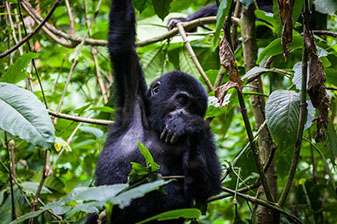
Discover Africa’s most untouched safari destination, Kidepo Valley National Park, encounter extraordinary wildlife, explore breathtaking landscapes, and experience authentic cultural traditions with Book Gorilla Treks.
Kidepo Valley National Park – Uganda’s Untamed Safari Paradise
Hidden in the remote northeastern corner of Uganda lies one of Africa’s greatest wilderness treasures. Kidepo Valley National Park is a destination where vast golden savannahs stretch endlessly toward rugged mountain ranges, wildlife roams freely across untouched landscapes, and authentic African wilderness still exists in its purest form. Far removed from crowded safari circuits, Kidepo offers travellers an exclusive opportunity to experience nature exactly as it has existed for centuries.
Recognized as one of Africa’s finest national parks, Kidepo Valley National Park combines spectacular scenery with remarkable biodiversity, creating unforgettable safari experiences for adventurous travellers seeking something truly extraordinary. Every sunrise illuminates endless plains filled with grazing wildlife, while dramatic mountain backdrops provide one of the continent’s most breathtaking safari landscapes.
Unlike many popular safari destinations that receive thousands of visitors each year, Kidepo remains wonderfully secluded. Its remote location preserves an atmosphere of genuine wilderness where every game drive feels personal, every wildlife encounter feels intimate, and every moment creates lasting memories. Visitors often spend hours exploring the park without encountering another safari vehicle, allowing them to connect deeply with nature in complete tranquillity.
Whether you dream of photographing lions against spectacular mountain scenery, observing massive buffalo herds crossing the plains, watching cheetahs scan the savannah for prey, discovering rare bird species, or meeting the proud Karamojong people, Kidepo Valley National Park promises one of East Africa’s most authentic safari adventures.
For travellers searching for an exclusive Uganda safari, Kidepo Valley National Park delivers an experience unlike any other.
Why Visit Kidepo Valley National Park?
Every national park possesses unique qualities, but few combine dramatic scenery, extraordinary wildlife, rich cultural heritage, and genuine solitude as successfully as Kidepo Valley National Park.
Covering approximately 1,442 square kilometres, the park protects one of Uganda’s most diverse ecosystems. Rolling savannah grasslands blend seamlessly with rocky outcrops, seasonal rivers, acacia woodlands, Borassus palm forests, and rugged mountain ranges that define the eastern edge of the Great Rift Valley. These varied habitats support an impressive concentration of wildlife rarely found elsewhere in Uganda.
Visitors enjoy exceptional game drives, guided nature walks, mountain hiking, birdwatching, cultural visits, photography expeditions, and luxury fly-in safaris while experiencing a destination that remains remarkably untouched by mass tourism.
Kidepo also protects several wildlife species that occur nowhere else in Uganda, making it an essential destination for wildlife enthusiasts, photographers, conservation travellers, and experienced safari visitors looking to explore beyond traditional safari routes.
The park’s extraordinary combination of wilderness, biodiversity, and authentic cultural encounters consistently earns international recognition as one of Africa’s finest safari destinations.
A Remarkable Conservation History
The landscapes surrounding Kidepo Valley have supported wildlife and indigenous communities for thousands of years. Long before modern conservation began, pastoral communities lived alongside elephants, buffaloes, lions, antelopes, and countless other species that migrated freely across the region.
Recognizing the area’s exceptional ecological importance, the British colonial administration first designated Kidepo as a game reserve in 1958. Authorities later upgraded the protected area to Kidepo Valley National Park in 1962, the same year Uganda gained independence. This decision safeguarded one of East Africa’s most pristine wilderness landscapes while protecting critical habitats for numerous wildlife species.
Although political instability affected tourism throughout Uganda during the 1970s and 1980s, Kidepo’s remote location helped preserve much of its ecological integrity. Since the establishment of the Uganda Wildlife Authority, conservation programmes, improved security, scientific research, and responsible tourism have contributed to steady wildlife recovery and growing international recognition.
Today, Kidepo Valley National Park represents one of Uganda’s greatest conservation success stories. Wildlife populations continue to flourish, sustainable tourism supports neighbouring communities, and ongoing conservation initiatives ensure that future generations will inherit this extraordinary wilderness.
Location and Geography
Kidepo Valley National Park occupies Uganda’s remote northeastern frontier within the Karamoja Sub-region, bordering South Sudan to the north and lying close to the frontier with Kenya. This isolated location contributes significantly to the park’s unique character and exceptional biodiversity.
Situated approximately 700 kilometres from Kampala, Kidepo offers visitors a completely different perspective of Uganda. Instead of dense forests and fertile agricultural landscapes, travellers discover wide-open plains framed by dramatic mountain ranges that create one of Africa’s most spectacular safari settings.
The park sits within the Albertine Rift ecosystem while displaying ecological characteristics more commonly associated with Kenya and northern Tanzania. Its semi-arid climate, expansive grasslands, rocky kopjes, and scattered acacia woodlands resemble the great savannah ecosystems of East Africa, making Kidepo unlike any other Ugandan national park.
Several seasonal rivers cross the park, including the Narus River and the Kidepo River, creating vital wildlife corridors that sustain animals throughout the year. During the dry season, permanent pools along the Narus Valley attract remarkable concentrations of elephants, buffalo, predators, and numerous bird species.
The surrounding mountain ranges, including the Morungole Mountains, provide dramatic scenery while supporting unique vegetation and important cultural traditions maintained by the Ik people.
Landscapes Unlike Anywhere Else in Uganda
Few protected areas display landscapes as diverse and visually spectacular as Kidepo Valley National Park.
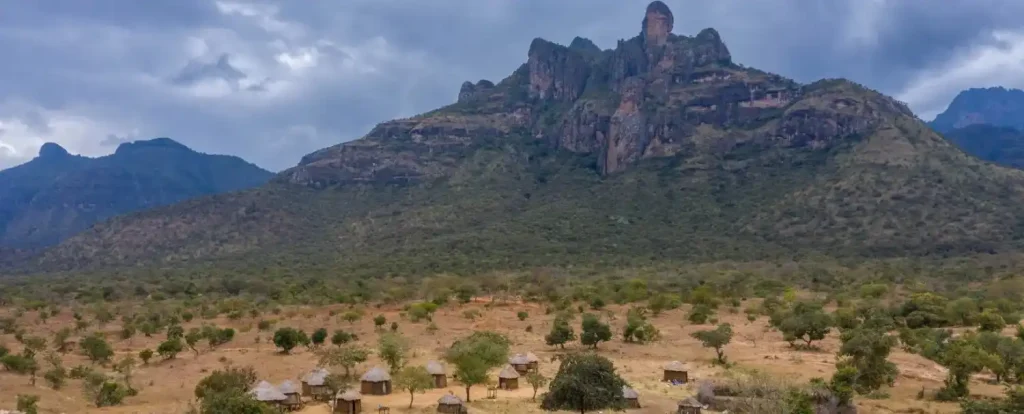
Golden savannah grasslands stretch endlessly toward distant mountain peaks, interrupted only by towering Borassus palms, rocky granite outcrops, and winding seasonal riverbeds. During the rainy season, fresh green vegetation transforms the plains into a vibrant wildlife habitat, while the dry season reveals endless golden landscapes beneath brilliant blue skies.
The Narus Valley forms the ecological heart of the park. Permanent water sources attract wildlife throughout the year, creating exceptional opportunities for game viewing. Vast open plains allow visitors to observe predators and prey interacting naturally against magnificent mountain backdrops.
In contrast, the remote Kidepo Valley offers a more rugged wilderness characterized by broad sandy riverbeds lined with Borassus palms and dramatic views toward South Sudan. During the wet season, seasonal rivers briefly flow across the valley before gradually drying, leaving isolated pools that support wildlife through the changing seasons.
The combination of open plains, river valleys, rocky hills, forests, wetlands, and mountain slopes creates extraordinary ecological diversity that supports one of Uganda’s richest wildlife communities.
Climate and Seasons
Kidepo Valley National Park experiences a warm semi-arid climate that differs considerably from much of Uganda.
The dry season typically extends from September to March, creating ideal conditions for wildlife viewing as animals gather around permanent water sources in the Narus Valley. Clear skies, warm temperatures, and open vegetation provide excellent opportunities for photography and extended game drives.
The rainy season generally occurs between April and August, bringing fresh vegetation that transforms the landscape into lush green grasslands. Migratory birds arrive in impressive numbers, antelope populations flourish, and dramatic cloud formations create spectacular scenery for photographers.
Regardless of the season, Kidepo remains a rewarding safari destination because wildlife continues to thrive across its diverse habitats throughout the year.
Uganda’s Most Authentic Wilderness
Kidepo Valley National Park stands apart because it remains genuinely wild. Visitors experience a level of solitude that has become increasingly rare across Africa’s famous safari destinations.
Long game drives often unfold without encountering another vehicle. Wildlife behaves naturally within undisturbed habitats, allowing photographers and nature enthusiasts to observe authentic animal behaviour without crowds or excessive human activity.
Every journey through Kidepo reveals a landscape shaped by nature rather than tourism. Towering mountains dominate the horizon, seasonal rivers wind through endless plains, and wildlife moves freely across one of East Africa’s last great wildernesses.
For travellers seeking an exclusive safari far from conventional tourist routes, few destinations compare with Kidepo Valley National Park.
Begin Your Kidepo Adventure with Book Gorilla Treks
Kidepo Valley National Park rewards travellers who venture beyond the ordinary. Its extraordinary wildlife, spectacular scenery, and remarkable sense of isolation create safari experiences that few destinations can equal.
At Book Gorilla Treks, we design personalized journeys that allow you to experience Kidepo’s untamed beauty through expertly planned itineraries, comfortable accommodation, professional driver-guides, and authentic cultural experiences.
👉 Enquire About a Kidepo Valley National Park Safari
Wildlife in Kidepo Valley National Park – Uganda’s Greatest Safari Experience
Kidepo Valley National Park offers one of the most rewarding wildlife experiences anywhere in East Africa. Its vast wilderness, permanent water sources, and diverse habitats support an exceptional concentration of mammals, birds, reptiles, and predators that thrive far from the busy safari routes found elsewhere on the continent. Every game drive introduces visitors to an extraordinary variety of wildlife while preserving the rare feeling of exploring an untouched African wilderness.
More than 77 recorded mammal species inhabit Kidepo Valley National Park, including several animals that occur nowhere else in Uganda. This remarkable diversity makes Kidepo one of the country’s most important wildlife conservation areas and a dream destination for safari enthusiasts, photographers, and nature lovers seeking authentic encounters with Africa’s iconic animals.
Unlike many parks where wildlife viewing centres around one or two flagship species, Kidepo rewards visitors with an incredible variety of wildlife throughout every safari. Large herbivores roam the open plains, predators patrol the grasslands, primates inhabit forested areas, and more than 475 bird species complete one of Uganda’s richest ecosystems.
Every safari becomes a journey through one of Africa’s last truly wild landscapes.
The Narus Valley – The Heart of Wildlife Viewing
The Narus Valley serves as the ecological heart of Kidepo Valley National Park and provides some of the finest game viewing opportunities in Uganda. Permanent water sources attract wildlife throughout the year, creating extraordinary concentrations of animals within the valley’s open grasslands.
Early morning game drives through Narus Valley reward visitors with unforgettable sightings as wildlife becomes active before the day’s temperatures rise. Elephants move quietly across the plains, buffaloes graze in enormous herds, antelopes feed in the fresh morning light, while predators begin returning from their nighttime hunts.
Because water remains available even during the dry season, the Narus Valley consistently attracts remarkable numbers of animals, making it the park’s premier location for wildlife photography and safari game drives.
The open terrain also allows visitors to observe wildlife from considerable distances, creating excellent opportunities to study natural behaviour without disturbing the animals.
The Remote Kidepo Valley – A Journey into Untouched Africa
While Narus Valley supports the highest concentration of wildlife, the Kidepo Valley represents the park’s true wilderness.
Located in the northern section of the park near the South Sudan border, this vast landscape features broad seasonal riverbeds lined with towering Borassus palms, dramatic rocky hills, and endless open plains stretching toward distant mountains.
During the rainy season, the Kidepo River flows across the valley, sustaining wildlife before gradually drying into isolated pools during the dry months. The changing seasons transform the valley’s appearance while maintaining its spectacular beauty.
Visitors often encounter fewer safari vehicles here than anywhere else in Uganda, allowing them to experience genuine solitude within one of Africa’s least disturbed wilderness areas.
The Kidepo Valley offers breathtaking scenery that rivals many of East Africa’s most celebrated national parks while preserving an atmosphere of complete tranquillity.
Lions – Kings of Uganda’s Northern Savannah
Kidepo Valley National Park supports one of Uganda’s healthiest lion populations. The abundance of prey species, expansive hunting grounds, and minimal human disturbance create ideal conditions for these magnificent predators.
Visitors frequently observe lions resting beneath acacia trees during the heat of the day before becoming active during the cooler hours of early morning and late afternoon. Experienced safari guides carefully follow fresh tracks and monitor recent sightings, significantly improving opportunities to locate prides across the Narus Valley.
Watching lions interact naturally within Kidepo’s vast wilderness creates unforgettable safari moments. Cubs play beneath the watchful eyes of lionesses, dominant males patrol their territories, and entire prides work together during coordinated hunting expeditions across the grasslands.
Few places in Uganda provide such authentic lion viewing experiences.
Leopards – Masters of Stealth
Although naturally elusive, leopards inhabit many areas of Kidepo Valley National Park.
Experienced guides often search rocky outcrops, dense vegetation, and mature acacia trees where these solitary predators rest during daylight hours. Early morning and evening game drives offer the greatest chance of observing leopards as they patrol their territories or quietly stalk prey through the tall grass.
Every leopard sighting represents a remarkable reward for patience, expert guiding, and careful observation.
Cheetahs – Uganda’s Fastest Predator
One of Kidepo Valley National Park’s greatest distinctions is that it protects Uganda’s only viable cheetah population. These elegant cats thrive within the park’s open grasslands, where excellent visibility allows them to detect prey from considerable distances before launching their famous high-speed pursuits.
Spotting a cheetah ranks among the most memorable wildlife experiences in Uganda. Unlike lions, cheetahs hunt primarily during daylight, increasing visitors’ chances of witnessing remarkable hunting behaviour during morning game drives.
For many wildlife enthusiasts, observing cheetahs in Kidepo represents one of the defining highlights of a Uganda safari.
African Elephants – Giants of the Wilderness
Large elephant herds roam freely across Kidepo Valley National Park, travelling between grasslands, woodlands, river valleys, and seasonal wetlands in search of food and water.
Visitors frequently encounter breeding herds led by experienced matriarchs alongside impressive solitary bulls carrying magnificent tusks. During the dry season, elephants gather around permanent water sources within the Narus Valley, providing exceptional photographic opportunities.
Watching elephants interact socially, protect their calves, communicate through low-frequency sounds, and forage across the landscape offers one of Africa’s most inspiring wildlife experiences.
Cape Buffaloes – Massive Herds Across the Savannah
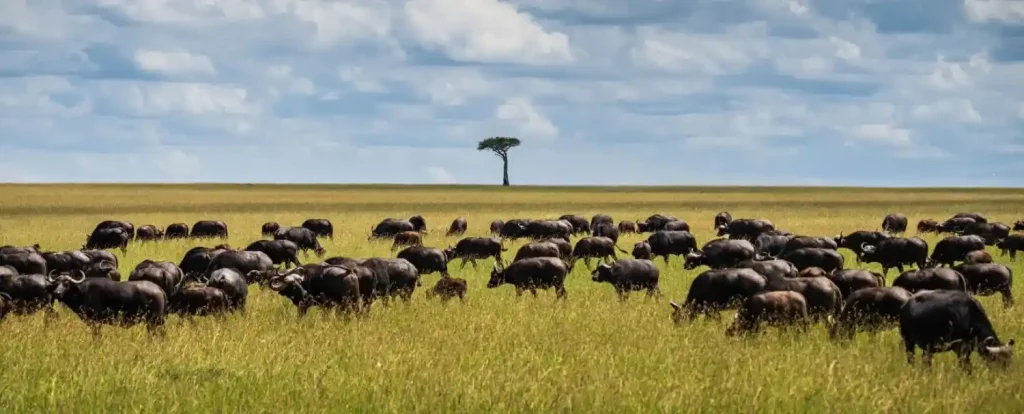
Kidepo Valley National Park supports enormous buffalo populations that rank among the largest in East Africa.
Visitors regularly observe herds numbering several hundred individuals moving together across the plains, often accompanied by cattle egrets feeding on insects disturbed by the grazing animals.
These impressive herds attract lions and other predators, creating fascinating predator-prey interactions that highlight the delicate ecological balance within the park.
Rothschild’s Giraffes – Graceful Icons of Kidepo
Towering above the surrounding acacia woodlands, the endangered Rothschild’s giraffe adds elegance to Kidepo’s spectacular landscapes.
Visitors frequently encounter these gentle giants browsing high among tree canopies while moving gracefully across the open savannah. Their striking patterns and calm behaviour make them favourite subjects for wildlife photographers.
The continued protection of Rothschild’s giraffes within Kidepo Valley National Park reflects Uganda’s ongoing commitment to conserving endangered wildlife.
Zebras and Other Grazing Mammals
Kidepo Valley National Park protects one of Uganda’s few populations of plains zebras, making the park particularly attractive for travellers hoping to experience East Africa’s classic savannah wildlife.
Visitors also regularly encounter Jackson’s hartebeest, Uganda kob, elands, bush duikers, Bohor reedbucks, bushbucks, waterbucks, oribis, and warthogs grazing peacefully across the plains.
These abundant herbivores provide essential food sources for lions, cheetahs, leopards, and spotted hyenas while maintaining the park’s ecological health.
Exceptional Game Drives
Game drives represent the highlight of every visit to Kidepo Valley National Park.
Professional safari guides lead visitors through Narus Valley, Kidepo Valley, Kanangorok Hot Springs, and surrounding wilderness areas while interpreting animal behaviour, identifying bird species, and sharing fascinating insights into the park’s ecology.
Morning game drives offer the highest wildlife activity, while afternoon excursions provide excellent opportunities to observe predators becoming active before sunset. Full-day safaris allow visitors to explore the park’s remote northern regions, where spectacular scenery combines with remarkable wildlife encounters.
Unlike many busier safari destinations, Kidepo offers peaceful game viewing with very few vehicles, allowing visitors to enjoy uninterrupted wildlife experiences in complete tranquillity.
A Photographer’s Dream Destination
Every landscape within Kidepo Valley National Park offers extraordinary photographic opportunities.
Golden sunrise light illuminates elephants crossing open plains, lions resting beneath acacia trees, giraffes silhouetted against distant mountains, and cheetahs scanning the savannah for prey.
The dramatic backdrop of the Morungole Mountains adds depth and scale to wildlife images, while the park’s open terrain provides unobstructed views rarely found elsewhere in East Africa.
Whether photographing iconic mammals, sweeping landscapes, colourful birds, or authentic cultural encounters, Kidepo consistently rewards photographers with unforgettable images.
Experience Uganda’s Finest Wilderness with Book Gorilla Treks
Every safari through Kidepo Valley National Park reveals something extraordinary. From the vast wildlife-rich plains of Narus Valley to the remote beauty of the Kidepo Valley, each day offers unforgettable encounters within one of Africa’s last untouched wildernesses.
At Book Gorilla Treks, we design personalized Kidepo safaris that combine expert local guides, carefully selected accommodation, comfortable transportation, and tailor-made itineraries to create exceptional travel experiences.
👉 Combine Kidepo with Murchison Falls, Queen Elizabeth, and Bwindi
Birdwatching in Kidepo Valley National Park – A Paradise for Africa’s Most Remarkable Birds
While Kidepo Valley National Park is celebrated for its spectacular wildlife and dramatic landscapes, it also ranks among Uganda’s finest birdwatching destinations. The park supports an extraordinary diversity of birdlife thanks to its unique combination of open savannah, acacia woodland, seasonal riverbeds, wetlands, rocky hills, and semi-arid habitats. These varied ecosystems attract both resident and migratory birds, making Kidepo an essential destination for dedicated birdwatchers and wildlife enthusiasts alike.
With more than 475 recorded bird species, Kidepo Valley National Park offers one of the richest birding experiences in East Africa. The park’s remote location and relatively low visitor numbers create peaceful conditions that allow birdwatchers to enjoy prolonged observations without the crowds often found in more frequently visited destinations. Whether you are an experienced birder pursuing a rare lifer or a first-time visitor eager to discover Africa’s colourful avian diversity, Kidepo rewards every excursion with remarkable sightings.
One of the park’s greatest distinctions is its collection of northeastern Uganda specialties. Several bird species found in Kidepo occur rarely or not at all in other parts of Uganda, making the park an indispensable stop for serious birding itineraries. This exceptional diversity has earned Kidepo an international reputation as one of the country’s premier birdwatching locations.
The Common Ostrich – Uganda’s Largest Bird
Among Kidepo’s most iconic attractions is the common ostrich, the largest living bird on Earth and a species found naturally in Uganda only within Kidepo Valley National Park. Encountering these magnificent birds roaming freely across the open plains ranks among the park’s most memorable wildlife experiences.
Male ostriches display striking black-and-white plumage that contrasts beautifully against Kidepo’s golden savannah, while females exhibit more subdued brown colouring that provides excellent camouflage. Their powerful legs enable them to run at speeds exceeding 70 kilometres per hour, making them the fastest birds on land.
Visitors frequently observe ostriches feeding across the grasslands of the Narus and Kidepo valleys, where they often share the landscape with zebras, giraffes, buffaloes, and antelopes. Watching these impressive birds stride confidently through the vast wilderness creates one of the defining images of a Kidepo safari.
For many travellers, seeing wild ostriches in Uganda represents a once-in-a-lifetime experience unavailable anywhere else in the country.
Rare Birds That Make Kidepo World Famous
Kidepo Valley National Park attracts birdwatchers from around the world because it protects numerous species associated with the semi-arid landscapes of northeastern Africa. These birds distinguish the park from every other protected area in Uganda and contribute significantly to its international birding reputation.
Among the park’s most sought-after species is the Karamoja apalis, a bird largely restricted to the Karamoja region. Birdwatchers also search for species such as the Fox’s weaver, black-breasted barbet, white-crested turaco, yellow-billed shrike, rose-ringed parakeet, steel-blue whydah, and purple grenadier, each adding unique colour and character to Kidepo’s avifauna.
The park’s raptors also command attention. Martial eagles soar above the plains, bateleurs glide gracefully on rising thermals, and African hawk-eagles patrol the skies in search of prey. Along seasonal rivers and wetlands, visitors may encounter saddle-billed storks, secretary birds, Abyssinian ground hornbills, kori bustards, and various species of herons, egrets, and kingfishers.
Because different habitats support different bird communities, every game drive and guided walk presents opportunities to discover new species throughout the day.
Birdwatching Throughout the Seasons
Birdwatching remains rewarding in Kidepo Valley National Park throughout the year, although each season offers distinct advantages.
During the dry months, birds congregate around permanent water sources, making them easier to locate. Clear skies and shorter vegetation provide excellent visibility, allowing birdwatchers to observe both resident species and birds of prey with remarkable clarity.
The rainy season transforms Kidepo into a lush green landscape and welcomes numerous migratory birds from Europe and other parts of Africa. Fresh vegetation, flowering plants, and abundant insect life create ideal feeding conditions that increase bird activity across the park. This period also marks the breeding season for many resident species, offering opportunities to observe courtship displays, nest building, and juvenile birds.
Whether travelling during the dry or wet season, visitors enjoy exceptional birdwatching experiences that complement the park’s outstanding wildlife safaris.
Guided Birding Excursions
Professional birding guides enhance every excursion by identifying species through their calls, behaviour, habitats, and flight patterns. Their local knowledge enables visitors to locate elusive birds that might otherwise remain hidden within dense vegetation or distant woodlands.
Early morning birding excursions prove particularly rewarding as birds become highly active shortly after sunrise. The cool temperatures encourage feeding, singing, and territorial displays, allowing photographers and bird enthusiasts to capture memorable observations under beautiful natural light.
Book Gorilla Treks arranges specialized birdwatching safaris tailored to individual interests, whether guests seek a relaxed introduction to Uganda’s birdlife or an intensive expedition focused on locating regional specialties and life-list species.
Guided Nature Walks – Discover Kidepo Beyond the Safari Vehicle
Although game drives remain the most popular activity in Kidepo Valley National Park, guided nature walks offer a completely different perspective of this remarkable wilderness. Exploring the park on foot allows visitors to appreciate the finer details of the ecosystem while developing a deeper understanding of its plants, wildlife, geology, and natural history.
Experienced Uganda Wildlife Authority rangers lead these walks through carefully selected areas where visitors can safely observe animal tracks, identify native plants, examine insects, and learn how different species interact within the environment. Walking through the African bush heightens every sense as birds call from nearby trees, gentle breezes move through the grasslands, and fresh wildlife tracks reveal the movements of animals that passed only hours earlier.
Nature walks often introduce visitors to aspects of the ecosystem that remain unnoticed during vehicle safaris. Rangers explain traditional medicinal plants, demonstrate how wildlife uses different habitats, interpret animal footprints, and reveal fascinating ecological relationships that sustain Kidepo’s extraordinary biodiversity.
Many walks also provide excellent opportunities for photography, particularly of landscapes, smaller mammals, reptiles, butterflies, flowering plants, and birdlife that can be difficult to appreciate from a vehicle.
Unlike fast-paced game drives, guided walks encourage visitors to slow down, observe carefully, and experience Kidepo Valley National Park through a deeper connection with nature.
Experience Kidepo’s Natural Wonders with Book Gorilla Treks
Birdwatching and guided nature walks reveal a quieter, more intimate side of Kidepo Valley National Park. Together they complement traditional game drives, creating a richer safari experience that appeals to photographers, conservation enthusiasts, families, birdwatchers, and travellers seeking meaningful encounters with Uganda’s remarkable wilderness.
At Book Gorilla Treks, we carefully design personalized itineraries that combine birdwatching, walking safaris, wildlife game drives, and cultural experiences, ensuring every traveller enjoys a well-balanced and unforgettable journey.
👉 Speak to our Safari Specialist
Mount Morungole – Conquer Kidepo’s Most Spectacular Mountain
Rising majestically to approximately 2,749 metres above sea level, Mount Morungole dominates the eastern skyline of Kidepo Valley National Park and creates one of the most dramatic landscapes in northeastern Uganda. The mountain forms part of the rugged mountain chain that separates the park from neighbouring communities and has served as a natural sanctuary for centuries. Its towering slopes, dense vegetation, cool highland climate, and panoramic viewpoints make it one of Uganda’s most rewarding hiking destinations.
Unlike traditional mountain hikes that focus solely on reaching the summit, a trek up Mount Morungole combines breathtaking scenery, remarkable biodiversity, and meaningful cultural encounters into a single unforgettable experience. Every stage of the climb reveals changing ecosystems, from open grasslands and scattered acacia trees at the base to lush montane vegetation higher on the mountain. As elevation increases, hikers enjoy increasingly spectacular views across the vast plains of Kidepo Valley National Park, stretching far into South Sudan and Kenya on clear days.
The hike requires a good level of physical fitness because the trails become steeper as they approach the upper slopes. Experienced local guides accompany every trek, sharing fascinating information about the mountain’s ecology, wildlife, medicinal plants, and cultural significance. Along the route, visitors frequently encounter colourful butterflies, reptiles, forest birds, and small mammals that inhabit the cooler mountain environment.
For adventurous travellers seeking experiences beyond traditional game drives, Mount Morungole offers one of Uganda’s most unique wilderness adventures.
The Ik People – Guardians of Uganda’s Most Remote Highlands
Hidden among the upper slopes of Mount Morungole lives one of Africa’s most fascinating indigenous communities. The Ik people, one of Uganda’s smallest ethnic groups, have maintained their unique cultural identity for generations despite living in one of the country’s most isolated mountain environments.
The Ik traditionally occupied areas near the Uganda–Kenya border before historical changes gradually encouraged settlement on Mount Morungole. Today, their villages remain scattered across the mountain’s steep slopes, where families continue to preserve customs, language, and traditions passed down through countless generations.
Visiting the Ik community offers travellers a rare opportunity to experience authentic cultural heritage that remains largely untouched by modern development. Guided cultural visits introduce guests to traditional homesteads, local farming methods, indigenous knowledge, music, storytelling, and daily life within this remarkable mountain community.
The Ik language differs significantly from those spoken by neighbouring communities, reflecting the group’s unique cultural history. Visitors also discover how the community has adapted to the challenging mountain environment through sustainable farming practices, careful use of natural resources, and strong family traditions.
Respectful cultural tourism plays an increasingly important role in supporting education, healthcare, and sustainable livelihood projects while helping preserve the Ik people’s extraordinary heritage. Every visit contributes to community development through locally guided experiences that encourage cultural preservation and responsible tourism.
For many visitors, meeting the Ik people becomes one of the most meaningful and memorable highlights of their journey through Kidepo Valley National Park.
The Karamojong People – Discover Uganda’s Living Pastoral Heritage
No visit to Kidepo Valley National Park feels complete without experiencing the rich traditions of the Karamojong, the indigenous pastoral community whose history has shaped the landscapes surrounding the park for centuries.
The Karamojong are renowned for their deep cultural connection to cattle, which represent not only economic wealth but also social status, family identity, and spiritual significance. Their traditional lifestyle revolves around seasonal livestock movements, communal living, and customs that continue to define daily life across the Karamoja region.
Visitors enjoy authentic cultural experiences through guided visits to traditional manyattas, the distinctive homesteads constructed using locally available materials. Within these welcoming communities, local guides explain traditional architecture, family organization, livestock management, food preparation, and the customs that have sustained the Karamojong for generations.
One of the highlights of every cultural visit is the opportunity to witness energetic traditional dances accompanied by rhythmic singing, drumming, and colourful ceremonial attire. These performances celebrate important milestones, honour community traditions, and warmly welcome visitors to Karamoja.
Guests can also observe skilled artisans creating handcrafted jewellery, wooden carvings, leatherwork, baskets, and decorative beadwork. Purchasing these locally produced crafts directly supports community livelihoods while preserving valuable artistic traditions passed from one generation to the next.
Beyond cultural performances, visitors gain a deeper appreciation of how conservation and community development increasingly work together. Responsible tourism has created employment opportunities, improved access to education, strengthened women’s groups, and encouraged sustainable enterprises that reduce pressure on natural resources while improving household incomes.
These authentic cultural encounters remind travellers that Uganda’s greatest treasures include not only its remarkable wildlife but also the diverse communities whose traditions enrich every safari experience.

A Safari That Connects Nature and Culture
Kidepo Valley National Park offers something increasingly rare in modern travel: the opportunity to experience untouched wilderness alongside living cultural traditions that remain vibrant and authentic. A morning spent tracking wildlife across the Narus Valley can naturally lead to an afternoon learning about pastoral life in a Karamojong manyatta or hiking to an Ik village on the slopes of Mount Morungole.
This seamless connection between nature and culture transforms a safari into a deeper journey of discovery. Visitors return home not only with unforgettable wildlife photographs but also with meaningful stories of resilience, tradition, hospitality, and conservation.
At Book Gorilla Treks, we believe the most rewarding safaris combine exceptional wildlife experiences with genuine cultural understanding. Our tailor-made itineraries introduce travellers to the landscapes, wildlife, and people that make Kidepo Valley National Park one of Africa’s most extraordinary destinations.
👉 Explore Kidepo Valley National Park with Expert Local Guides
👉 Include Mount Morungole and Cultural Experiences in Your Safari
Best Time to Visit Kidepo Valley National Park
Kidepo Valley National Park is a year-round safari destination, offering unforgettable wildlife encounters, spectacular landscapes, and authentic wilderness experiences throughout the seasons. Because the park lies within Uganda’s semi-arid northeastern region, its climate differs from that of many other Ugandan destinations, creating unique safari conditions throughout the year.
The most popular time to visit Kidepo Valley National Park is during the dry seasons, which generally occur from December to February and June to September. During these months, rainfall is limited, vegetation becomes shorter, and wildlife gathers around permanent water sources, especially within the Narus Valley. These conditions create some of the best opportunities for game viewing, photography, and long safari drives across the park.
During the dry season, elephants, buffaloes, giraffes, lions, antelopes, and other wildlife frequently concentrate around remaining water sources. The open landscapes make animals easier to locate, while clear skies provide excellent conditions for photography and scenic views of the surrounding mountains.
The wet season, usually occurring between March and May and again from October to November, transforms Kidepo into a beautifully green wilderness. Seasonal rivers begin flowing, grasslands regenerate, and the park becomes filled with fresh vegetation. This period provides excellent opportunities for birdwatching as migratory species arrive and many resident birds enter their breeding season.
The rainy season also offers advantages for travellers seeking a quieter safari experience. Visitor numbers are lower, accommodation availability is often better, and photographers can capture dramatic landscapes featuring green plains, colourful sunsets, and powerful African skies.
Ultimately, the best time to visit Kidepo depends on your personal interests. Wildlife enthusiasts often prefer the dry season, while photographers, birdwatchers, and travellers seeking solitude may find the green season equally rewarding.
How to Get to Kidepo Valley National Park
Kidepo Valley National Park is located in northeastern Uganda, approximately 700 kilometres from Kampala, making it one of the country’s most remote safari destinations. However, this isolation is also what protects its untouched wilderness character and creates the feeling of discovering a truly hidden African paradise.
Travellers can reach Kidepo by road or by air, depending on their preferred travel style.
Road Travel to Kidepo Valley National Park
A road safari to Kidepo offers a remarkable opportunity to discover Uganda beyond the traditional tourist routes. The journey passes through changing landscapes, rural communities, agricultural areas, and the dramatic scenery of the Karamoja region.
The drive from Kampala usually takes between 10 and 12 hours, depending on road conditions, stops, and the chosen route. Although the journey is long, many travellers consider it part of the adventure because it reveals a side of Uganda that few visitors experience.
Popular routes include travelling through:
- Kampala
- Jinja
- Mbale
- Soroti
- Moroto
- Kidepo Valley National Park
The journey through Karamoja provides opportunities to experience local communities, traditional lifestyles, and landscapes that become increasingly wild as visitors approach the park.
Flying to Kidepo Valley National Park
For travellers seeking comfort and efficiency, flying is the fastest way to reach Kidepo. Scheduled and charter flights connect visitors from Entebbe International Airport or Kajjansi Airfield to nearby airstrips close to the park.
A fly-in safari significantly reduces travel time, allowing guests to maximize their time enjoying wildlife experiences rather than spending long hours on the road.
Book Gorilla Treks arranges both road and fly-in Kidepo safari packages, helping travellers choose the option that best matches their schedule, comfort level, and budget.
Accommodation in Kidepo Valley National Park
Kidepo Valley National Park offers a carefully selected range of accommodation options, allowing visitors to experience the wilderness in comfort while maintaining a close connection with nature.
From luxury safari lodges overlooking dramatic landscapes to intimate tented camps beneath African skies, accommodation in Kidepo provides unforgettable experiences for honeymoon travellers, photographers, families, and adventure seekers.
Luxury Kidepo Safari Lodges
Luxury accommodation in Kidepo combines exceptional hospitality with spectacular wilderness settings. Guests enjoy spacious rooms, private verandas, fine dining, personalized service, and breathtaking views of the surrounding savannah and mountains.
Many luxury lodges focus on sustainability, using environmentally responsible practices while supporting local communities and conservation initiatives.
These properties provide the perfect setting for travellers seeking an exclusive Uganda safari experience with comfort, privacy, and exceptional service.
Mid-Range Safari Camps
Mid-range camps provide excellent value while maintaining comfort and an authentic safari atmosphere. Guests enjoy comfortable rooms or safari tents, delicious meals, friendly service, and convenient access to major wildlife areas.
These accommodations are ideal for travellers who want a genuine wilderness experience without compromising essential comfort.
Budget-Friendly Accommodation
Budget safari options allow adventurous travellers to explore Kidepo Valley National Park while keeping costs manageable. These camps provide simple but comfortable facilities, welcoming hospitality, and excellent access to the park’s incredible attractions.
Regardless of budget, every visitor has the opportunity to experience the magic of Kidepo.
Conservation and Responsible Tourism in Kidepo Valley National Park
Kidepo Valley National Park represents one of Uganda’s most important conservation landscapes. Protecting its wildlife, habitats, and cultural heritage requires cooperation between conservation organizations, government agencies, local communities, and responsible travellers.
The Uganda Wildlife Authority manages the park through wildlife monitoring, anti-poaching programmes, habitat protection, and conservation education initiatives. These efforts safeguard important species, including lions, elephants, cheetahs, giraffes, buffaloes, ostriches, and numerous bird species.
Tourism plays a vital role in conservation by generating revenue that supports wildlife protection and creates employment opportunities for surrounding communities. Safari guides, lodge staff, drivers, artisans, and cultural performers all benefit from responsible tourism activities.
Community involvement remains essential because conservation succeeds when local people see direct benefits from protecting wildlife and natural resources.
By choosing responsible safari operators, respecting wildlife rules, supporting local businesses, and minimizing environmental impact, travellers contribute to the long-term survival of Kidepo Valley National Park.
Suggested Kidepo Valley National Park Safari Itineraries
3-Day Kidepo Valley National Park Safari
A three-day Kidepo safari is ideal for travellers with limited time who want to experience Uganda’s most remote wilderness.
Typical highlights include:
- Scenic transfer or flight to Kidepo
- Morning and afternoon game drives
- Wildlife viewing in Narus Valley
- Lion, elephant, buffalo, and giraffe sightings
- Sunset experiences
- Cultural community visits
4-Day Kidepo Wildlife and Culture Safari
A four-day itinerary allows deeper exploration of the park.
Highlights include:
- Multiple game drives
- Kidepo Valley exploration
- Narus Valley wildlife viewing
- Karamojong cultural experience
- Birdwatching
- Nature walks
5-Day Luxury Kidepo Safari
A five-day premium safari provides enough time to explore slowly and enjoy the destination fully.
Experience:
- Luxury lodge accommodation
- Private safari vehicle
- Expert wildlife guiding
- Photography opportunities
- Cultural experiences
- Relaxed wilderness exploration
Frequently Asked Questions About Kidepo Valley National Park
Is Kidepo Valley National Park worth visiting?
Yes. Kidepo is one of Uganda’s most rewarding safari destinations because it offers exceptional wildlife viewing, dramatic landscapes, cultural experiences, and a rare sense of wilderness.
What animals can I see in Kidepo?
Visitors can see lions, elephants, buffaloes, cheetahs, leopards, giraffes, zebras, ostriches, antelopes, hyenas, and many other species.
Is Kidepo suitable for luxury safaris?
Yes. Kidepo offers excellent luxury safari experiences with high-quality lodges, private vehicles, personalized guiding, and fly-in options.
Can I combine Kidepo with gorilla trekking?
Yes. Many travellers combine Kidepo with gorilla trekking in Bwindi Impenetrable National Park to create one of Africa’s most complete wildlife adventures.
How many days should I spend in Kidepo?
A minimum of three days is recommended, although four to five days allows travellers to explore the park more deeply and enjoy cultural experiences.
Book Your Kidepo Valley National Park Safari with Book Gorilla Treks
Kidepo Valley National Park is more than a safari destination. It is a journey into one of Africa’s last untouched wilderness areas, where dramatic landscapes, extraordinary wildlife, and ancient cultures combine to create unforgettable memories.
From watching lions roam across endless savannahs to meeting the welcoming communities of Karamoja, every moment in Kidepo tells a story of nature, resilience, and conservation.
At Book Gorilla Treks, we create tailor-made Uganda safari experiences designed around your dreams, interests, and travel style. Our local expertise ensures every detail is carefully planned, from accommodation and transportation to wildlife activities and cultural encounters.
👉 Request Your Free Uganda Safari Quote
Your journey into Uganda’s last true wilderness begins with Book Gorilla Treks.